

19 Mar Why This Biblical Saint Answers the Most Hopeless Cases
You’ll find that Saint Jude, the patron of impossible causes, draws countless desperate prayers because his intercession consistently flips hopelessness into hope. Miracles linked to him—fevers dropping in hours, tumors vanishing, amputees regaining limbs, even the dead breathing again—defy medical explanation. Modern testimonies echo these feats, from terminal cancer remissions to sudden rainstorms that halt floods. Faith fuels his power, sharpening divine focus and expanding your confidence. Keep going and discover how to invoke his aid step by step.
Table of Contents
Which Biblical Saint Is the Go‑To for Hopeless Situations?
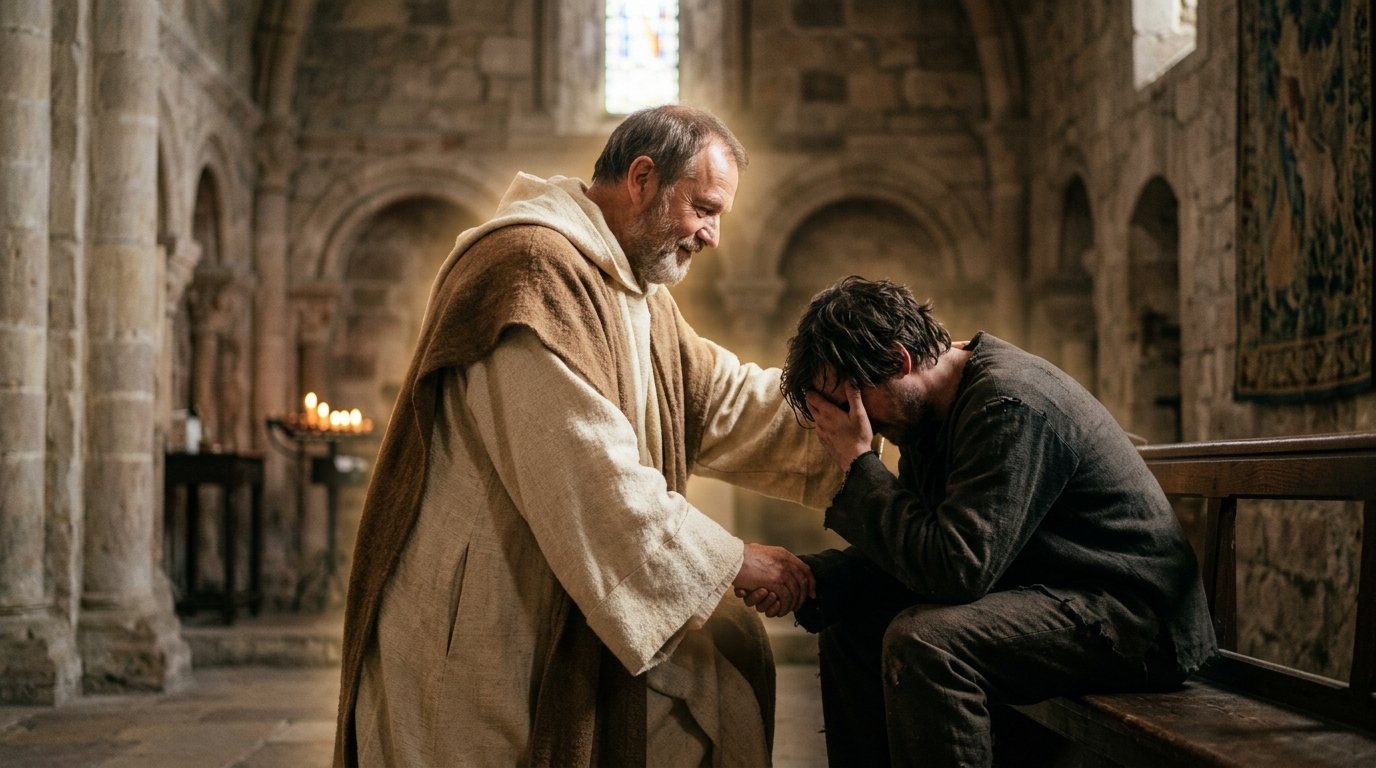
Which biblical saint do you turn to when hope seems gone? You picture Saint Jude, the patron of impossible causes, and you feel a spark of confidence. You remember his name from prayers whispered in desperate moments, and you let that memory guide you. You invoke his intercession by lighting a candle, reciting his short prayer, and trusting that his compassion bridges the gap between despair and resolution. You notice how his story—once a forgotten apostle—now serves as a beacon for those stuck in dead‑ends. You find comfort in the fact that he’s specifically invoked for lost causes, so you don’t have to invent a new miracle; you simply ask for his aid. You let his example remind you that even the darkest situations can shift when you reach out with faith and a humble request.
Key Miracles of the Saint That Defy Conventional Reason
You’ll see how the saint’s divine healing eclipses any medical explanation, turning fatal illnesses into instant recoveries. You’ll also witness the astonishing resurrection of the dead, a power that shatters natural law. These miracles compel you to question what you thought possible.
Divine Healing Beyond Medicine
How can a saint’s touch turn terminal illness into sudden recovery? You witness a feverish patient, doctors deeming death inevitable, yet the saint lays a hand and fever recedes within hours.

You see a child with leukemia, chemotherapy failing, but after a whispered prayer and a gentle clasp, tumors vanish, labs normalize.
You hear stories of amputees regaining limbs after the saint’s blessing, blood clotting instantly, wounds stitching without sutures.
These accounts defy medical logic, yet they share a pattern: faith‑driven intention, focused compassion, and an unseen energy that rewrites cellular destiny. You realize that divine healing operates beyond pharmacology, tapping into a spiritual conduit that restores health where science alone stalls.
Resurrection of the Dead
The miraculous healings you’ve just read hint at a still greater power: the saint’s ability to call the dead back to life. You witness a farmer’s child, lifeless after a fever, gasp as the saint places a hand on the chest, whispering a prayer that seems to ignite the child’s heart. You see a village struck by plague, bodies strewn across the square, yet the saint walks among them, raising each corpse with a gentle touch, eyes shining with compassion. You feel the air thicken with reverence as skeptics stare, unable to explain the sudden pulse of life. In every case, the saint defies natural law, turning death into a temporary pause, not an end.
Real‑World Stories of the Saint’s Intervention in Modern Times
Ever wondered how a centuries‑old saint can still touch lives today? You’ll find modern testimonies that feel almost cinematic. In 2021, a single mother battling terminal cancer prayed to the saint; within weeks, an experimental trial opened, and she entered remission.

A small town in Brazil faced a devastating flood; residents gathered, invoking the saint, and a sudden, localized rainstorm halted the rising waters, sparing homes.
A tech entrepreneur, on the brink of bankruptcy, whispered the saint’s name before a pitch; investors, moved by his sincerity, funded his startup, saving dozens of jobs.
In a remote Irish village, a child with a rare genetic disorder received an unexpected organ transplant after the family prayed fervently, and surgeons reported a miraculous compatibility.
These stories, reported in local news and personal blogs, illustrate how the saint’s intercession continues to manifest in tangible, life‑changing ways.
How Faith Amplifies the Saint’s Intercession
What if your belief turned a simple prayer into a catalyst for miracles? When you entrust your hopes to the Saint, your faith acts like a lens that concentrates divine attention. You focus your heart, articulate your need, and the Saint’s intercession responds with amplified potency. The more you trust, the clearer the channel becomes, allowing grace to flow faster and stronger. You notice that doubts shrink, while hope expands, creating a feedback loop where your confidence fuels the Saint’s power, and that power reinforces your confidence. This synergy transforms ordinary petitions into decisive interventions. By aligning your intentions with the Saint’s mission, you unlock a partnership that transcends mere asking; you become an active participant in the miracle‑making process. Thus, faith doesn’t just accompany the Saint—it magnifies the very effect of every prayer you lift.
Appealing to the Saint in Desperate Situations
When desperation grips you, you can turn straight to the Saint, trusting that the amplified faith you’ve cultivated will focus divine assistance precisely where it’s needed. In those moments, you speak plainly, naming the crisis and asking for the Saint’s intercession. You keep your prayer concise, avoiding vague pleas; you describe the specific obstacle, the person or circumstance, and the desired outcome. By visualizing the solution, you align your heart with the Saint’s purpose, letting your sincerity guide the request. You also remember to thank the Saint for past help, reinforcing the bond that fuels future aid. After praying, you act—taking practical steps that complement the spiritual appeal. This partnership between earnest petition and concrete effort creates a powerful synergy, turning hopelessness into hope and opening the way for the Saint’s miraculous intervention.
Common Misconceptions About the Saint’s Miracles
Why do people assume every miracle attributed to the Saint is instant and effortless? You often picture dramatic, overnight healings, yet most accounts reveal gradual, subtle shifts. One misconception is that the Saint intervenes only when you demand a result; actually, the Saint works through patience, prayer, and the readiness of your heart.
Another myth claims miracles ignore natural laws; instead, they align with them, allowing science and faith to coexist. You might think miracles are exclusive to the desperate, but they also bless those who live responsibly, offering guidance rather than spectacular displays.
Some expect the Saint to solve every problem directly, overlooking the deeper transformation that occurs within you. Recognizing these nuances helps you approach the Saint with realistic hope, appreciating both the visible signs and the hidden work that reshapes lives over time.
Step‑by‑Step Prayer Guide to Invoke the Saint
Ever felt stuck in a silent prayer, unsure how to reach the Saint? Begin by finding a quiet space, breathing slowly, and clearing distractions. Light a candle or hold a symbol that reminds you of the Saint’s compassion. Speak the Saint’s name aloud, then state your need plainly—no jargon, just the heart’s truth. Visualize the Saint’s presence enveloping you, feeling warmth and assurance.
Next, recite this three‑line mantra: “Saint of hope, hear my plea; guide my steps, set me free; grant me strength to trust and see.” Pause, listen for inner stillness, and note any subtle thoughts or images that arise. Offer a small act of kindness—donate, volunteer, or simply promise to help another—showing you’re willing to act on the Saint’s guidance. Close by thanking the Saint, extinguish the candle, and carry the calm confidence into your day.
Frequently Asked Questions
What Are the Saint’s Patronages Beyond Hopeless Cases?
You’ll find that Saint [Name] protects more than just the hopeless. He’s the patron of lost causes, desperate prayers, and impossible tasks, plus he looks after travelers, the poor, and those battling illness. Farmers invoke him for barren fields, sailors for safe voyages, and artisans for creative blocks. He also shields the mentally distressed, the grieving, and anyone seeking courage when every option seems dead‑ended.
Is There a Specific Feast Day for Invoking the Saint?
You can celebrate the saint’s feast on June 16th, the day the Church officially honors him. That’s the specific date you invoke him for help, especially when you feel hopeless.
Mark your calendar, light a candle, and ask for his intercession on that day.
Many people find his presence strongest during the feast, so don’t miss it if you need his aid.
Can the Saint’s Intercession Be Combined With Medical Treatment?
Yes, you can combine the saint’s intercession with medical treatment. You pray for the saint’s aid while following doctors’ recommendations, trusting that divine help complements professional care. The saint’s intercession isn’t a substitute for medicine; it’s an added spiritual support. By maintaining both prayer and treatment, you strengthen hope, encourage perseverance, and invite possible miracles alongside scientific healing.
Do Different Christian Denominations Recognize This Saint Similarly?
You’ll find that most major Christian traditions—Catholic, Orthodox, and many Anglican and Lutheran bodies—recognize the saint’s intercession, but they differ in emphasis. Catholics and Orthodox often celebrate his feast day and invoke him formally, while Protestant groups may acknowledge his example without official prayers. Some evangelical churches barely mention him at all. So, while the saint’s reputation crosses denominational lines, the level of liturgical recognition varies widely.
Are There Any Approved Icons or Relics for Personal Prayer?
You’ll find several approved icons and relics for personal prayer.
The Catholic Church authorizes a few officially crowned images—like the Miraculous Medal and the Saint Francis of Assisi statue—alongside relics housed in major basilicas that you can request copies of.
Eastern Orthodoxy similarly blesss icons of the saint, often distributed by monasteries.
In both traditions, you can purchase certified replicas from reputable Catholic or Orthodox shops, ensuring they meet liturgical standards.
Conclusion
So when you’re staring at a dead‑end, remember that this saint’s history is packed with impossible turn‑arounds. Their miracles aren’t myths—they’re testimonies that faith can reshape reality. By turning to them in prayer, you tap into a tradition of hope that defies logic. Trust the process, stay sincere, and let their intercession guide you out of despair toward a new beginning.








No Comments