


12 Jan The Biblical Prayer Method That’s Going Viral Among Young Christians
ACTS prayer—Adoration, Confession, Thanksgiving, Supplication—is transforming how Gen Z approaches God. This biblical framework isn’t new; it’s rooted in Scripture from Jesus’ model prayer to David’s psalms. Young Christians are trading scattered prayers for this intentional structure that combats digital chaos and deepens intimacy with God. You’ll start with five minutes daily, spending one minute on each element. This method creates focused, balanced communication that aligns with Philippians 4:6’s guidance for presenting requests to God with thanksgiving. Discover how this ancient practice is revolutionizing modern prayer lives.
Table of Contents
Key Takeaways
- ACTS prayer (Adoration, Confession, Thanksgiving, Supplication) provides a biblical framework for structured, comprehensive communication with God.
- Digital-native Gen Z Christians prefer structured spirituality to combat digital chaos and bring intentionality to their prayer lives.
- Young believers report reduced “spiritual ADD” and improved focus when using ACTS instead of scattered, unorganized prayer approaches.
- The method follows biblical precedents from Jesus’ Lord’s Prayer template and patterns found throughout Scripture’s greatest prayers.
- Starting with just five minutes daily and linking ACTS to existing habits creates sustainable prayer routines for busy young Christians.
What Is ACTS Prayer?

Have you ever struggled to know what to say when you pray? You’re not alone. ACTS prayer offers a powerful biblical framework that transforms scattered thoughts into focused, meaningful communication with God.
ACTS is an acronym representing four essential elements: Adoration, Confession, Thanksgiving, and Supplication. This definition overview reveals a structured approach that guides believers through comprehensive prayer.
ACTS prayer provides a biblical framework with four essential elements that guide believers toward structured, comprehensive communication with God.
The origins context traces back to biblical patterns found throughout Scripture.
Jesus demonstrated adoration in Matthew 6:9, “Our Father in heaven, hallowed be your name.”
David modeled confession in Psalm 51:4, acknowledging sin before God.
Paul exemplified thanksgiving in Philippians 1:3, expressing gratitude continually.
Christ showed supplication in Gethsemane, presenting requests to the Father.
This method isn’t rigid legalism—it’s a helpful guide ensuring your prayers remain balanced and biblically grounded.
When you follow ACTS, you’ll discover deeper intimacy with God and greater confidence in approaching His throne.
How To Practice ACTS Prayer Step-By-Step
Conclude with Supplication—your requests for yourself and others. Create daily rubrics organizing prayer needs: family, ministry, world events. Be specific and expect God to answer according to His will. This methodical approach deepens intimacy with Christ while ensuring balanced, comprehensive prayer.
Why Gen Z Is Choosing Structure Over Spontaneous Prayer
Why are digital natives gravitating toward ancient prayer frameworks instead of freestyle conversations with God?
You’re witnessing a profound shift where structured spirituality appeals to a generation drowning in endless choices and digital chaos.
Gen Z craves intentionality over impulse.
When you’re bombarded with notifications and decisions all day, the ACTS framework provides welcome boundaries.
You don’t have to wonder what to pray about—you’ve got a roadmap that’s worked for centuries.
This ritual appeal isn’t about limiting God; it’s about deepening focus.
Jesus himself taught structured prayer in Matthew 6:9-13, giving disciples the Lord’s Prayer template.
You’re following biblical precedent when you choose framework over freestyle.
Your generation understands that constraints can enhance creativity, not restrict it.
Just as social media formats like TikTok’s short videos spark innovation, ACTS prayer’s structure helps you explore deeper spiritual territory with confidence and purpose.
Real Stories: Gen Z Believers Share Their ACTS Transformations
When 19-year-old Marcus from Atlanta started using ACTS prayer, he’d been struggling with what he calls “spiritual ADD”—jumping from one random thought to another during prayer time.
ACTS prayer helped me stop jumping from random thoughts during prayer and finally focus on what mattered.
“I’d start praying about my chemistry exam, then suddenly I’m asking God about my relationship status, then I’m confessing some random sin from three weeks ago,” Marcus explains.
These story highlights reflect broader testimony trends among Gen Z believers discovering ACTS.
Sarah, 22, from Denver shares how the structure transformed her anxiety: “Adoration reminds me who God is before I dump my problems on Him.”
College student David credits ACTS with deepening his faith: “Confession became intentional instead of guilt-driven rambling.”
The method’s biblical foundation resonates with young believers seeking authentic spirituality.
As Philippians 4:6 instructs, “Do not be anxious about anything, but in every situation, by prayer and petition, with thanksgiving, present your requests to God.” You’ll find ACTS transforms scattered thoughts into focused worship.
Building Your Daily ACTS Prayer Routine
Hearing these transformation stories likely sparks your desire to establish your own consistent ACTS prayer practice.
The key to successful habit formation lies in starting small and remaining consistent.
Begin with just five minutes daily, following Scripture’s instruction to “pray continually” (1 Thessalonians 5:17).
Choose a specific time that works with your rhythm scheduling—whether morning, lunch break, or bedtime.
Jesus modeled this by rising “very early in the morning” to pray (Mark 1:35).
Link your ACTS prayer to an existing habit like brushing teeth or drinking coffee.
Start each session with one minute per letter: Adoration, Confession, Thanksgiving, Supplication.
As the practice becomes natural, extend the time.
Write prayer points in a journal to maintain focus and track God’s faithfulness.
Remember, consistency trumps perfection.
Even Jesus’ disciples needed instruction on prayer (Luke 11:1).
Your faithfulness in small things prepares you for greater spiritual intimacy.
Frequently Asked Questions
Is ACTS Prayer Compatible With Other Christian Denominations Besides Protestant Churches?
Yes, ACTS prayer is absolutely compatible across Christian denominations.
You’ll find this biblical framework embraced in Catholic practice, Orthodox traditions, and mainline churches.
It’s rooted in Scripture, making it universally accessible for all believers.
This prayer method actually strengthens Ecumenical dialogue by providing common ground.
You can confidently use ACTS prayer regardless of your denominational background—it’s a Christ-centered approach that unites Christians everywhere.
Can ACTS Prayer Be Practiced Effectively in Group Settings or Just Individually?
You can practice ACTS prayer powerfully in both settings.
Group dynamics create shared worship through collective adoration, unified confession, and communal intercession, following Matthew 18:20’s promise of Christ’s presence.
However, individual focus allows deeper personal reflection and intimate conversation with God, as Jesus demonstrated in Mark 1:35.
Whether corporate or private, ACTS provides structure that enhances your prayer life effectively.
What Should I Do if I Get Distracted During My ACTS Prayer?
When distractions arise during ACTS prayer, don’t abandon your time with God.
Gently redirect your mind back to each element—Adoration, Confession, Thanksgiving, Supplication.
Use focus techniques like praying aloud or writing down your prayers.
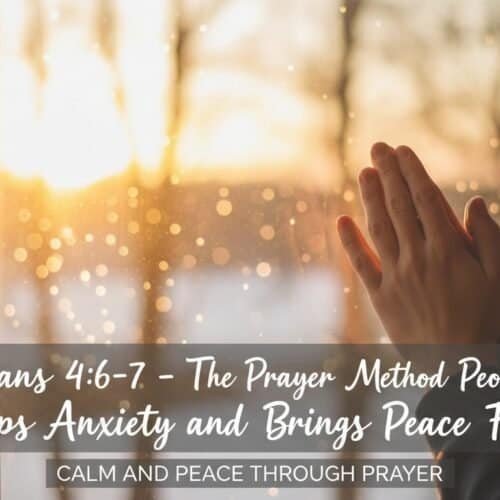
Remember Philippians 4:6-7’s promise about anxious thoughts.
Distraction strategies include setting aside worries for later and returning to Scripture-based praise.
God honors your sincere effort, even when your mind wanders.
How Long Should Each Section of ACTS Prayer Typically Last for Beginners?
Start with 2-3 minutes per ACTS section as a beginner, totaling 8-12 minutes.
These timing guidelines help establish consistent prayer habits without overwhelming you.
Focus on beginner pacing that feels sustainable rather than rushed.
As Jesus taught His disciples gradually, you’ll naturally expand each section as your prayer life deepens.
Don’t watch the clock obsessively—let the Holy Spirit guide your rhythm and growth in meaningful communication with God.
Are There Specific Bible Verses Recommended to Incorporate Into ACTS Prayer?
Yes, there are excellent verse suggestions for each ACTS section.
For Adoration, use Psalm 95:6-7 or Revelation 4:11.
Context examples for Confession include 1 John 1:9 and Psalm 51:10.
Thanksgiving flows naturally with Philippians 4:6 and 1 Thessalonians 5:18.
For Supplication, incorporate Matthew 6:11 and James 5:16.
You’ll find these verses provide biblical foundation and structure that’ll deepen your prayer experience significantly.
Conclusion
You’ve discovered a powerful framework that’s transforming prayer lives across your generation. The ACTS method isn’t just trendy—it’s biblical and proven. As you begin incorporating Adoration, Confession, Thanksgiving, and Supplication into your daily routine, you’re following Christ’s example of structured communion with the Father. Don’t underestimate this simple tool’s impact. Your consistent practice will deepen your relationship with God and strengthen your faith journey significantly.









No Comments