

11 Mar Why Anglican Good Friday Service Readings Matter
The Anglican Good Friday service readings matter because they connect you to the profound spiritual roots of Christianity. These ancient texts recount the heart-wrenching story of Christ’s betrayal, suffering, and crucifixion, inviting you to witness the tremendous sacrifice at the core of the faith. Exploring the theological depth and lasting impact of these readings can deepen your understanding of God’s transformative love and the powerful message at the heart of the Christian gospel.
Table of Contents
Key Takeaways
- The readings trace back to the earliest days of Christianity, connecting present believers to the roots of spiritual tradition.
- The readings convey profound theological truths at the heart of Christian belief, highlighting the sacrifice and love of God.
- The structured format of the Good Friday service, including the Veneration of the Cross, facilitates solemn commemoration and transformative encounter.
- Engaging with the readings invites witnessing of the profound sacrifice at the heart of faith, deepening understanding of the gospel.
- The readings emphasize core themes such as betrayal, suffering, sacrifice, love, and transformation, which are central to the Christian faith.
The Historical Significance of Good Friday Readings
The readings on Good Friday hold immense historical significance, tracing back to the earliest days of Christianity. They remind us of the pivotal events that form the bedrock of our faith – the betrayal, suffering, and crucifixion of Jesus Christ. These ancient scriptural passages have been recited and contemplated by generations of believers, connecting us to the very roots of our spiritual tradition. They’re not merely words on a page, but living testimonies that have shaped the course of Western civilization. Engaging with these readings allows you to participate in a centuries-old ritual, deepening your understanding of the sacrifice at the heart of the Christian message. This timeless practice continues to resonate, inviting you to reflect on the profound mysteries of Good Friday.
The Theological Meaning Behind the Good Friday Readings
Although the Good Friday readings may seem somber, they convey profound theological truths that lie at the heart of Christian belief. The crucifixion narrative reminds us of the tremendous sacrifice Christ made to atone for humanity’s sins. The readings’ focus on Christ’s suffering and death underscores the magnitude of God’s love and the centrality of the cross in Christian theology. They also emphasize the universal significance of Christ’s sacrifice, transcending individual experiences. Ultimately, the Good Friday readings invite believers to reflect deeply on the meaning of the Passion and its transformative power in their lives. This theological depth makes these readings indispensable for a meaningful commemoration of this solemn yet profoundly significant day in the Christian calendar.
How Anglican Churches Structure the Good Friday Service
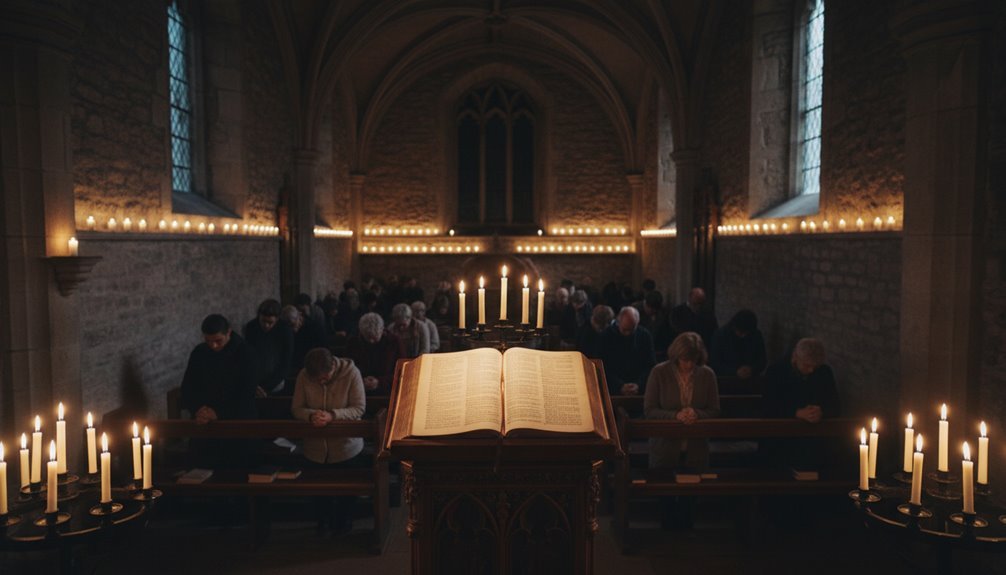
In Anglican churches, the Good Friday service typically follows a structured format to guide congregants through the solemn commemoration of Christ’s crucifixion. The service begins with a reading of the Passion narrative, often from the Gospel of John. This is followed by a series of prayers, known as the Solemn Collects, which reflect on the significance of Christ’s suffering and death. The service may also include the Veneration of the Cross, where worshippers come forward to touch or kiss a cross as a symbol of their devotion. The service concludes with the distribution of Holy Communion, which serves as a reminder of the sacrifice Christ made for humanity. Throughout the service, the focus remains on the solemnity and gravity of Good Friday, inviting worshippers to reflect deeply on the events that led to Christ’s crucifixion.
The Spiritual Impact of Engaging With Good Friday Readings
Engaging with the Good Friday readings can have a profound spiritual impact, as they invite you to witness the profound sacrifice at the heart of the Christian faith. These readings transport you to the foot of the cross, allowing you to contemplate the immense love and suffering of Christ.
As you engage with the Passion narratives, you’re confronted with the weight of sin and the transformative power of forgiveness. The readings challenge you to reflect on your own need for redemption and the cost of discipleship. This prayerful encounter can deepen your understanding of the gospel and inspire you to live out its message of grace and hope.
Frequently Asked Questions
Why Are Some Good Friday Readings Left Out of the Service?
Good Friday readings may be left out of the service for various reasons. The Anglican church has a specific liturgy and order of service it follows, so certain readings may not fit within the allotted time or align with the focus of the service.
The selection of readings is meant to highlight the central themes and events of Good Friday, so some may be excluded to maintain the flow and emphasis of the service.
Can Non-Anglicans Attend Good Friday Services?
Yes, non-Anglicans can attend Good Friday services. These services are open to all who wish to observe the solemn remembrance of Christ’s crucifixion, regardless of their denominational affiliation. While some readings may be specific to the Anglican tradition, the core message and experience of the service are meaningful for Christians of all backgrounds.
How Do Anglican Churches Choose the Good Friday Readings?
Anglican churches choose the Good Friday readings to focus on the Passion of Jesus Christ, the events leading up to and including his crucifixion. They typically read from the four Gospels, selecting passages that provide a comprehensive account of Christ’s suffering and death. The readings aim to guide worshippers through the somber and reflective nature of this sacred day.
Is It Mandatory to Stand During the Good Friday Readings?
No, it’s not mandatory to stand during the Good Friday readings in Anglican churches.
The exact protocols can vary between congregations, but generally, you’re free to sit or stand as you feel most comfortable.
The focus is on the solemn nature of the readings, not rigid rules about posture.
Do Anglican Churches Allow Photography During the Service?
Anglican churches generally don’t allow photography during the Good Friday service. The focus is on the solemn and reverent nature of the day, and flash photography can be disruptive. Some churches may permit discreet, non-flash photography, but it’s best to check with the clergy beforehand.
The service is a time for spiritual reflection, so the preference is to avoid any distractions.
Conclusion
You’ll find that the Good Friday readings in Anglican churches hold deep historical and theological significance. By engaging with these readings, you’ll gain a richer understanding of the passion of Christ and its profound spiritual implications. The structure of the Anglican Good Friday service allows you to fully immerse yourself in this solemn yet transformative observance.











No Comments