

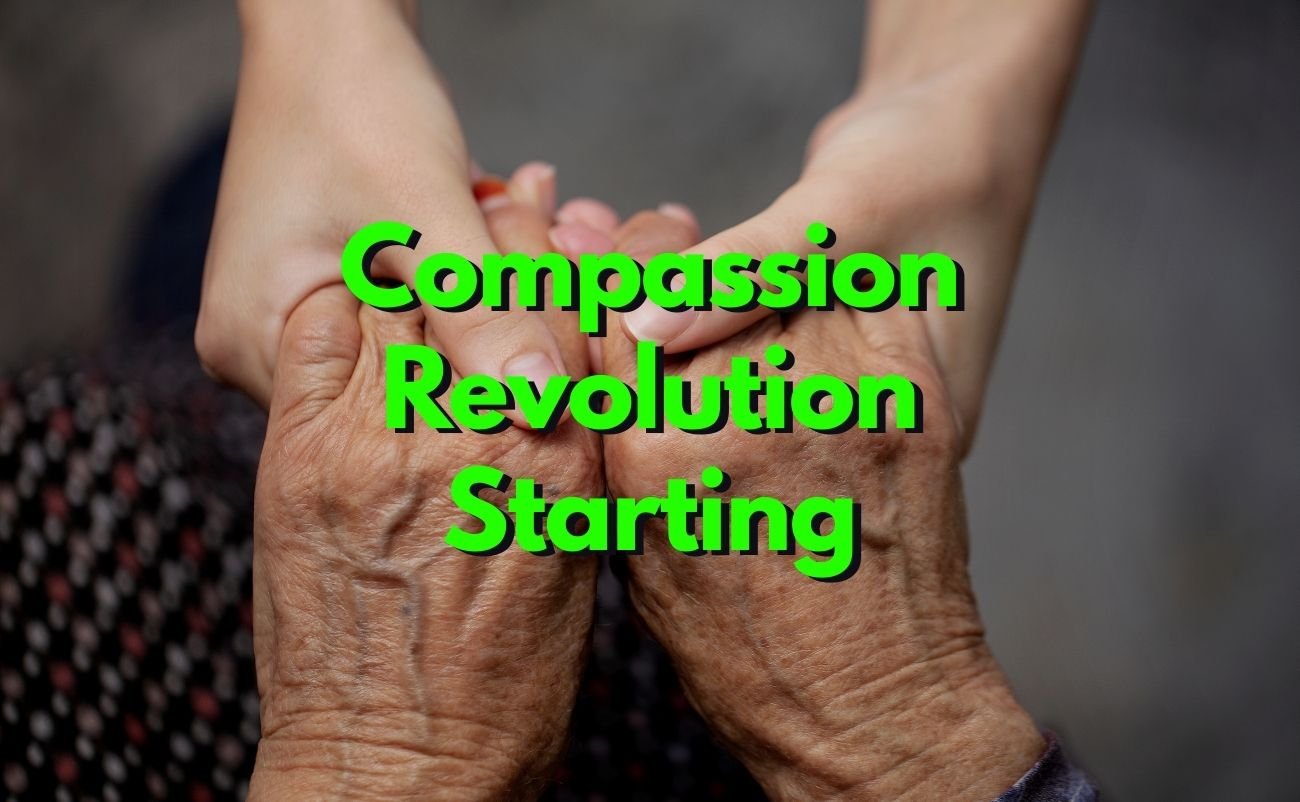
16 Mar Eastertide: Psalm 145:8-9 – Compassion on All He Made the Compassion Revolution Starting This Easter
You can let Psalm 145:8‑9 shape your Eastertide by treating every creature as a loved one, from sparrows to strangers. Start by greeting newcomers with a warm smile, offering childcare, and organizing a weekly “compassion hour” to deliver meals or blankets. Involve youth by using their talents—music, tech, gardening—to serve, and partner with shelters for needs‑based drives. This simple, steady rhythm of kindness mirrors God’s steadfast love, and the next steps will show you how to launch a full‑scale Easter compassion initiative.
Table of Contents
Understanding Psalm 145:8‑9 Compassion in Eastertide
How does Psalm 145:8‑9 shape our view of Easter compassion? You see God’s steadfast love extending to every creature, and you recognize that Easter isn’t just a celebration of resurrection but a call to mirror that boundless kindness. The verses remind you that divine compassion isn’t selective; it embraces all living things, from the smallest sparrow to the mightiest beast. As you reflect, you realize that the season’s message pushes you to act with the same inclusive love. You begin to view compassion as a daily posture, not a sporadic act, aligning your heart with the biblical portrait of a God who cares for everything He made. This perspective transforms how you engage with the world during Eastertide, urging you to embody that universal mercy in every interaction.
Practical Ways to Show Compassion in Church & Community
With the biblical call to universal mercy fresh in your mind, you can turn that conviction into tangible actions at church and in your neighborhood. Start by greeting newcomers with a sincere smile and a personal invitation to join a small group; a warm welcome signals that everyone matters. Offer to help with childcare during services so parents can worship without worry.
Organize a weekly “compassion hour” where volunteers deliver meals, groceries, or blankets to families facing hardship. Pair up with local shelters to host donation drives, and make sure the items match the recipients’ real needs.
Mentor youth by listening to their struggles and sharing practical advice. Use your skills—whether it’s music, tech, or gardening—to enrich community events, and ask for feedback so you improve. Finally, pray with and for those you serve, confirming that your actions stem from heartfelt faith.
Real‑World Kindness Stories That Echo Psalm 145:8‑9
Ever wonder how a single act of kindness can mirror the compassion described in Psalm 145:8‑9? You’ll find countless examples where ordinary people embody God’s steadfast love for all He created. A grocery clerk, noticing a homeless veteran’s empty cart, offered fresh produce and a listening ear, turning a routine checkout into a moment of dignity. A high‑school teacher, after learning a student’s family lost their home, organized a community drive that delivered furniture and meals, restoring hope in a chaotic week. A commuter, seeing an elderly neighbor struggling with a broken car, spent an hour fixing the engine, allowing her to attend a Sunday service on time. A small town’s fire department, after a severe storm, opened its stations as shelters, providing warmth and safety to displaced families. Each story shows that when you act with genuine care, you echo the divine compassion that “spreads love to all He’s made.”
Step‑by‑Step Guide to Launch Your Easter Compassion Initiative
The stories of everyday kindness illustrate that compassion isn’t a distant ideal—it’s a practical, repeatable action you can start today. First, define a clear, Easter‑themed goal: feed a family, clean a park, or deliver care packages to seniors.
Next, assemble a small team of friends or church members; assign roles like outreach, logistics, and promotion.
Then, set a timeline—launch planning two weeks before Easter, execute on Good Friday, and wrap up on Easter Sunday.
Secure resources by reaching out to local businesses for donations or using existing budget lines.
Create a simple flyer or social‑media post that explains the mission, dates, and how volunteers can help.
Hold a brief orientation to share safety guidelines, distribution routes, and the scriptural motivation (Psalm 145:8‑9).
Finally, document the event with photos and testimonies, thank participants, and share results to inspire the next initiative.
Frequently Asked Questions
What Historical Events Influenced the Phrase “Compassion Revolution”?
You’re seeing the phrase “compassion revolution” rooted in the late‑20th‑century humanitarian surge: the 1960s civil‑rights and anti‑war movements, the 1970s global poverty awareness sparked by Live Aid, the 1990s UN “Human Development” agenda, and the early‑2000s rise of social‑media activism.
These events reframed empathy as collective power, prompting NGOs, governments, and faith groups to brand their outreach as a revolutionary, systemic shift toward universal compassion.
How Does Psalm 145:8‑9 Compare With Other Biblical Compassion Verses?
You’ll see that Psalm 145:8‑9 declares God’s tender mercy to everyone, echoing the universal scope of verses like Luke 6:36 (“be merciful, just as your Father is merciful”) and 1 John 4:8 (“God is love”).
Unlike the more relational compassion in Matthew 9:36 (“He had compassion for the crowds”), Psalm 145 stresses divine kindness toward all creation, aligning closely with Psalm 103:8 (“He is merciful and gracious”) while emphasizing an all‑encompassing, steadfast mercy.
Can Non‑Christian Traditions Adopt This Easter Compassion Model?
Yes, you can adopt the Easter compassion model even if you’re not Christian. The core idea—showing mercy to all creation—transcends any single faith. You’ll find similar teachings in Buddhism’s loving‑kindness, Islam’s Rahmah, and Hinduism’s ahimsa. By focusing on universal values like empathy, generosity, and stewardship, you can integrate the model into your own spiritual or secular practices without compromising your tradition.
What Metrics Best Measure a Community’s Compassion Growth?
You should track compassion growth with three core metrics. First, count the number of peer‑to‑peer aid actions—volunteer hours, donations, and mentorship matches—per month. Second, measure sentiment shifts in community communications using natural‑language analysis for empathy keywords and supportive tone. Third, assess the reduction in conflict incidents and resolution times. Combine these data points into a composite index to see real progress.
How to Address Burnout When Leading a Compassion Initiative?
You tackle burnout by scheduling regular breaks, delegating tasks, and setting realistic goals. Prioritize self‑care: sleep, exercise, and nutrition. Use mindfulness or brief meditation to reset your mind. Encourage team members to share workload and voice concerns. Celebrate small wins to keep motivation high. Keep boundaries clear—turn off notifications after work hours. Reflect on why you started the compassion initiative, reconnecting with its purpose to sustain energy and passion.
Conclusion
So, as you step into Eastertide, let Psalm 145:8‑9 shape your actions. Embrace compassion as a daily habit, not just a holiday buzzword. Reach out, listen, and serve—whether in church, neighborhood, or online. Your small acts ripple outward, echoing the divine love that created all. By living this compassion revolution, you become the hands and feet of the risen Christ, spreading hope and kindness wherever you go.












No Comments