

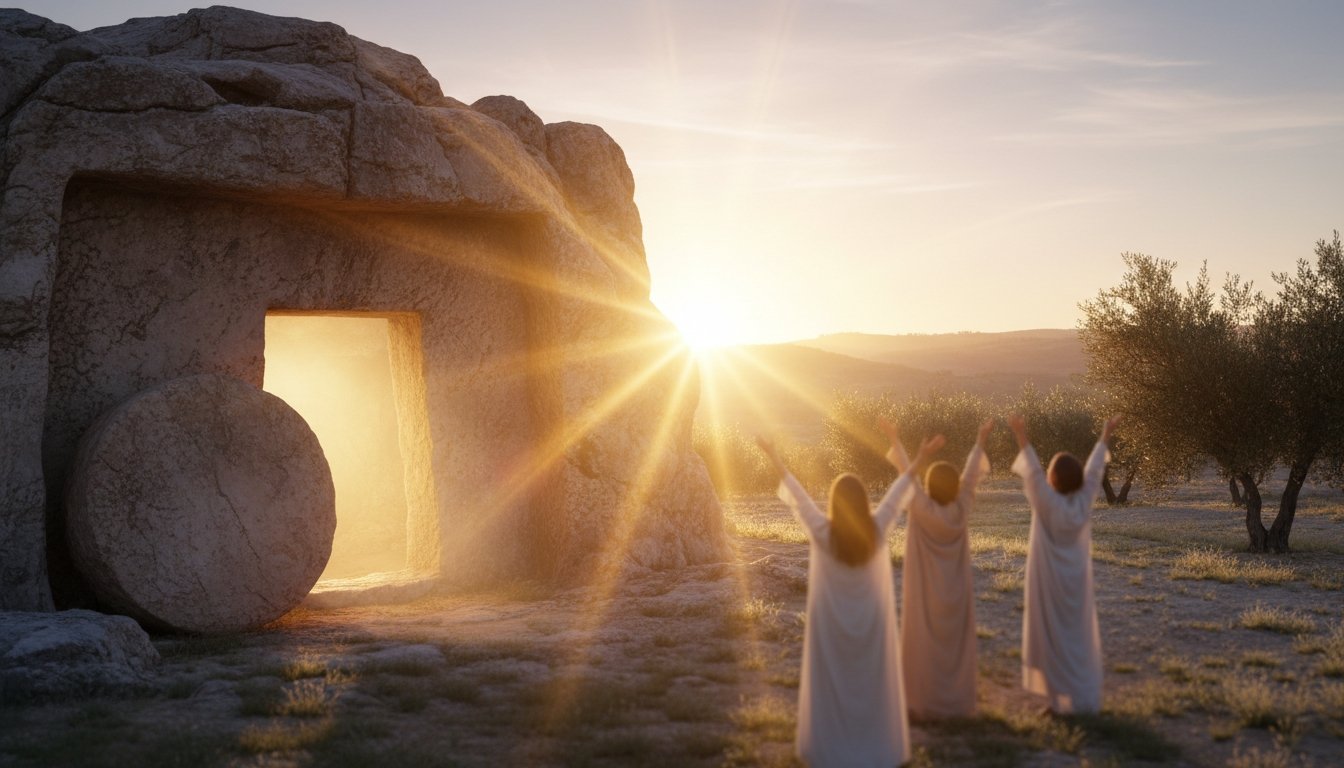
17 Mar Eastertide: Psalm 118:22-24 – The Day the Lord Has Made – Why Today Is the Most Important Day Ever
Easter Sunday marks the most important day ever, as the Bible’s Psalm 118 foretold Christ’s victorious resurrection over 2,000 years ago. You’ll discover the stone the builders rejected has become the cornerstone, the Lord’s marvelous doing, and the day He’s made for rejoicing. Explore how Jesus fulfilled this prophecy, its lasting impact, and how you can apply these timeless truths to deepen your own spiritual journey.
Key Takeaways
- Easter Sunday marks the fulfillment of the prophecy in Psalm 118:22-24, where the rejected stone becomes the cornerstone and God’s salvation plan is accomplished.
- The resurrection of Jesus on Easter proves His Messiahship and secures eternal life for believers, making it the most significant day in history.
- Psalm 118 was sung during Passover, and Jesus quoted it during His triumphal entry, connecting the Israelites’ deliverance to His own victory over sin and death.
- Easter inspires believers worldwide, affirming the promise of new life, transforming lives, and uniting communities in worship and reflection.
- Psalm 118:22-24 encourages us to trust in God’s sovereign plan, even when facing rejection, and to rejoice in the day the Lord has made.
The Triumphant Declaration of Psalm 118:22-24
Why does Psalm 118:22-24 declare such a triumphant message? It’s simple – this passage proclaims the victory of Jesus Christ over sin and death. “The stone the builders rejected has become the cornerstone.” This refers to how the religious leaders of Jesus’ day rejected Him, but God made Him the foundation of a new spiritual building – the church. “The Lord has done this; it’s marvelous in our eyes.” This victory is God’s doing, and it’s wondrous beyond belief. “This is the day the Lord has made; let’s rejoice and be glad in it.” The resurrection of Jesus is the most important day ever, for it secures our salvation and everlasting life. Rejoice, for the Lord has won!
The Historical Significance of the Psalm
How did this psalm come to be written? Scholars believe Psalm 118 was written after the Israelites returned from the Babylonian exile. It celebrates their deliverance and the restoration of Jerusalem.
The psalm’s placement in the Hallel collection, sung at Passover, suggests its significance for the Jewish people. Jesus quoted this psalm during his triumphal entry into Jerusalem, affirming its messianic importance.
The psalm’s themes of God’s steadfast love, the rejection and exaltation of the cornerstone, and the joy of the Lord’s salvation point to Christ’s death and resurrection. This historical context underscores the psalm’s profound meaning, making it a fitting Scripture for the most important day in history – the day the Lord has made, the day of Christ’s resurrection.
How Jesus’ Resurrection Fulfilled the Prophecy
Jesus’ resurrection powerfully fulfilled the prophecy in Psalm 118:22-24. The stone the builders rejected – Jesus – became the cornerstone. His death and resurrection proved He was the Messiah, the one God had planned from the beginning. On that Easter morning, the Lord made the day of Jesus’ victory over sin and death.
What the psalmist had foretold centuries prior, Jesus accomplished. His rising from the grave is the pivotal event in human history, for it confirms God’s promise of salvation and eternal life for all who believe in Christ. This is why Easter is the most important day ever – it marks the fulfillment of God’s plan to redeem humanity through His Son.
The Lasting Impact of Easter Sunday
Remarkably, the lasting impact of Easter Sunday extends far beyond the initial joy and celebration of Christ’s resurrection.
The pivotal event continues to inspire believers worldwide, affirming the promise of new life and eternal salvation through faith in Jesus.
This profound truth has transformed countless lives, empowering individuals to overcome adversity, find purpose, and share the Gospel message.
Moreover, the commemoration of Easter Sunday has become a cherished tradition, uniting communities in worship and reflection.
The enduring significance of this day serves as a testament to the timeless power of the Resurrection, a reminder that the Lord’s promises never fade, and that His love transcends the bounds of mortality.
Applying the Lessons of Psalm 118:22-24 to Your Life
Why not consider how the lessons of Psalm 118:22-24 can be applied to your own life? The image of the rejected stone becoming the cornerstone reminds us that God can use the most unexpected things for His glory. Reflect on areas of your life that may seem insignificant or overlooked – could these hold potential for greater purpose?
The proclamation “This is the day the Lord has made; let’s rejoice and be glad in it” encourages an attitude of gratitude and celebration, even amidst life’s challenges. Choose to view each day as a gift, finding reasons to delight in it.
Finally, the affirmation “The Lord has done this” points to God’s sovereign hand at work. Trust that He’s moving in your circumstances, even when you can’t see it.
Frequently Asked Questions
How Did the Psalm Come to Be Written?
You believe this psalm was written as a song of celebration and thanksgiving to God for the deliverance of the Israelites.
The psalmist likely drew inspiration from historical events where God had acted powerfully on behalf of his people, and wanted to express gratitude and praise for God’s faithfulness and sovereignty.
What Other Biblical Events Are Connected to This Psalm?
This psalm is connected to several key biblical events. It’s quoted by Jesus in the Gospels, and its themes of the rejected stone becoming the cornerstone are seen in the death and resurrection of Christ.
The psalm also foreshadows the triumph of God’s people over their enemies, which is fulfilled in the ultimate victory of Christ over sin and death.
How Do We Know the Psalm Refers to Jesus?
We know this psalm refers to Jesus because the New Testament authors explicitly connect it to Him. In the Gospels, Jesus quotes Psalm 118:22, identifying Himself as “the stone that the builders rejected” (Matt 21:42, Mark 12:10, Luke 20:17).
The early church also recognized this psalm as a Messianic prophecy about Jesus’ rejection and exaltation.
Why Is Easter Sunday Celebrated for 50 Days?
Easter Sunday is celebrated for 50 days because it commemorates the resurrection of Jesus Christ and the 50-day period between His resurrection and the descent of the Holy Spirit on Pentecost.
This extended celebration reflects the immense significance of Christ’s triumph over death and the profound impact it has on the Christian faith.
How Can Psalm 118:22-24 Guide Our Daily Lives?
Psalm 118:22-24 can guide your daily life by reminding you that the day the Lord has made is to be rejoiced in and celebrated. These verses encourage you to see each day as a gift from God, to find joy and gladness in it, and to recognize that the Lord is the source of your salvation and the center of your life.
Conclusion
You’ve been given a special day to celebrate the Lord’s triumph over sin and death. Embrace the joy and hope found in Jesus’ resurrection, for it’s the most important event ever. Let the truths of Psalm 118:22-24 transform your heart and life, remembering that this is the day the Lord has made – rejoice and be glad in it!









No Comments