

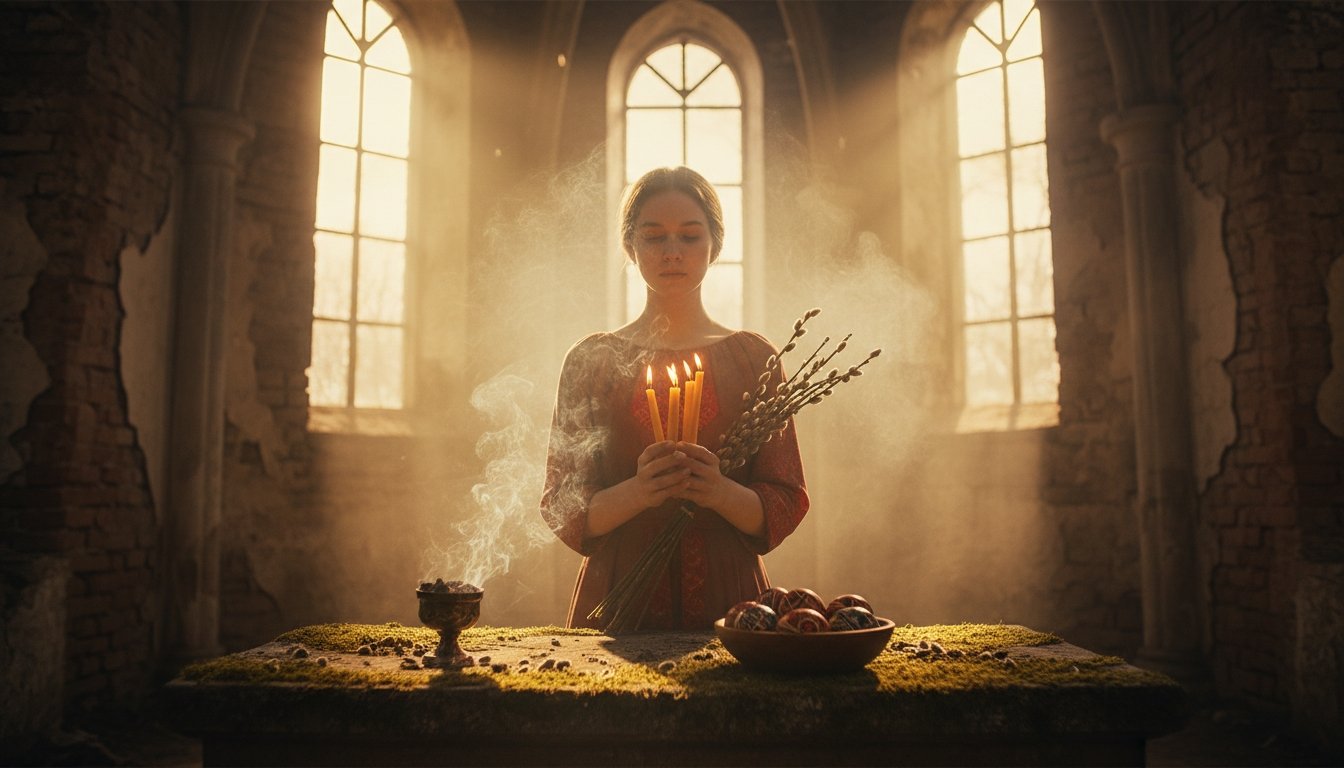
28 Feb Easter Monday Traditions and Theology: A How-To Guide
Explore the rich tapestry of Easter Monday traditions rooted in sacred theology. Dive into ancient pagan rituals adapted by early Christians, symbolism behind eggs and bunnies, and global cultural diversity. Craft personalized practices that deepen your understanding of Christ’s transformative resurrection. Engage in reflective, service-oriented, and family-centered activities to cultivate renewed hope and resilience. Discover how Easter Monday can enrich your spiritual journey and connection to the Christian tradition.
Table of Contents
Key Takeaways
- Explore the evolution of Easter Monday customs, stemming from ancient pagan spring festivals adapted by early Christians.
- Understand the religious significance and theological meaning of Easter Monday rituals, such as egg-rolling and the Easter bunny.
- Discover the diversity of regional Easter Monday traditions around the world, from Poland’s Śmigus-dyngus to Sweden’s Påskekrim.
- Explore the symbolic meanings behind various cultural practices, like decorated willow branches in the Czech Republic.
- Integrate the theology of Easter Monday into personal observance through contemplation, acts of service, and family-centered activities.
The Origins and Evolution of Easter Monday Traditions
Although the exact origins of Easter Monday traditions are unclear, the customs and practices associated with this day have evolved significantly over time. Many believe the observance of Easter Monday stems from ancient pagan spring festivals, which early Christians adapted to commemorate the resurrection of Jesus.
Throughout history, various cultures have incorporated unique local traditions, like egg rolling, parades, and festive gatherings. While some customs have faded, others remain popular today, reflecting the adaptable and enduring nature of this post-Easter celebration.
The diversity of Easter Monday traditions underscores its role in diverse religious and cultural practices worldwide.
Uncovering the Religious Significance of Easter Monday Rituals
Dive into the religious significance behind the rituals observed on Easter Monday.
Uncover the deeper theological meanings and cultural origins of these traditions.
Explore how these practices connect to the broader themes of the Easter season.
Theological Meaning of Rituals
While the Easter Monday rituals may seem like mere cultural traditions, they hold deep theological significance. These rituals symbolize the resurrection of Christ, reminding us of the promise of eternal life. The egg, for instance, represents the empty tomb, while the bunny signifies new life and fertility. These symbols invite us to reflect on the transformative power of the Resurrection, which enables us to embrace hope, even in the face of life’s challenges. Engaging with these rituals can deepen our understanding of the profound theological truths at the heart of the Easter season, connecting us to the rich tapestry of Christian tradition.
Cultural Origins of Traditions
Why do the Easter Monday rituals hold such profound cultural and religious significance?
These traditions have their roots in ancient pagan celebrations marking the arrival of spring. The egg, for instance, symbolizes rebirth and fertility – motifs common in pre-Christian festivals. Even the timing of Easter itself aligns with the vernal equinox. As Christianity spread, it absorbed these existing customs, giving them new meaning. Today, decorating eggs, enjoying festive meals, and engaging in outdoor activities like egg hunts all tie back to these shared origins. Understanding this context enriches your appreciation of the holiday’s spiritual significance beyond just the religious dogma.
Exploring the Cultural Diversity of Easter Monday Customs
Easter Monday customs reflect the cultural diversity of communities worldwide. From vibrant parades and lively festivals to sacred rituals and family gatherings, these traditions embody regional identities and religious symbolism.
Explore how different nations and communities celebrate this day, immersing yourself in their unique perspectives on the holiday.
National Customs and Traditions
What cultural diversity can you find in the traditions and customs observed on Easter Monday across the globe? From egg-rolling contests in the United Kingdom to elaborate parades in the Philippines, the ways in which people celebrate this day vary significantly.
In Poland, families may engage in a ritual “Śmigus-dyngus” by gently splashing each other with water.
In Germany, egg-tapping competitions are a popular tradition.
In parts of Latin America, the day is marked by lively music, dancing, and feasting.
Regardless of the specific customs, Easter Monday is a time for communities to come together and commemorate the religious and cultural significance of the Easter holiday.
Regional Diversity of Celebrations
How diverse are the Easter Monday customs celebrated across the globe? From egg decorating in Poland to traditional dances in Greece, the regional variations showcase the cultural richness of this holiday. In the Czech Republic, people playfully whip women with decorated willow branches. Meanwhile, Swedes enjoy a “Påskekrim” tradition, reading crime novels over the Easter break. In Ireland, the annual Easter Rising commemoration has historical significance. Across Europe, communities hold parades, feasts, and other unique festivities that reflect their local heritage. Whether it’s the elaborate Semana Santa processions in Spain or the egg jarping competition in England, Easter Monday celebrations embody the diversity of global traditions.
Religious Significance and Symbolism
Why do the religious customs and symbolic elements of Easter Monday festivities vary so greatly across different cultures?
The significance of Easter Monday is rooted in biblical events, but interpretations and traditions have evolved uniquely within diverse religious and cultural contexts. Some emphasize Christ’s resurrection, while others focus on spring rebirth and renewal. Egg decorating, for instance, symbolizes fertility in parts of Europe, but represents the empty tomb in Orthodox traditions. Feasting, almsgiving, and pilgrimages hold sacred meaning, yet manifest differently. Though unified by shared faith, communities have adapted Easter Monday observances to reflect their distinct histories, beliefs, and values, creating a rich tapestry of global spiritual expression.
Integrating Easter Monday Theology Into Your Spiritual Practice
Essentially, integrating Easter Monday theology into your spiritual practice involves reflecting on the theological significance of this holy day and intentionally incorporating its deeper meanings into your daily life of faith. Consider how Christ’s resurrection and triumph over death can inspire you to live with renewed hope and purpose. Ponder the themes of renewal, new beginnings, and the promise of eternal life. Incorporate these ideas through contemplative prayer, acts of service, or simply by mindfully embracing each day as a gift.
Ultimately, allow the profound theological truths of Easter Monday to permeate and transform your spiritual journey, empowering you to live with greater faith, joy, and resilience.
Symbolism and Meaning Behind Easter Monday Celebrations
What’s the deeper significance behind the observance of Easter Monday? This day symbolizes the triumph of Christ over death and the hope of eternal life. It’s a time to reflect on the resurrection and its profound implications for our spiritual journey. The custom of egg decorating, for instance, represents new life and rebirth. Gathering with loved ones and engaging in festive activities like egg hunts further underscores the celebratory nature of this holy day. Ultimately, Easter Monday invites us to embrace the transformative power of the resurrection and rededicate ourselves to living out its message of redemption, forgiveness, and everlasting love. These ancient traditions imbue the day with rich theological meaning, urging us to deepen our faith and live as people of the Resurrection.
A Step-by-Step Guide to Observing Easter Monday Meaningfully
How can you observe Easter Monday in a meaningful way? Start by taking time for reflection and prayer. Consider the significance of Christ’s resurrection and what it means for your faith. You can also engage in acts of service, volunteering or donating to a local charity.
Spend time with loved ones, sharing a meal or participating in an Easter egg hunt. Explore traditions like egg decorating or attending a special church service. The key is to find ways to connect with the deeper spiritual meaning of the day, not just the cultural festivities. By doing so, you’ll breathe new life into this important Christian holiday.
Frequently Asked Questions
Can You Eat Meat on Easter Monday?
Yes, you can eat meat on Easter Monday.
The Catholic Church typically doesn’t prohibit the consumption of meat on Easter Monday, as it’s not considered a day of strict fasting or abstinence like Good Friday.
However, some Christian denominations may have their own traditions or guidelines, so it’s always best to check with your local church.
Is It Mandatory to Attend Church on Easter Monday?
Attending church on Easter Monday isn’t mandatory. While many Christians choose to attend services, it’s not a requirement. The observance of Easter is primarily focused on the celebration of Christ’s resurrection on Easter Sunday. Easter Monday is often a day of rest and relaxation for many believers, rather than a strictly religious observance.
How Long Does the Easter Monday Celebration Last?
The Easter Monday celebration typically lasts throughout the day, with many traditional events and activities occurring.
While the length may vary by location and custom, the celebration is generally observed from morning until evening, with people engaging in various cultural and religious practices to commemorate the Easter holiday.
What Are the Typical Easter Monday Family Activities?
Typical Easter Monday family activities include gathering for a leisurely brunch, going on a picnic, playing outdoor games like egg rolling or egg tossing, and taking a stroll through the neighborhood. Many families also visit cemeteries to decorate the graves of loved ones. It’s a day to spend quality time together and continue the Easter celebrations.
Can You Work on Easter Monday in Some Countries?
Yes, in some countries, you can work on Easter Monday. While it’s a public holiday in many places, the regulations vary. Some employers may require employees to work, while others may offer the day off or provide flexible schedules. Be sure to check your local laws and your employer’s policies regarding Easter Monday to understand your obligations and rights.
Conclusion
You’ve now explored the rich traditions and profound theology behind Easter Monday. As you continue your spiritual journey, don’t forget to incorporate these meaningful customs into your practice, honoring the resurrection and embracing the cultural diversity of this special day. By doing so, you’ll deepen your connection to the divine and find renewed purpose in your faith.










No Comments