


29 Mar 5 Best Verses About Community Fellowship Love
You’ll find that Psalm 133:1 shows how unity makes worship a powerful offering, while Acts 2:44‑47 models the early church’s shared life and generosity. Romans 12:10‑13 teaches you to honor and care for one another daily, and 1 John 4:7‑21 declares love the invisible thread that binds true fellowship. Together these verses reveal the biblical heartbeat of community love, and if you keep exploring you’ll discover even deeper insight.
Table of Contents
Why Community Fellowship Love Matters in Scripture
Why does Scripture stress community fellowship love? You’ll notice that the biblical narrative repeatedly links love with the people of God, showing that relationships aren’t optional extras but essential to spiritual health. When you gather in fellowship, you embody the covenant promise that God is “a God of relationship,” not isolation. The New Testament frames love as the hallmark of discipleship; Paul writes that “the whole law is summed up in loving your neighbor.” This communal love fuels accountability, encourages growth, and mirrors the triune nature of God. In the Old Testament, Israel’s covenant identity hinges on shared worship and mutual care, turning individual devotion into a collective witness. By embracing fellowship, you participate in a divine pattern where love binds the body, creates unity, and amplifies worship. Consequently, the Scripture’s emphasis on community love isn’t merely sentimental—it’s a theological imperative that shapes identity, purpose, and the very way you live out faith.
Psalm 133:1 – Unity as the Power of Worship
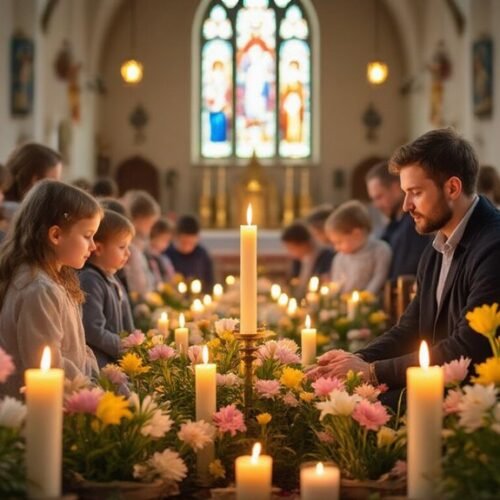
Ever wondered how unity transforms worship? When you gather as one, Psalm 133:1 captures that miracle: “How good and pleasant it’s when God’s people live together in unity.” You feel the atmosphere shift; the collective breath becomes a single, harmonious offering. This unity isn’t just social cohesion—it’s spiritual electricity that fuels every prayer, song, and sacrament.
Imagine the oil flowing down a ruler’s beard, a symbol of abundance and blessing; that same flow erupts when hearts align, amplifying the worship experience. You notice the Holy Spirit moving more freely, the Word resonating deeper, and the church’s witness shining brighter. By embracing this unity, you turn ordinary gatherings into powerful acts of worship that honor God and inspire others. Let the “good and pleasant” promise guide you to seek togetherness, for it’s the engine that powers true worship.

Acts 2:44‑47 – Early‑Church Model of Community Fellowship
How does the early church’s daily life illustrate the power of true fellowship? You see believers sharing everything—possessions, meals, prayers—so that no one lacked. They gathered in the temple courts and homes, breaking bread together and praising God with sincere hearts. Their unity produced awe among outsiders, drawing many to Christ. You can picture their simple rhythm: a communal pool of resources, daily worship, and heartfelt generosity. When a member fell sick, the group cared for them; when a family needed food, the community provided. This model shows that fellowship isn’t a program but a lived reality where love fuels mutual support. By imitating that pattern, you create a vibrant, resilient community that reflects Christ’s love and attracts others to the gospel. The early‑church example proves that true fellowship transforms ordinary life into a powerful witness.
Romans 12:10‑13 – Caring for One Another in Practice
Romans 12:10‑13 calls us to love one another earnestly, showing honor and affection in everyday life. You’re urged to outdo one another in showing honor—think of greeting neighbors with genuine warmth, sharing meals, and offering help before being asked. When someone struggles, you’re to to be quick to listen and ready to act, turning compassion into tangible support. Hospitality becomes a habit; you open your home, your time, your resources without hesitation. And when poverty touches a member of your community, you’re instructed to share what you have, trusting that generosity fuels collective resilience. The passage also reminds you to pray together, keeping each other’s needs before God, and to celebrate victories as a unified body. By living these verses daily, you transform abstract love into concrete deeds that knit the fellowship tighter, making your community a living testimony of Christ‑like care.
1 John 4:7‑21 – Love as the Bond of True Fellowship
From sharing meals and opening homes, we now turn to the Samaritan encounter in John 4:7‑21, where love becomes the invisible thread that binds true fellowship. You notice how Jesus greets the woman with “Lord, you’re a prophet,” yet He quickly moves beyond titles to reveal a deeper bond. He tells her, “Whoever drinks the water I give will never thirst again,” inviting her into a relationship that transcends cultural barriers. This promise shifts the conversation from mere hospitality to a shared spiritual thirst, showing that love is the catalyst for authentic community.
As she spreads the news, her excitement becomes the conduit for others to encounter Christ, illustrating how love fuels evangelism and mutual encouragement. You see, love isn’t a feeling; it’s an active, unifying force that turns strangers into brothers and sisters, forging a fellowship that endures beyond circumstance.
Frequently Asked Questions
How Can I Practice Community Fellowship in a Digital Age?
You can practice community fellowship online by joining interest‑based groups, scheduling regular video calls, and sharing thoughtful messages. Host virtual hangouts, collaborate on projects, comment forums, and and on social and. Celebrate milestones, ask for help, and offer support. Keep conversations authentic, limit screen time interruptions, and use tools like shared calendars or group chats to stay organized and connected. This builds trust and belonging even when you’re apart.

What Biblical Passages Support Friendships Across Different Faith Traditions?
You’ll find biblical support for inter‑faith friendships in Romans 12:18, urging you to live at peace with everyone, and Galatians 3:28, reminding you that in Christ you’re all one.
The Book of Ruth shows loyalty beyond religious lines, and 1 Samuel 24:6‑7 depicts David’s respect for a rival’s life.
Also, Matthew 5:44 calls you to love all, even those who differ, highlighting universal compassion.
How Does Community Fellowship Impact Mental Health and Well‑Being?
You’ll find that community fellowship lifts your mood, reduces stress, and strengthens resilience. Regular interaction releases oxytocin and dopamine, which calm anxiety and boost happiness. Shared goals give you purpose, while supportive friends buffer against depression. When you belong to a group, you’re more likely to adopt healthy habits and seek help early. Overall, these social ties improve sleep, cognition, and long‑term mental well‑being.
Can Community Fellowship Be Cultivated in Workplace Environments?
Yes, you can cultivate community fellowship at work by scheduling regular informal gatherings, encouraging cross‑team projects, and recognizing personal milestones. Create shared spaces—both physical and digital—where people can chat, brainstorm, or unwind. Lead by example: show genuine interest, listen actively, and celebrate diverse perspectives. Offer mentorship programs and collaborative tools that lower barriers, and reward teamwork. Over time, these habits build trust, belonging, and a vibrant workplace community.
What Role Does Community Fellowship Play in Social Justice Initiatives?
You’ll find community fellowship fuels social‑justice work by uniting diverse voices, sharing resources, and building collective resilience.
It creates safe spaces where marginalized people can organize, amplify their stories, and challenge systemic oppression together.
When you nurture these bonds, you strengthen solidarity, coordinate actions, and sustain momentum, turning individual grievances into powerful, coordinated movements that drive lasting change.
Conclusion
You’ve seen how Scripture paints community fellowship as the heartbeat of faith—unity that fuels worship, a shared life that mirrors the early church, practical love that meets needs, and a divine bond that sustains every believer. When you embrace these verses, you’re stepping into a vibrant, loving community that reflects God’s own desire for connection. Let this truth shape your relationships, and watch your fellowship flourish.










No Comments