

18 Apr 10 Tips for Understanding Tongues of Fire Pentecost
Disclosure: Some of the links on this website are affiliate links. If you click a link and make a purchase, the Website Operator may earn a small commission at no extra cost to you.
Table of Contents
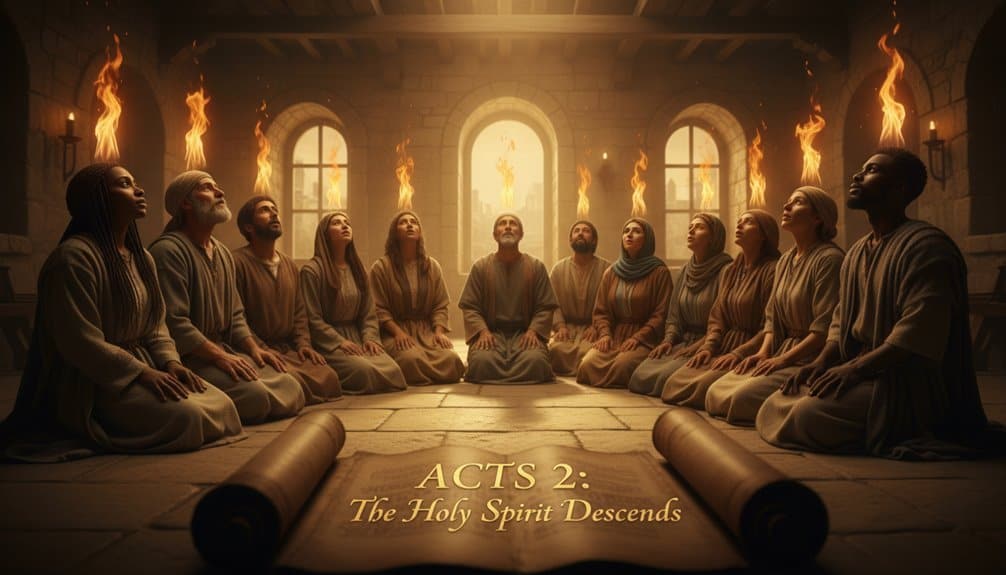
You’ll find that “tongues of fire” symbolize the Holy Spirit’s empowering presence, with fire representing divine energy, purification, and boldness, while “tongues” point to both spoken words and the heart’s spiritual language. Look for sudden heat, bright golden flames, a tingling chest, and a peaceful hush that follows. Notice how gifts like prophecy, healing, and discernment accompany the fire, and test authenticity by checking fruit, scriptural alignment, and communal discernment. Keep a journal, pray, and visualize the flame daily to stay grounded, and you’ll discover deeper insights as you continue.
What Does “Tongues of Fire” Mean in Pentecost?
When you read “tongues of fire” in Acts 2, the phrase isn’t a literal blaze but a vivid metaphor for the Holy Spirit’s empowering presence. You’ll notice the flames symbolize divine energy that ignites believers, granting boldness and spiritual insight. This imagery conveys that the Spirit doesn’t merely whisper; it shouts, urging you to proclaim the gospel with fervor.
The fire also represents purification, burning away doubt and sin while refining your faith. As you experience this, you’ll feel a sudden surge of confidence, as if an invisible wind has filled your lungs, ready to speak in new languages or share profound truths. The “tongues” element hints at both spoken words and the spiritual language of hearts, uniting diverse peoples under one divine mission.

Ultimately, the metaphor assures you that the Holy Spirit equips you with power, purpose, and a transformative presence that transcends ordinary speech.
Why the Holy Spirit Uses “Tongues of Fire” as a Symbolic Language
You sense the Holy Spirit’s divine presence as a glowing flame that draws you nearer to God. The fire purifies your heart, burning away impurity and preparing you for holy work. It also speaks a language beyond words, conveying truth that your mind alone can’t grasp.
Divine Presence Manifested
Even as the fire crackles, the Holy Spirit’s “tongues of fire” convey a vivid, symbolic language that signals divine presence. You feel the heat as a gentle reminder that God is near, not distant. The flickering tongues illuminate your heart, revealing hidden truths and stirring reverence. When you pray, the flames dance around your words, affirming that the Spirit validates your petitions. This visible sign reassures you that the Almighty watches, listening to each breath you take. The fire’s warmth wraps you in comfort, while its brightness cuts through doubt, making the divine unmistakable. Embrace this manifestation; let it deepen your faith and guide your steps toward a closer walk with God.
Purification Through Sacred Fire
Why does the Holy Spirit choose fire’s tongues as a language of purification? You feel the heat of divine conviction, a cleansing blaze that burns away doubt and sin. Each flicker represents a holy word that ignites transformation, turning impurity into holy.
When you surrender to this fire, you experience an inner furnace that refines character, exposing hidden flaws and melting them away.

The tongues of fire speak directly to your spirit, bypassing intellect and striking the heart. You notice a renewed clarity, a fresh sense of purpose, and a deeper intimacy with God.
Embrace the flames, let them purify you, and watch your faith emerge brighter, stronger, and more authentic.
Communication Beyond Human Language
Ever wonder how the Holy Spirit can convey divine truth without relying on ordinary words? You’ll find that “tongues of fire” act as a symbolic language that bypasses human syntax, speaking directly to the soul. The flames represent divine illumination, and their sound vibrates with spiritual frequency, not linguistic code. When you experience this, your heart interprets the rhythm, feeling guidance rather than reading instructions. The Holy Spirit chooses this mode because it transcends cultural barriers, uniting believers in a shared, ineffable experience. You can sense the message through intuition, emotion, and a deep sense of peace. Embrace the fire’s cadence, and let its non‑verbal communication reshape your understanding of faith.
How to Recognize the Manifestation of Tongues of Fire
Can you spot the sudden surge of heat and light that signals the presence of tongues of fire? You’ll feel a warm, tingling sensation spreading across your chest, as if a gentle flame is dancing just beneath your skin. Your breath may quicken, and a soft, humming vibration often accompanies the visual blaze. Look for flickering, golden tongues that rise and fall in sync with your pulse, never burning or damaging anything around you.
Your mind might become unusually clear, thoughts aligning like a choir of voices. Pay attention to an overwhelming sense of peace that follows the intensity, as if a divine hush settles over the room. If you notice these physical cues—heat, light, vibration, and a deep, calming assurance—you’re likely witnessing the manifestation of tongues of fire. Trust these signs, stay grounded, and let the experience deepen your connection.
Understanding the Spiritual Gifts Linked to Tongues of Fire
Do you realize that the radiant tongues of fire often accompany specific spiritual gifts—such as prophecy, healing, and discernment—each flowing from the same divine fire? When you experience this fire, you’re not just speaking; you’re tapping into a network of gifts that empower the church. Prophecy emerges as a clear, inspired message that guides believers, while healing manifests through compassionate touch and prayerful faith. Discernment sharpens your ability to distinguish truth from deception, protecting the community. These gifts operate together, amplifying one another: a prophetic word can open a healing prayer, and discernment ensures the message aligns with Scripture. As you cultivate sensitivity to the fire, you’ll notice these gifts surface naturally, each confirming the others. Embrace the fire as a conduit, not a performance, and let the Holy Spirit orchestrate the gifts, fostering unity, growth, and authentic worship.
Top 5 Misconceptions About Pentecostal Speaking in Tongues
Why do so many people cling to myths about Pentecostal speaking in tongues? You often hear that tongues are a wild, uncontrolled outburst, but the reality is far more nuanced. First, many assume it’s a sign of spiritual superiority; actually, it’s a personal prayer language, not a status badge. Second, some think it only happens in charismatic churches—yet biblical accounts show it can occur wherever believers yield to the Spirit. Third, the belief that tongues must be audible to others is mistaken; silent, private prayer can be just as valid. Fourth, many fear it’s demonic or counterfeit, but the Holy Spirit’s fruit—peace, love, and order—discerns authenticity. Finally, the idea that speaking in tongues guarantees instant miracles is false; it’s a conduit for deeper communion, not a magical formula. Recognizing these misconceptions clears the way for genuine, Spirit‑led expression.
Practical Steps to Prepare Your Heart for Tongues of Fire at Pentecost
You’ll start with heartfelt prayer, asking God to soften your spirit and align your desires with His. Then, immerse yourself in Scripture, letting verses shape your expectations and keep you rooted in truth. Together, these practices create a ready heart for the fire of Pentecost.
Heartfelt Prayer Preparation
When you set aside intentional time for heartfelt prayer, you create the spiritual space where the fire of Pentecost can ignite within you. Begin by silencing distractions: turn off devices, dim lights, and settle into a comfortable posture. Breathe deeply, inviting God’s presence with each inhale, and release tension with each exhale. Speak openly, confessing doubts and expressing gratitude, then listen for the gentle nudge of the Holy Spirit. Visualize a warm, radiant flame filling your chest, spreading outward to every limb. Keep a journal handy; jot down any impressions, emotions, or verses that surface. End the session by affirming your desire to be a vessel, trusting that the prepared heart will welcome the tongues of fire.
Scripture‑Based Expectation Alignment
If you anchor your expectations in Scripture, the fire of Pentecost becomes a promised reality rather than a vague hope. Begin by memorizing key passages—Acts 2:1‑4, Joel 2:28‑32, and 1 Cor 14:1‑5—so they pulse in your mind daily. Write a short personal declaration that ties each verse to your desire for the Spirit’s fire, then speak it aloud each morning. Use a journal to note moments when the Holy Spirit’s presence surfaces, linking those experiences back to the text. Meditate on the promised “power” in Acts 1:8, visualizing it as a gentle flame warming your heart. Finally, pray for humility, asking God to align your expectations with His timing and purpose.
How to Test the Authenticity of Your Pentecostal Experience
Ever wondered how to tell whether your Pentecostal experience is genuine or merely emotional? Start by checking fruit: does your life show lasting love, joy, peace, and self‑control? If the fire fades quickly, it may be hype, not holiness. Next, examine the language itself. Authentic tongues often align with Scripture, echoing biblical themes rather than random syllables. Test the message by praying for clarification; the Holy Spirit will illuminate meaning, not confuse. Also, compare your experience with the community’s discernment—leaders and mature believers can spot counterfeit signs like uncontrolled emotional outbursts or selfish displays. Finally, assess growth: are you deeper in prayer, more obedient, and eager to serve? Genuine Pentecost produces transformation, not just a temporary high. By weighing fruit, scriptural harmony, communal confirmation, and lasting change, you can confidently gauge authenticity.
Ways to Share the Tongues of Fire Message With Others After Pentecost
Curious how to keep the fire alive beyond the gathering? You can start by sharing a personal testimony that highlights the moment you felt the Holy Spirit’s presence. Keep it brief, vivid, and relatable, then invite listeners to ask questions. Offer a simple handout that outlines the biblical basis for speaking in tongues, includes a short prayer guide, and lists local prayer groups. Host a small “fire‑share” meeting at a coffee shop or home, where participants practice together and encourage one another. Use social media clips—short videos or live streams—to demonstrate a genuine, respectful expression of the gift. Partner with your church’s outreach team to include a “tongues” segment in community events, ensuring it’s presented as a loving invitation, not a performance. Finally, follow up with a personal call or text, asking how they felt and offering further resources or mentorship.
Maintaining Spiritual Momentum: Continuing the Fire Post‑Pentecost
After sharing the message, the next step is to keep the flame burning in daily life. You maintain spiritual momentum by anchoring the fire in routine practices that reinforce what you experienced.
Start each morning with a brief prayer and a verse that sparked your Pentecost fire, letting it set the tone for the day.
Schedule regular times for personal worship, journaling, and listening to worship music that lifts your spirit.
Join a small group that meets weekly for prayer, testimony, and mutual encouragement; the community keeps accountability high.
Serve in a ministry that aligns with your gifts—action translates passion into purpose.
When doubts arise, revisit the moments when you felt the Holy Spirit’s presence; write those memories down to remind yourself of the reality of the fire.
Finally, stay open to new revelations, but test them against Scripture and the fruit of love, joy, and peace.
This disciplined rhythm sustains the fire long after Pentecost.
Common Pitfalls When Discern Authentic vs. Counterfeit Experiences
Where do you stumble when trying to tell genuine fire from a fleeting spark? You often chase emotional highs, mistaking excitement for authenticity.
First, beware of relying solely on feelings; the Holy Spirit’s presence brings peace, not just exhilaration.
Second, watch for patterns of self‑promotion—if your experience consistently boosts your reputation, it may be counterfeit.
Third, test the fruit: genuine tongues produce love, joy, and humility, while counterfeit ones leave division or pride.
Fourth, check the scriptural alignment—authentic manifestations never contradict biblical truth.
Fifth, avoid isolation; authentic experiences invite community discernment, whereas counterfeit ones thrive in secrecy.
Finally, remember that the Spirit works slowly and steadily; rapid, dramatic bursts can be deceptive.
Frequently Asked Questions
Can I Speak Tongues Without Feeling Physical Heat?
You can speak tongues without feeling physical heat. The phenomenon isn’t tied to temperature; it’s a vocal and mental experience. When you pray or worship, focus on the words, let your breath flow, and let the Spirit move you. Your body may relax, but you won’t notice any actual warmth. Just breathe, stay present, and let the language emerge naturally.
Do Tongues of Fire Require a Specific Prayer Style?
You don’t need a rigid, formulaic prayer style to experience tongues of fire; what matters is genuine, heartfelt seeking. When you pray with sincere longing, openness, and reverence, you create space for the Spirit’s movement.
Focus on worship, confession, and surrender rather than specific words or rituals. That authentic posture invites the fire, allowing the gift to manifest without a prescribed prayer pattern.
What if My Tongue Sounds Like a Known Language?
If your tongue sounds like a known language, you should still treat it as a spiritual gift, not a linguistic test. Listen for the Holy Spirit’s prompting rather than trying to translate it yourself. Compare the message’s content with Scripture; if it aligns, it’s genuine. Avoid over‑analyzing or assuming it’s a miracle language—focus on humility, obedience, and the fruit it produces in your life and community.
Can Non‑Believers Experience Tongues of Fire?
Yes, you can experience tongues of fire even if you don’t identify as a believer. The phenomenon is often described as a spontaneous, ecstatic vocalization that can arise during intense emotional or spiritual moments, regardless of doctrine. Your brain may produce rhythmic, unfamiliar sounds when heightened arousal triggers neural pathways linked to language and music. So, while many attribute it to faith, the underlying neurophysiology can occur in anyone who reaches a similar state of fervor.
Is There a Biblical Limit on How Long Tongues Should Last?
You won’t find a specific time frame in Scripture; the Bible describes tongues as spontaneous, Spirit‑driven utterances, not timed events.
Acts and Paul’s letters speak of them occurring “as the Spirit gave utterance,” without limiting duration.
Conclusion
You’ve explored how tongues of fire symbolize the Holy Spirit’s power, how to recognize genuine manifestations, and how to guard against misconceptions. By testing authenticity and sharing the experience wisely, you keep the fire alive beyond Pentecost. Stay rooted in Scripture, seek community discernment, and let the Spirit’s flame fuel your ongoing spiritual growth.









No Comments