


19 Dec Ten Commandments Explained Simply: Verses and Modern Meaning
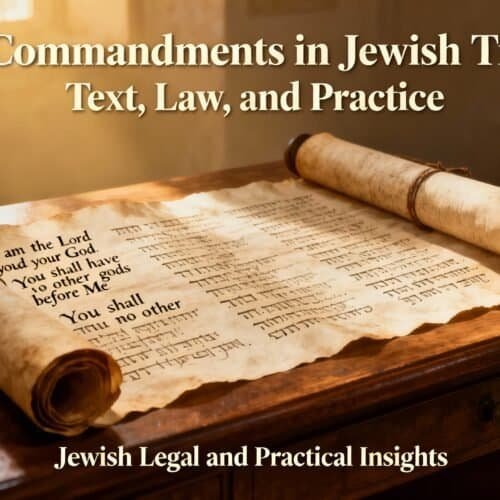
The Ten Commandments establish God’s foundational moral law, governing your relationship with Him and others through timeless principles. The first four commandments address divine relationship: exclusive worship (Exodus 20:3), rejecting idolatry (20:4), honoring God’s name (20:7), and Sabbath observance (20:8-11). The final six govern human relationships: honoring parents (20:12), preserving life (20:13), marital fidelity (20:14), respecting property (20:15), truthful testimony (20:16), and contentment over covetousness (20:17). These divine ordinances transcend cultural boundaries, demanding both outward obedience and inward transformation that continues shaping contemporary ethical understanding.
Key Takeaways
- The First Commandment (Exodus 20:3) prohibits worshiping other gods, including modern idols like money, power, or career ambition.
- The Fourth Commandment establishes weekly rest as divine ordinance, creating rhythm between work and worship while acknowledging God’s sovereignty.
- The Fifth Commandment requires lifelong honor and care for parents, connecting personal obedience with community stability and prosperity.
- The Sixth through Ninth Commandments protect human dignity by prohibiting murder, adultery, theft, and false witness in all relationships.
- The Tenth Commandment addresses internal motivation, prohibiting covetousness that destroys community relationships and leads to other sins.
The First Commandment: No Other Gods Before Me

Though humanity has consistently fashioned idols throughout history, the First Commandment establishes God’s exclusive claim to worship and allegiance (Exodus 20:3). You’re called to recognize Yahweh’s sovereignty as incomparable and non-negotiable (Deuteronomy 6:4). The Hebrew term “elohim acherim” (other gods) encompasses both literal deities and functional substitutes that usurp God’s rightful position in your life.
God’s exclusive claim to worship admits no rivals—whether ancient idols or modern substitutes that fragment your ultimate allegiance and devotion.
Contemporary violations manifest through subtle displacement rather than overt polytheism. The idolatry of wealth transforms material accumulation into ultimate security, contradicting Jesus’s warning that you can’t serve both God and mammon (Matthew 6:24).
Similarly, the idolatry of power elevates human authority above divine sovereignty, echoing ancient Israel’s rejection of theocratic governance (1 Samuel 8:7).
This commandment demands exclusive devotion—not merely intellectual acknowledgment but wholehearted commitment. You must examine competing loyalties that fragment your allegiance, recognizing that anything receiving your ultimate trust, love, or obedience functions as deity, violating God’s fundamental claim upon your existence.
The Second Commandment: No Idols or Graven Images
The Second Commandment (Exodus 20:4-6) prohibits creating carved images or likenesses for worship, establishing God’s transcendence beyond physical representation and rejecting the ancient Near Eastern practice of divine imaging found in surrounding cultures.
You must recognize that modern idolatry extends far beyond literal statues to encompass any created thing—whether material possessions, relationships, or ideologies—that usurps God’s rightful place as the ultimate object of devotion and trust. Calvin’s insight that the human heart is “a perpetual factory of idols” remains theologically accurate, requiring constant examination of what competes for your supreme allegiance in contemporary life.
Biblical Text and Context
According to Exodus 20:4-6 and its parallel in Deuteronomy 5:8-10, God’s second commandment declares: “You shan’t make idols or any likeness of what’s in heaven above or on the earth beneath or in the water under the earth” (NASB).
The historical context reveals Israel’s emergence from Egyptian polytheism, where divine representation through images dominated religious practice. Cultural influences from surrounding Canaanite nations further threatened monotheistic worship.
The Hebrew term *pesel* (graven image) encompasses carved statues, while *temunah* (likeness) extends to any physical representation of deity. This prohibition wasn’t merely aesthetic but theological—protecting God’s transcendence and preventing the reduction of infinite divinity into finite material forms. The commandment establishes exclusive worship of Yahweh alone.
Modern Idolatry Forms
Five primary categories of modern idolatry have emerged in contemporary society, each representing sophisticated departures from exclusive devotion to God that mirror ancient Israel’s struggles with false worship.
You’ll encounter materialism’s relentless pursuit of possessions, where wealth becomes your ultimate security.
Social media idolatry transforms digital platforms into altars of self-worship, demanding constant validation through likes and followers.
Career ambition can eclipse divine priorities when professional success defines your identity entirely.
Online consumerism creates endless cycles of desire, making purchasing decisions central to your spiritual satisfaction.
Finally, ideological extremism elevates political or social movements above biblical truth.
These contemporary forms demonstrate humanity’s persistent tendency to replace God’s sovereignty with created things, requiring vigilant self-examination and intentional worship redirection toward the Creator alone.
Practical Application Today
Understanding these modern idolatrous patterns equips you to implement specific safeguards that honor the second commandment’s prohibition against graven images. You’ll practice responsible consumption by evaluating purchases through biblical stewardship rather than materialistic desires (1 Timothy 6:6-8).
Establish digital boundaries limiting social media engagement that fosters comparison and self-worship (Philippians 4:8). You’ll prioritize community involvement through local church participation, creating accountability structures that redirect focus from self-centered pursuits toward God-centered service (Hebrews 10:24-25).
Implement regular spiritual disciplines including prayer, Scripture meditation, and worship that combat idolatrous tendencies. You’ll examine your heart’s allegiances weekly, identifying competing loyalties that usurp God’s rightful position as supreme object of devotion and worship.
The Third Commandment: Do Not Take God’s Name in Vain

Ancient Near Eastern cultures understood names as embodying the essence of their bearers. Thus, carelessly using the divine name diminishes God’s holiness in human consciousness.
Avoiding irreverence means recognizing that God’s name carries weight and demands respect in your speech and actions.
Modern applications include rejecting flippant religious language, honoring vows made in God’s name, and ensuring your prayers reflect genuine devotion rather than empty ritual. You honor this commandment by treating God’s name with the reverence befitting the divine character it represents.
The Fourth Commandment: Remember the Sabbath Day
While reverence for God’s name establishes proper verbal honor, the fourth commandment shifts focus to consecrated time itself. “Remember the Sabbath day, to keep it holy” (Exodus 20:8) institutes weekly rest as divine ordinance, not mere suggestion.
You’ll find this commandment uniquely detailed, specifying that neither you, your household, nor animals shall work. The Hebrew *zakhor* (“remember”) implies active commemoration, while *qadash* (“sanctify”) designates the day as set apart for God.
This weekly rest serves dual purposes: acknowledging God’s creative work and rest (Exodus 20:11) and remembering Israel’s deliverance from Egyptian bondage (Deuteronomy 5:15). You’re called to spiritual rejuvenation through cessation from ordinary labor.
Modern application requires discernment regarding which day and activities honor this principle. Whether observing Saturday or Sunday, you’re establishing rhythm between work and worship, recognizing God’s sovereignty over time while experiencing restorative grace.
The Fifth Commandment: Honor Your Father and Mother
The Fifth Commandment in Exodus 20:12 establishes the foundational principle of honoring parents as the bridge between your vertical relationship with God and horizontal relationships with others (Ephesians 6:1-3). You’ll find this commandment uniquely carries a promise of longevity and prosperity, emphasizing that honoring father and mother extends beyond childhood obedience to lifelong respect and care (Deuteronomy 5:16).
Understanding how this ancient mandate applies in contemporary contexts requires examining both the Hebrew concept of *kavod* (honor/weight) and practical expressions of reverence that transcend cultural boundaries.
Biblical Context and Meaning
Several Hebrew terms in Exodus 20:12 and Deuteronomy 5:16 illuminate the profound depth of this commandment’s original meaning. The verb “honor” (*kabed*) literally means “to make heavy” or “give weight to,” suggesting you’re to treat parents with substantial dignity and respect. This wasn’t mere sentiment in ancient Israel’s historical context—it carried legal and covenant implications.
The cultural significance becomes evident when you consider ancient Near Eastern family structures. Parents weren’t just biological progenitors but covenant mediators who transmitted God’s promises to subsequent generations.
The attached promise of long life (*ha’arikh yamim*) connects personal obedience to national stability in the Promised Land. You’re honoring not just individuals but the divine order itself, making this commandment foundational to Israel’s theocratic society.
Honoring Parents Today
Although modern society has dramatically shifted from ancient Israel’s kinship-based structure, you’ll find that honoring parents (*kabed*) retains its theological imperative while requiring contextual reapplication. The Hebrew *kabed* encompasses weighty respect extending beyond mere obedience to encompass reverence, provision, and dignity (Ephesians 6:2-3).
Contemporary application involves respecting elders through listening, seeking wisdom, and maintaining relational integrity even amid disagreement. You’re called to supporting parents through emotional care, financial assistance when necessary, and ensuring their welfare in aging (1 Timothy 5:4).
This commandment doesn’t mandate blind submission to abusive authority but emphasizes covenant responsibility toward those who gave life. Modern discipleship requires balancing parental honor with ultimate allegiance to God (Matthew 10:37), creating authentic relationships that reflect divine character while maintaining appropriate boundaries.
The Sixth Commandment: You Shall Not Murder

You’re called to actively participate in protecting life through advocacy, intervention, and support for vulnerable populations. The commandment challenges you to examine systemic issues requiring justice system reform, addressing root causes of violence including poverty, inequality, and inadequate mental health resources.
Modern applications include opposing abortion, euthanasia, and capital punishment debates where theological perspectives vary. You must also consider environmental stewardship, as ecological destruction threatens human welfare. The commandment ultimately demands you cultivate respect for life’s sanctity while working toward societal structures that preserve and protect human dignity consistently.
The Seventh Commandment: You Shall Not Commit Adultery
You encounter the seventh commandment in Exodus 20:14 and Deuteronomy 5:18, where God establishes absolute protection for the marriage covenant through the prohibition “You shan’t commit adultery” (Hebrew: *lo’ tin’ap*).
This divine directive functions as a foundational safeguard for marital fidelity, protecting the exclusive sexual union that reflects God’s covenant relationship with His people (Hosea 2:19-20; Ephesians 5:25-32).
Understanding this commandment requires examining its original Hebrew context, recognizing marriage as a sacred covenant institution, and applying its principles to contemporary challenges facing marital faithfulness.
Biblical Text and Context
Where does the seventh commandment appear in Scripture, and what’s its precise wording? You’ll find this commandment in both Exodus 20:14 and Deuteronomy 5:18, where it’s stated simply: “You shan’t commit adultery” (לֹא תִנְאָף). The Hebrew verb na’aph specifically denotes sexual relations between a married person and someone other than their spouse.
Understanding the historical context reveals that ancient laws in the Near East viewed adultery primarily as a violation against the husband’s property rights. However, Scripture elevates this beyond mere legal transaction to covenant faithfulness. The Decalogue’s placement of this commandment within the broader moral framework emphasizes God’s design for marriage as a sacred bond.
Ancient Israeli law prescribed severe penalties for adultery (Leviticus 20:10), reflecting its gravity in disrupting both family units and covenant community stability.
Marriage Covenant Protection
Your wedding ceremony isn’t merely social contract but reflects divine covenant theology. When you violate marital fidelity, you’re undermining the imago Dei expressed through exclusive union (Genesis 2:24).
Paul reinforces this principle, describing marriage as representing Christ’s relationship with the church (Ephesians 5:25-32).
This commandment ultimately calls you to honor covenantal integrity, recognizing marriage as God’s sacred institution requiring absolute faithfulness and mutual devotion.
Modern Application Today
Contemporary society presents unprecedented challenges to marital fidelity through digital connectivity, workplace relationships, and shifting cultural attitudes toward commitment. You’re constantly navigating social media interactions, professional collaborations, and entertainment that normalizes infidelity. The seventh commandment demands intentional boundaries in your digital communications, emotional investments, and physical proximity with non-spouses.
Modern application extends beyond physical adultery to include emotional affairs, pornography consumption, and fantasy relationships that violate covenant exclusivity. You must guard your heart through accountability relationships, transparent communication with your spouse, and deliberate media choices.
This commandment intersects with respecting authority figures by honoring marriage as God’s ordained institution and upholding civic duty by strengthening society’s foundational unit through faithful commitment.
The Eighth Commandment: You Shall Not Steal
The eighth commandment, “You shan’t steal” (Exodus 20:15; Deuteronomy 5:19), establishes God’s absolute protection of property rights within the covenant community and reflects His character as the ultimate owner of all creation (Psalm 24:1).
The Hebrew term *gānab* encompasses more than simple theft—it prohibits any unauthorized property acquisition that violates another’s rightful ownership. This commandment assumes legitimate private property exists and requires divine protection (Leviticus 19:11-13).
You’ll find this principle extends beyond physical theft to include deceptive business practices, false advertising, and tax evasion (Amos 8:5-6). Stealing from employers through time theft, resource misuse, or dishonest reporting violates this commandment directly.
The commandment also protects intangible property—reputation, intellectual property, and trust. When you engage in plagiarism, slander, or breach of confidence, you’re stealing what rightfully belongs to others.
This prohibition ultimately reflects God’s justice and calls you to respect the dignity and rights He’s granted to every person within His created order.
The Ninth Commandment: You Shall Not Bear False Witness
You’re called to uphold truth in all relationships. This commandment extends beyond courtrooms to encompass gossip, slander, and deceptive speech that damages others’ character (Leviticus 19:16).
The stakes are eternal—lies originate from Satan, “the father of lies” (John 8:44), while truth reflects God’s nature (John 14:6).
Modern applications include honest business dealings, accurate testimony, and refusing to spread unverified information. You must guard against half-truths, misleading silence, and character assassination.
This commandment protects community trust and ensures justice prevails through truthful witness.
The Tenth Commandment: You Shall Not Covet
Coveting strikes at the heart’s deepest desires, making this final commandment unique among the Decalogue as it addresses internal motivation rather than external actions (Exodus 20:17; Deuteronomy 5:21). You’re commanded to guard against the Hebrew *ḥāmad*, which encompasses passionate longing that leads to grasping after what belongs to others.
This prohibition extends beyond material goods to encompass coveting possessions like houses, fields, and livestock, as well as coveting relationships such as your neighbor’s spouse or servants. The commandment recognizes that sin originates in the heart before manifesting in behavior (Mark 7:21-23).
Modern applications include resisting materialistic envy fostered by social media, avoiding workplace jealousy over promotions, and contentment with your circumstances rather than constantly desiring others’ lifestyles. Paul echoes this principle when identifying covetousness as idolatry (Colossians 3:5). You’re called to cultivate gratitude and contentment, recognizing that unchecked desire ultimately destroys community relationships and personal spiritual health.
Frequently Asked Questions
Are There Different Versions of the Ten Commandments Across Religions?
You’ll find significant religious interpretations and cultural variations of the Ten Commandments across traditions. Judaism follows the Masoretic text (Exodus 20:1-17, Deuteronomy 5:4-21), while Protestant churches typically use Calvin’s enumeration.
Catholic and Lutheran traditions follow Augustine’s division, combining the first two commandments but splitting the tenth. Orthodox Christianity maintains the Septuagint ordering. These cultural variations reflect distinct theological emphases regarding idolatry, coveting, and divine revelation’s transmission.
What Is the Historical Evidence for Moses Receiving the Commandments?
You’ll find no direct archaeological evidence for Moses receiving the commandments at Sinai. Historical accounts exist primarily within biblical literature (Exodus 19-20, Deuteronomy 5), but extra-biblical sources don’t corroborate this specific event. Archaeological excavations haven’t uncovered the original stone tablets.
However, you can trace ancient Near Eastern legal traditions that parallel biblical law codes, suggesting the commandments reflect authentic ancient legal frameworks rather than later literary inventions.
How Do the Ten Commandments Relate to Modern Legal Systems?
You’ll find that secular legal systems fundamentally derive from religious moral codes, particularly the Decalogue’s prohibitions against murder, theft, and perjury. While contemporary jurisprudence operates independently of theological authority, you can’t ignore how Mosaic law established foundational principles like protecting life, property, and truthful testimony.
These commandments provided the ethical framework that Western legal traditions adapted, demonstrating religion’s enduring influence on civil governance despite modern separation of church and state.
Why Are the Commandments Numbered Differently by Various Denominations?
You’ll find denominational differences in commandment numbering stem from varying scriptural interpretations of Exodus 20:1-17 and Deuteronomy 5:4-21. Protestant traditions typically separate idol worship prohibitions into distinct commandments, while Catholic and Lutheran systems combine them but divide coveting into two separate injunctions.
These theological frameworks reflect hermeneutical approaches to textual divisions, influencing catechetical instruction and doctrinal emphasis across Christian traditions throughout ecclesiastical history.
What Happened to the Original Stone Tablets Mentioned in the Bible?
You’ll find the lost tablets met destruction when Moses shattered them upon witnessing Israel’s golden calf idolatry (Exodus 32:19).
The displaced tablets were replaced by God’s direct command, with Moses carving new stones containing identical divine law (Exodus 34:1-4).
Scripture doesn’t specify what happened to these second tablets, though Jewish tradition suggests they resided in the Ark of the Covenant until its mysterious disappearance.
Conclusion
You’ve encountered the Decalogue’s enduring significance as covenant stipulations (Exod. 20:1-17; Deut. 5:4-21) that transcend temporal boundaries. These aren’t merely ancient prohibitions but divine imperatives revealing God’s character and humanity’s moral obligations. As Calvin observed, they’re a “mirror” reflecting both divine holiness and human sinfulness. You’ll find that Christ’s fulfillment doesn’t abrogate but illuminates their deeper spiritual intent (Matt. 5:17-20), making them perpetually relevant for covenant living within God’s redemptive economy.











No Comments