

25 Feb Why Are Sunday Hymns and Chants Significant?
Sunday hymns and chants are significant because they connect you to the timeless traditions of Christian worship, uniting believers across generations. They transport you through sacred melodies and lyrics, evoking spiritual transcendence and deepening your connection to the mysteries of faith. By engaging your senses and the community, these hymns and chants strengthen your identity as a worshipper and invite you to further explore their enduring significance.
Key Takeaways
- Sunday hymns and chants evoke timeless sacredness by tracing back to ancient worship practices in early Christian communities and Jewish synagogue traditions.
- Liturgical music guides worshippers through significant events in the life of Christ, such as His triumphal entry into Jerusalem on Palm Sunday.
- Hymns and chants symbolize victory, reverence, hope, and the commitment to Christian faith, uniting the congregation in shared devotion.
- Sacred songs serve as a bridge to past devotion and generations, reinforcing the continuity of Christian tradition across diverse forms and centuries.
- Singing hymns elicits spiritual transcendence, emotional resonance, and a communal impact that strengthens identity and collective worship.
The Roots of Liturgical Hymns and Chants
Tracing the origins of liturgical hymns and chants takes us back to the ancient practices of worship. In early Christian communities, believers would gather to sing praises, recite psalms, and chant sacred texts. These musical traditions were rooted in Jewish synagogue worship and the rhythmic recitation of scripture.
Over time, the Church developed more structured liturgies, incorporating both Eastern and Western influences. Gregorian chant, for instance, emerged from the melding of Roman and Gallican chant practices. These ancient hymns and chants continue to shape the sound of Sunday worship, connecting believers to a rich tapestry of spiritual history.
Their enduring significance lies in their ability to transport worshippers, cultivating a sense of timelessness and the sacred.
The Role of Hymns and Chants in Palm Sunday Services
The hymns and chants that fill Palm Sunday services hold profound significance, as they guide worshippers through the events commemorating Christ’s triumphant entry into Jerusalem.
You’ll find these sacred songs woven throughout the liturgy, from the joyous processional hymns that mimic the crowds’ shouts of “Hosanna!” to the solemn chants that foretell Jesus’ impending suffering and death.
These timeless melodies don’t just tell a story – they invite you to participate, to raise your voice in praise and lament alongside the faithful of centuries past.
Through these hymns and chants, you’re drawn into the very heart of the Palm Sunday narrative, experiencing its highs and lows with raw emotion.
This is the power of liturgical music, to move the soul and deepen your connection to the sacred mysteries.
The Symbolic Meaning Behind Palm Sunday Hymns and Chants
The hymns and chants sung during Palm Sunday services carry profound symbolic meaning. They commemorate Christ’s triumphant entry into Jerusalem, with the waving of palms and shouts of “Hosanna!” expressing the people’s reverence and hope. These hymns and chants unite the congregation in communal worship, celebrating Christ’s sacrificial mission.
Procession of Palms
Palm Sunday marks the beginning of Holy Week, a solemn commemoration of Christ’s triumphant entry into Jerusalem. In this procession, the faithful wave palm branches, symbolizing victory and rejoicing. The hymns and chants echo this joyous occasion, hailing Jesus as the Messiah. They proclaim His kingship, while also foreshadowing the sorrows of His Passion. This blend of exultation and sorrow mirrors the complex emotions of that day, when the same crowds who welcomed Him would soon cry out for His crucifixion. The Procession of Palms invites us to reflect on our own wavering loyalty, and to renew our commitment to follow Christ, even in times of adversity.
Hymns of Praise
Why do the hymns and chants of Palm Sunday hold such profound significance? These age-old melodies and lyrics aren’t mere musical ornaments – they’re a powerful tapestry of symbolism and meaning. As you sing or hear these praises, you’re not just lifting your voice; you’re joining a centuries-old tradition that connects you to the triumphal entry of Jesus into Jerusalem.
These hymns remind you of the unwavering faith and joyful adoration of the crowds that welcomed Him. Their energy and exultation resonate, urging you to lift your own heart in worship. In these hallowed songs, the past and present converge, inviting you to participate in the timeless celebration of our Savior.
Communal Worship
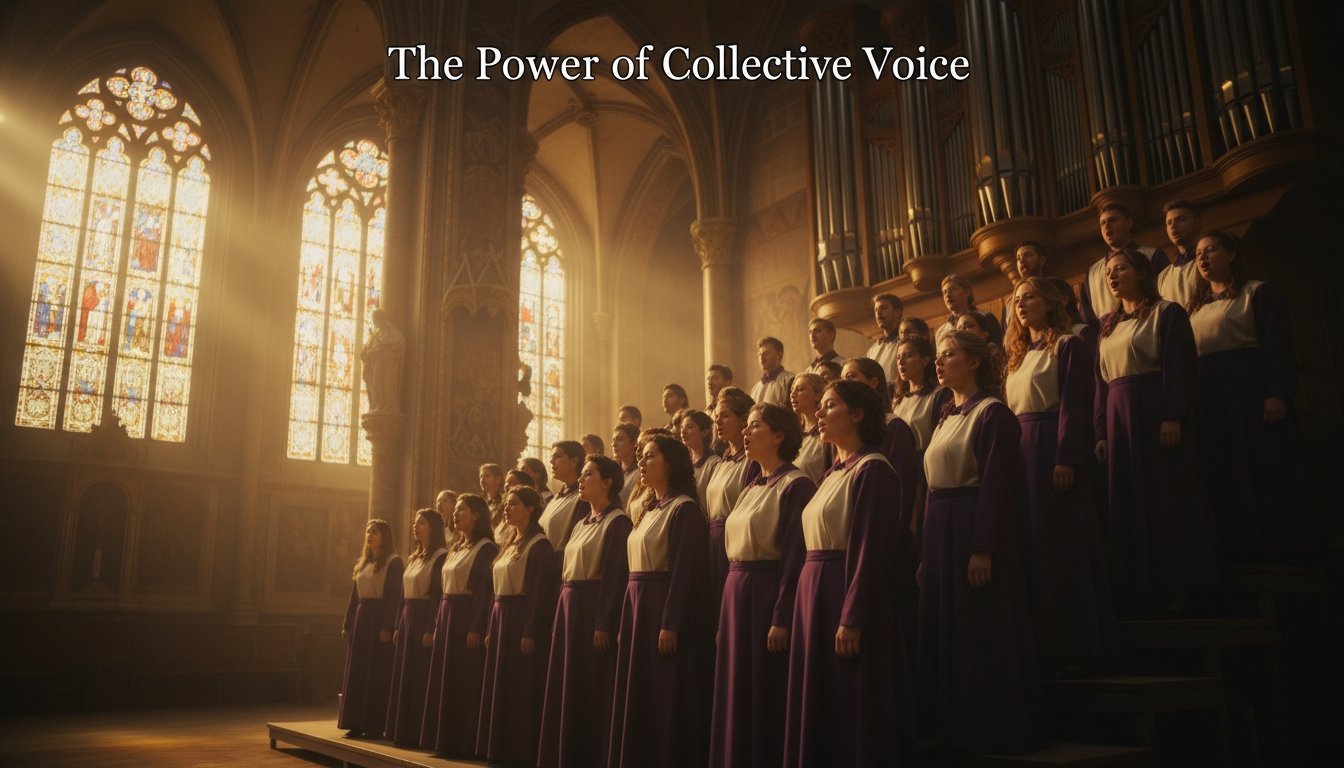
Beyond the joyful melodies and lyrics, Palm Sunday hymns and chants carry profound symbolic meaning that elevates communal worship. They unite the faithful, representing their shared journey and collective devotion. The hymns’ triumphant tones mirror Christ’s entry into Jerusalem, while the chants echo the people’s fervent praise. This communal experience fosters a deep sense of belonging, reminding worshippers they’re part of a larger spiritual community. The hymns and chants transcend individual voices, blending them into a harmonious chorus that honors the divine. This shared expression of faith strengthens the congregation’s bond and reinforces their common purpose in worship.
Connecting to Christian Tradition Through Liturgical Music
How do Sunday hymns and chants connect you to the rich Christian tradition? They immerse you in the timeless melodies and lyrics that have resounded through churches for centuries. These sacred songs aren’t mere entertainment – they’re a bridge to the devotion of generations past. As you sing along, you feel the weight of history and the unity of believers across time and space. The familiar refrains become a shared language, uniting you with Christians around the world. Whether it’s an ancient Gregorian chant or a modern praise chorus, these liturgical tunes remind you that you’re part of an unbroken line of faith. They root you in a tradition far greater than yourself, inviting you to add your own voice to the eternal hymn of the Church.
The Sensory Experience of Singing Hymns and Chants
When you sing hymns and chants, you feel a sense of spiritual transcendence.
The emotive melodies resonate deep within, evoking powerful emotions.
This sensory experience connects you to the sacred tradition in a profoundly meaningful way.
Spiritual Transcendence Through Chants
Why do the sensory elements of hymns and chants evoke a profound sense of spiritual transcendence?
The resonant harmonies and rhythmic cadences create an immersive aural landscape that transports you beyond the physical world.
The vibrations reverberate within, stirring emotions and igniting a connection to the divine.
The melodies, rich with symbolism, become a channel for your devotion, allowing you to ascend to higher realms of consciousness.
As you surrender to the sacred soundscape, you experience a profound sense of unity, where the boundaries between the material and the ethereal dissolve, leaving you in a state of profound spiritual enlightenment.
Emotional Resonance of Hymn Melodies
Deeply stirring, the melodies of hymns and chants evoke a profound emotional resonance within you. The soaring notes and harmonies tug at your heartstrings, eliciting feelings of reverence, awe, and connection to the divine. When you sing along, you’re not just reciting words – you’re engaging your senses, from the vibrations of your vocal cords to the goosebumps on your skin.
This sensory experience transcends the purely intellectual, allowing you to access deeper layers of spiritual meaning. The emotive power of hymn melodies speaks to your soul, moving you to tears or lifting your spirit, and reminding you of the transformative potential of sacred music.
The Communal Impact of Liturgical Music in Worship
Liturgical music in worship serves to profoundly unite the congregation, fostering a sense of communal identity and shared spiritual experience. As you sing or chant alongside your fellow worshippers, you’re not merely performing an individual act – you’re participating in a collective expression of faith.
The harmonies and rhythms bind you together, transcending the boundaries of individual voices. This communal aspect heightens the emotional and spiritual impact, allowing you to feel a deeper connection to the divine and to your spiritual community.
Whether it’s the soaring melodies of a hymn or the meditative cadence of a chant, the liturgical music you experience on Sundays cultivates a profound sense of unity, reminding you that your faith isn’t just a private journey, but a shared odyssey.
Frequently Asked Questions
How Do Hymns and Chants Influence Personal Spiritual Growth?
Hymns and chants can deepen your spiritual growth by helping you connect with the divine in a profound way. Through the soothing melodies and uplifting lyrics, you’ll find yourself transported to a higher plane, where you can commune with the sacred and tap into your innermost spiritual resources. The rhythmic nature of these traditions can also induce a meditative state, fostering personal reflection and growth.
Why Are Hymns and Chants Included in Easter Services?
Hymns and chants are included in Easter services to help worshippers celebrate and reflect on the significance of Christ’s resurrection. They evoke a sense of reverence, joy, and community, allowing you to actively participate in the service and deepen your spiritual connection.
These traditional elements have been used for centuries to enhance the Easter experience and reinforce the core tenets of the Christian faith.
What Is the Significance of Specific Hymn and Chant Lyrics?
Hymn and chant lyrics hold deep significance, often conveying themes of devotion, praise, and spiritual reflection. They connect you to the broader faith tradition, reminding you of the timeless truths and experiences shared by generations of believers. The carefully chosen words and melodies evoke emotions, deepen your connection to the divine, and provide a framework for communal worship.
How Do Hymns and Chants Foster a Sense of Community?
Hymns and chants foster a sense of community by uniting worshippers in shared expressions of faith. The rhythmic and melodic patterns encourage participation, allowing individuals to align their voices and connect through the communal experience.
This collective singing reinforces a shared identity, strengthening the bonds within the congregation.
What Are the Health Benefits of Regularly Singing Hymns and Chants?
Regularly singing hymns and chants can provide numerous health benefits. It improves your lung capacity, strengthens your immune system, and reduces stress and anxiety. The communal aspect of hymns and chants also fosters a sense of belonging, which positively impacts your mental wellbeing. Additionally, the rhythmic and repetitive nature of these practices can enhance your focus and concentration.
Conclusion
You’ll find that Sunday hymns and chants are deeply significant as they connect you to centuries of Christian tradition. They provide a sensory experience that transcends time, allowing you to truly participate in the communal worship. These sacred songs aren’t just words – they’re a means of expressing your faith and strengthening your bond with the church community.












No Comments