


20 Nov For I Know the Plans I Have for You Hope in Jeremiah 29:11
When you’re facing uncertainty, Jeremiah 29:11 offers God’s powerful promise that He hasn’t forgotten you. Originally spoken to Jewish exiles enduring seventy years in Babylon, these words reveal God’s unchanging character—He transforms hardship into hope and weaves purpose through your waiting seasons. You’re not abandoned in your struggles; God’s actively working behind the scenes, orchestrating circumstances for your ultimate good. His timeline may differ from yours, but His faithfulness remains certain as you discover how this ancient promise speaks directly to your modern challenges.
Table of Contents
Key Takeaways
- Jeremiah 29:11 was originally God’s promise to Jewish exiles in Babylon that their 70-year captivity would end with restoration to their homeland.
- The verse reveals God’s character: He has purposeful plans for His people even during hardship, discipline, and seasons of waiting.
- “Plans to prosper you and not to harm you” meant God would use the exile for refinement while guaranteeing their eventual return.
- Though originally a corporate promise to Israel, the principle applies today: God remains faithful and purposeful through our trials and uncertainties.
- Biblical hope means trusting God’s good intentions and perfect timing even when circumstances seem contrary to His promises.
The Historical Context of Babylon’s Captivity
When you encounter Jeremiah 29:11—”For I know the plans I’ve for you, declares the Lord, plans to prosper you and not to harm you, plans to give you hope and a future“—you’re reading words originally written to Jewish exiles in Babylon around 597 BC. These weren’t generic promises but God’s specific message to His displaced people facing an uncertain future.
The Babylonian exile had shattered everything they’d known. Nebuchadnezzar’s armies had torn them from Jerusalem, marching them hundreds of miles to a foreign land. You can imagine their despair as they settled into a pagan empire dominated by Neo Babylonian politics and strange gods.
Yet God hadn’t abandoned them. Through Jeremiah’s letter, He assured them their captivity wasn’t permanent—it’d last seventy years.
This timeline gave them hope while calling them to build lives in Babylon, knowing God’s redemptive plan was already in motion.

Understanding God’s Message to the Exiles
When you’re facing your own seasons of uncertainty, God’s words to the Jewish exiles reveal His heart for those who feel displaced and forgotten. He didn’t abandon His people in Babylon but spoke directly into their captivity with promises that transcended their immediate circumstances.
Through Jeremiah’s letter, you’ll discover that God’s message wasn’t just about eventual freedom—it was about His presence and purpose even in the midst of exile.
Historical Context of Exile
Although Jeremiah penned these famous words of hope while God’s people faced one of their darkest hours, understanding their situation helps you grasp the profound nature of God’s promise.
In 597 BC, Babylon’s royal deportation forced King Jehoiachin and thousands of Judah’s finest citizens into exile. You can imagine their devastation—torn from Jerusalem, the temple, and everything they’d known.
Through prophetic correspondence, Jeremiah addressed these exiles directly. While false prophets promised a quick return, God’s messenger delivered hard truth: they’d remain in Babylon for seventy years.
Yet within this difficult message, you’ll find extraordinary grace. God wasn’t abandoning His people. He was refining them, preparing something better.
When you’re facing your own exile seasons, remember that God’s plans transcend present circumstances.
God’s Promise Amid Captivity
God’s promise in Jeremiah 29:11 stands as a beacon of hope precisely because it came during captivity, not after deliverance. You’re seeing God’s covenantal reassurance pierce through the darkest moment of Israel’s history.
While the exiles struggled with their exilic identity in Babylon, God didn’t wait until their circumstances changed to speak words of hope.
He met them in their displacement, declaring His intentions for their welfare and future. You’ll notice He doesn’t minimize their present suffering but speaks directly into it.
This promise wasn’t conditional on their immediate freedom—it was God’s commitment despite their captivity. When you’re facing your own seasons of exile, remember that God’s promises aren’t dependent on perfect circumstances. He speaks hope into your present darkness, just as He did for those Babylonian captives.
Why Seventy Years of Waiting Mattered
When you’re waiting on God’s promises, seventy years can feel like an eternity—but God’s timeline wasn’t arbitrary or cruel.
He used those decades of exile to refine His people’s hearts, stripping away their dependence on earthly security while teaching multiple generations to trust Him in foreign lands.
Through this extended season, God demonstrated that His perfect timing accomplishes what rushed deliverance never could: complete transformation and unshakeable faith.
God’s Perfect Timing
Sometimes God’s timeline feels impossibly long when you’re in the midst of suffering. The seventy years of Babylonian exile weren’t arbitrary—they represented God’s divine punctuality in accomplishing His purposes. He needed time to discipline His people, prepare their hearts, and orchestrate world events for their return.
You’ll need timing discernment to recognize that God’s delays aren’t denials. While the exiles counted decades, God was working behind the scenes, raising up Cyrus and shifting empires. His perfect timing meant their children would return with fresh faith, unburdened by their parents’ idolatry.
When you’re waiting for God’s promises, remember that He sees what you can’t. His timing accounts for countless factors beyond your understanding, weaving together circumstances that will ultimately serve His glory and your good.
Refining Through Exile
Seventy years of exile transformed Israel from a nation riddled with idolatry into a people who’d never again worship foreign gods. You might wonder why God chose such a lengthy period for this exile refinement. The answer lies in His desire to cultivate deep, lasting change rather than surface-level compliance.
During those decades in Babylon, God’s people developed refining resilience that couldn’t have emerged through quick deliverance. They learned to maintain faith without the temple, discovered worship beyond rituals, and found identity beyond borders. You’ll notice that post-exile Israel never returned to widespread idolatry—the waiting had worked.
When you’re in your own wilderness season, remember that God’s timing isn’t punishment but preparation. He’s building something in you that quick fixes can’t produce.
Generational Faith Building
The seventy-year timeline ensured that those who’d witnessed Jerusalem’s fall would pass their hard-won wisdom to children born in captivity.
You can imagine grandparents teaching heritage rituals around Babylonian dinner tables, preserving sacred traditions while adapting to foreign soil. They couldn’t rely on temple ceremonies anymore—faith had to live in homes and hearts.
This legacy mentorship transformed a punishment into preparation.
Parents who’d lost everything taught children who’d never seen Jerusalem to love a homeland they’d only heard about. Through storytelling, prayer, and patient instruction, they built faith that could survive anywhere.
God’s seventy-year plan wasn’t just about waiting; it was about raising a generation humble enough to rebuild.
When you’re facing long seasons of difficulty, remember you’re not just enduring—you’re establishing foundations others will build upon.
Prosperity in the Midst of Exile
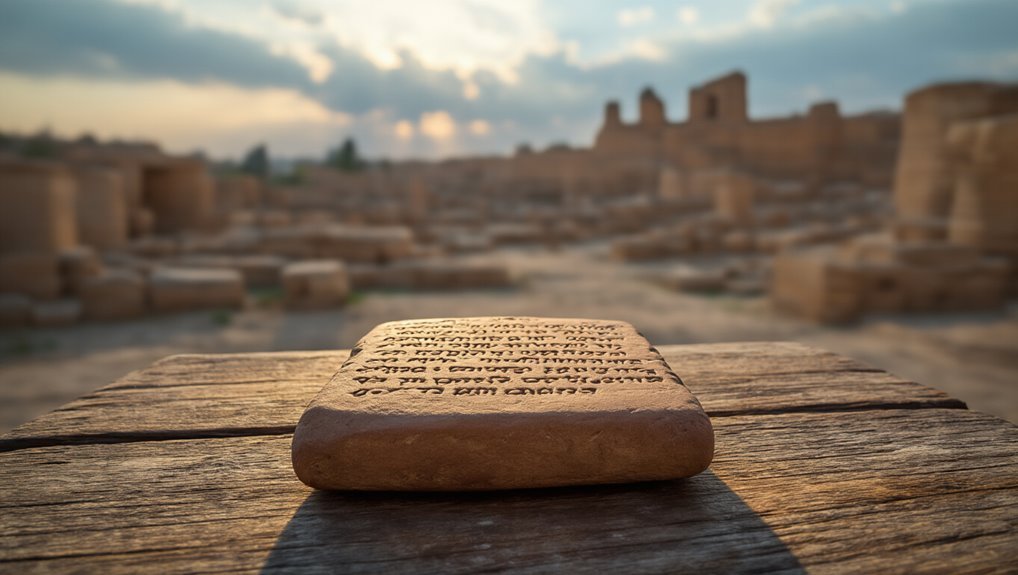
Exile strips away everything familiar—your home, your community, your sense of belonging—yet God’s promise to the Israelites in Babylon reveals something remarkable about His character. He doesn’t merely promise survival; He commands flourishing. “Build houses and settle down; plant gardens and eat what they produce” (Jeremiah 29:5).
You’re called to invest where you’ve been planted, even when it’s not where you’d choose.
This divine strategy demonstrates economic resilience through purposeful engagement rather than passive waiting. God’s people weren’t to isolate themselves but to seek their city’s welfare, understanding that their prosperity was linked to Babylon’s peace. Cultural adaptation didn’t mean compromising faith—it meant being salt and light in foreign soil.
When you face your own exile seasons—job loss, relocation, or unexpected transitions—remember God’s pattern. He transforms places of displacement into platforms for growth, teaching you that prosperity isn’t about location but about obedience to His presence.
The Promise of Return and Restoration
Beyond the call to prosper where you’ve been planted lies an even greater promise—God hasn’t forgotten His timeline for your deliverance. “When seventy years are completed for Babylon, I’ll come to you and fulfill my good promise to bring you back to this place” (Jeremiah 29:10).
This return promise isn’t vague hope but God’s scheduled appointment with your future. He’s already marked the calendar. Your current circumstances don’t negate His restoration assurance—they’re actually part of the journey home. You’re not permanently displaced; you’re temporarily positioned for a greater purpose.
Notice God says “I will come to you.” He doesn’t wait for you to find your way back. He initiates the rescue, fulfills the promise, and brings you home. Your exile has an expiration date written by the same hand that plans your welfare. While you’re building and planting in Babylon, God’s counting down to your deliverance. Trust His timing—your return is as certain as His word.
How This Ancient Promise Speaks to Modern Believers
You might wonder how a promise given to ancient exiles applies to your twenty-first-century struggles.
While God’s specific promise through Jeremiah addressed Israel’s return from Babylon, the principle behind it reveals His unchanging character. You’re not awaiting physical exile’s end, but you face your own wildernesses—job loss, illness, broken relationships, or spiritual drought.
God’s promise to the exiles teaches you about future resilience. Just as He sustained His people through seventy years of waiting, He’ll strengthen you through uncertainty. You’re learning what they learned: hope isn’t wishful thinking but anchored trust in God’s faithfulness.
Your communal identity matters here too. Ancient Israel waited together, supported one another, and maintained their faith collectively. You’re not meant to claim this promise in isolation. Within your church family, you share both struggles and hope, reminding each other that God’s plans transcend your immediate circumstances. His purposes for you remain good, even when the path seems unclear.
Distinguishing Between Individual and Corporate Promises
Understanding the difference between promises God made to specific people and those He makes to all believers can transform how you read Scripture.
Jeremiah 29:11 was originally spoken to the Israelites in Babylonian exile—a communal covenant addressing their collective future. Yet you’re not wrong to find hope in these words today.
Scripture contains both corporate promises to God’s people as a whole and individual assurances for each believer.
While Jeremiah’s prophecy specifically addressed Israel’s seventy-year captivity, the character of God it reveals applies universally. He’s still the God who plans good, not harm.
Your personal application of this verse isn’t misguided—it’s recognizing God’s unchanging nature.
The principle behind the promise remains: God sovereignly works through difficult circumstances for ultimate good. You can confidently claim this truth while respecting the text’s original context.
When you distinguish between direct promises and divine principles, you’ll discover Scripture’s richness without misappropriating what wasn’t meant for you.
Finding Hope When God’s Timeline Differs From Ours
In the waiting rooms of life, where God’s promises seem distant and your prayers feel unanswered, remember that divine timing rarely matches human expectations.
The Israelites waited seventy years for their return from exile—a lifetime for many who first heard Jeremiah’s prophecy. Yet God’s divine pacing served purposes they couldn’t initially see: purification, preparation, and the preservation of a remnant.
You’re called to patient trust when your timeline doesn’t align with heaven’s calendar. Abraham waited twenty-five years for Isaac. Joseph endured thirteen years between his dreams and their fulfillment. Timeline surrender isn’t passive resignation—it’s active faith that God’s “when” is as perfect as His “what.”
Hopeful endurance means believing that delays aren’t denials. While you wait, God’s working in ways you can’t perceive. He’s orchestrating circumstances, preparing hearts, and aligning details for His glory and your ultimate good.
Living Faithfully While Awaiting Fulfillment
Stewarding the present while hoping for the future requires intentional daily choices that honor God regardless of circumstances. You’re called to practice daily faithfulness even when you can’t see the full picture of God’s plan unfolding. This means choosing obedience in small moments—praying when you’d rather worry, serving when you’re weary, and trusting when answers seem distant.
Patient endurance isn’t passive waiting; it’s active participation in God’s purposes right where you are. Like the exiles building homes and planting gardens in Babylon, you’re invited to invest fully in today while holding onto tomorrow’s promises. Each act of faithfulness becomes a stepping stone toward fulfillment.
Scripture reminds you that “he who began a good work in you’ll carry it on to completion” (Philippians 6:1). Your role isn’t to rush God’s timeline but to remain steady, knowing that every faithful step matters in His redemptive story.
Frequently Asked Questions
What Does “Plans to Prosper You” Actually Mean in Hebrew?
The Hebrew word “shalom” translated as “prosper” means far more than material wealth—it’s about wholeness, completeness, and well-being in every area of your life.
The Hebrew nuance reveals God’s intent for your total flourishing: spiritual, emotional, and physical peace.
Within the literary context of exile, God wasn’t promising immediate riches but assuring you that He’s orchestrating your ultimate good, even through difficulties.
His plans encompass your complete restoration and peace.
Can I Claim Jeremiah 29:11 for My Personal Life Decisions?
You can find encouragement in Jeremiah 29:11‘s promise, but remember it was originally written to Israel in exile.
While God’s character of faithfulness applies to you, this verse doesn’t guarantee specific outcomes for your personal discernment. Instead, you’re called to seek God’s wisdom through prayer, Scripture, and community as you navigate your vocational calling. Trust that God works for your ultimate good, even when His plans differ from your expectations.
Why Do People Misuse This Verse on Graduation Cards and Motivational Posters?
You’ll find this verse becomes an inspirational cliché because it sounds perfect for personal encouragement when taken out of context. People naturally gravitate toward hopeful promises, especially during life transitions. They’re not trying to misuse Scripture—they’re genuinely seeking God’s comfort.
While God does have good plans for you, this specific promise addressed Israel’s exile. You can still trust God’s faithfulness, but ground your hope in verses addressing all believers today.
Does This Promise Apply to Christians or Only Ancient Israel?
You’re right to consider the covenant context – this promise was specifically given to exiled Israelites.
However, Scripture shows God’s faithful character throughout both testaments, and you can trust His sovereignty over your life. While the specific promise isn’t directly yours, the church application reveals God’s redemptive nature remains constant.
He works all things for good for those who love Him, offering you hope through Christ‘s better covenant promises.
What if My Life Circumstances Contradict This Verse’s Promises?
When you’re suffering and God’s promises seem distant, you’re experiencing legitimate doubt processing that Scripture acknowledges.
Job, David, and even Jesus cried out in anguish.
God’s “plans to prosper” don’t guarantee earthly comfort but ultimate spiritual good.
Your suffering theology must embrace that He works through trials, not around them.
Romans 8:28 reveals He’s redeeming your pain for purposes you can’t yet see.
Trust His character when you can’t trace His hand.
Conclusion
When you’re waiting in your own exile season, remember that God’s promises remain steadfast. Jeremiah 29:11 wasn’t just ancient history—it’s proof that He orchestrates hope through hardship. You’re not forgotten in your waiting. Plant deep roots where you are, trust His perfect timing, and hold tight to His word. The God who fulfilled His promise to bring Israel home is the same God working out His good plans for you today.





No Comments