

28 Feb What Are Monday-After-Resurrection Traditions Worldwide?
Across the globe, you’ll find vibrant Easter Monday traditions. Europe features centuries-old customs like the Czech Republic’s whipping rituals and Poland’s Śmigus-dyngus water festivities. The Americas blend religious observance with local folklore, from pilgrimages and processions in Latin America to unique events like the White House Easter Egg Roll. Charitable giving, cultural performances, and springtime rituals mark Easter Monday in Africa, East Asia, and Oceania. Dive deeper to explore the diverse tapestry of Monday-after-Resurrection celebrations around the world.
Key Takeaways
- Across Europe, Easter Monday celebrations blend religious significance with local folklore, including customs like decorative whipping in the Czech Republic and water fights in Poland.
- In Latin America, Easter Monday is often marked by religious processions, pilgrimages, and community-driven festivities that integrate with existing Holy Week practices.
- North American observances of Easter Monday feature unique regional events, such as the White House Easter Egg Roll in the United States.
- In Africa, Easter Monday celebrations emphasize charitable giving, community gatherings, cultural performances, and festive activities like egg hunts.
- Global trends show a blending of pagan fertility rites with Christian festivities, including dances, feasts, and rituals of cleansing and renewal.
Celebrating Easter Monday the Traditional European Way
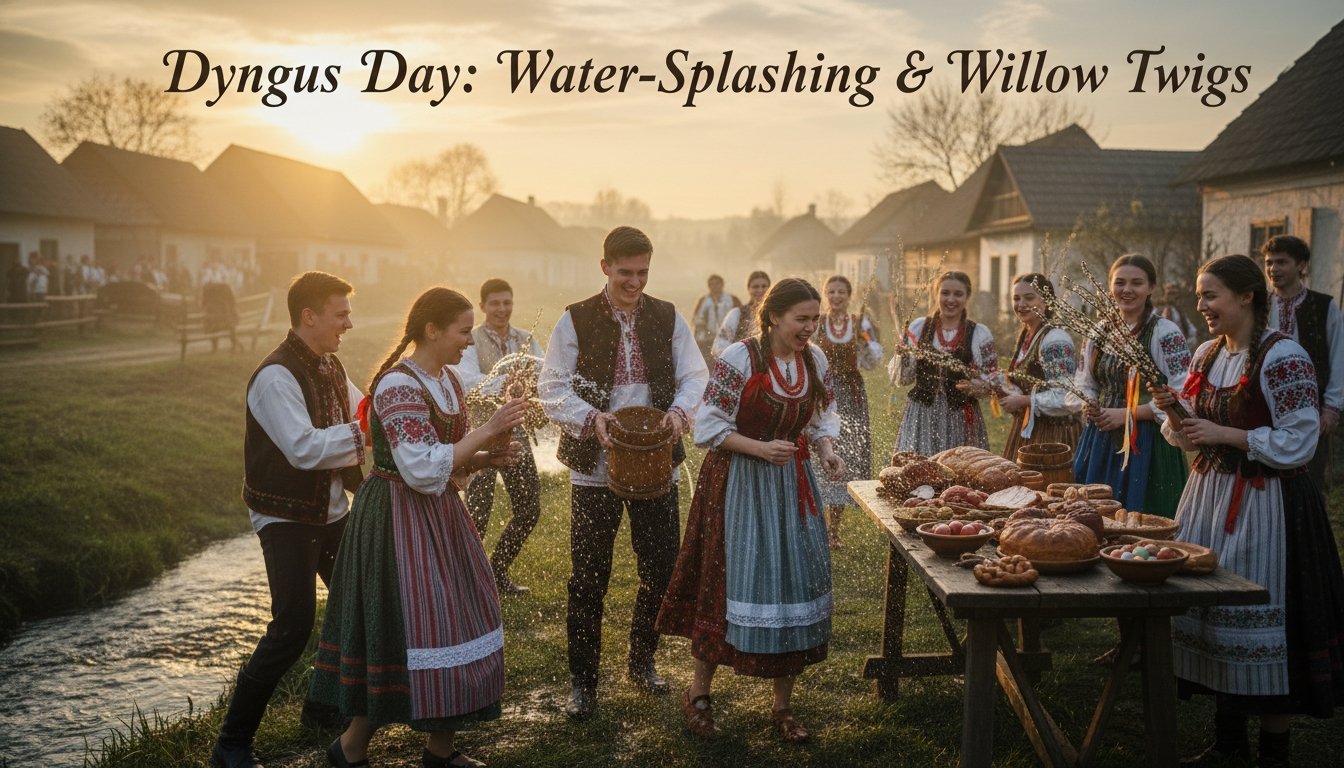
What’s the traditional European way of celebrating Easter Monday? Across the continent, the day after Easter Sunday is a public holiday, allowing families to enjoy the spring weather and spend quality time together. In some countries, you’ll find lively festivals with music, dancing, and traditional foods. For instance, in the Czech Republic, you may witness the centuries-old custom of men gently whipping women with decorated twigs, believed to bring youth and beauty. In Poland, the ritual of “Śmigus-dyngus” involves dousing each other with water, representing purification. These vibrant celebrations honor the resurrection of Jesus while embracing local folklore and community spirit. Whether it’s a peaceful picnic or a lively festival, Easter Monday in Europe is a cherished tradition, blending religious and cultural elements into a joyous celebration.
Unique Easter Monday Observances Across the Americas
Across the Americas, Easter Monday celebrations take on unique and captivating forms. In Brazil, families gather for Lavagem do Bonfim, a ritual washing of the steps of a historic church in Salvador.
Across the Americas, Easter Monday celebrations take on unique and captivating forms, such as the ritual washing of church steps in Brazil.
North of the border, Canadians enjoy an extra day off work, often spending it outdoors.
In the United States, some communities host egg hunts and parades, while others observe Dyngus Day, a Polish-American tradition of playful water fights.
Farther south, Mexicans may attend mass, picnic, or participate in traditional dances.
Meanwhile, in parts of the Caribbean, cricket matches and kite-flying are cherished Easter Monday customs.
Regardless of the specifics, these diverse observances reflect the rich cultural tapestry woven across the Americas.
Springtime Rituals and Superstitions in East Asia on Easter Monday
In East Asia, many celebrate Easter Monday with visits to temple shrines, where they decorate eggs and flowers as part of springtime rituals.
Families also prepare special dishes, believing certain foods bring good fortune on this auspicious occasion.
From China to Japan, these cherished traditions reflect the region’s reverence for nature and its cycles of renewal.
Visiting Temple Shrines
Why do East Asians often visit temple shrines on Easter Monday? It’s a tradition rooted in springtime rituals and superstitions. Many believe that making offerings and prayers at temple shrines on this day can bring good luck, prosperity, and spiritual renewal. It’s a time to connect with the divine, cleanse the soul, and seek blessings for the year ahead.
Temples are adorned with vibrant blooms, and crowds gather to light incense, ring bells, and participate in ceremonial rites. For many, it’s a sacred annual pilgrimage that reinvigorates the spirit and aligns the self with the changing of the seasons.
Decorating Eggs and Flowers
Alongside the fervent temple visits, East Asians have another cherished tradition on Easter Monday – the decorating of eggs and flowers.
You’ll find families gathering to dye, paint, and adorn eggs in vibrant hues and intricate designs.
Meanwhile, flowers are meticulously arranged into ornate bouquets and garlands.
These springtime rituals symbolize renewal, fertility, and hope.
Decorating eggs and flowers on this day isn’t just a delightful activity – it’s a meaningful expression of cultural heritage and spiritual beliefs.
From China to Korea, these practices have been passed down for generations, evolving over time yet enduring as cherished Monday-after-Resurrection traditions.
Eating Special Dishes
Across East Asia, families traditionally enjoy a variety of special springtime dishes on Easter Monday. In China, you’ll find steamed dumplings stuffed with pork and vegetables, symbolizing wealth and prosperity. Koreans, meanwhile, feast on japchae – sweet potato noodles with vegetables and beef. The Japanese delight in hanami bento, picnic boxes filled with sakura-themed treats like cherry blossom mochi. Elsewhere, Filipinos indulge in puto bumbong – purple rice cakes steamed in bamboo tubes. These vibrant, flavorful dishes honor the season’s rebirth, connecting communities through shared culinary traditions on this auspicious day.
How Africans Honor Easter Monday Through Charity and Community
In many African nations, Easter Monday is a time to come together as a community. People participate in charitable giving, using the day to donate to those in need. Festive celebrations, such as parades and cultural performances, also mark the occasion across the continent.
Community Gatherings
Africans across the continent honor Easter Monday through vibrant community gatherings. You’ll find neighbors and families coming together to share meals, play games, and celebrate the resurrection. These events foster a sense of unity and togetherness, reinforcing the values of community and mutual support. You might witness traditional dances, hear lively music, and see children playing joyfully.
These gatherings are more than just social events – they’re a way for Africans to express their faith and cultural heritage. Ultimately, they remind us of the importance of coming together, especially during significant religious holidays.
Charitable Donations
Beyond the joyous community gatherings, Africans also honor Easter Monday through acts of charity. They donate generously to local orphanages, food banks, and other organizations serving the less fortunate. It’s a time to reflect on Jesus’ teachings and share your blessings. You’ll see people volunteering at soup kitchens, collecting clothes and supplies for the homeless, and raising funds for medical care. Charity is a core tenet of African culture, and Easter Monday provides a meaningful opportunity to put it into practice. Through these compassionate acts, Africans strengthen their bonds and make a tangible difference in their communities.
Festive Celebrations
How do Africans celebrate Easter Monday through joyous community gatherings? They come together for lively festivals, parades, and music-filled celebrations. Vibrant costumes, traditional dances, and delicious feasts create a festive atmosphere. Families and friends bond over shared meals and laughter. Children delight in games, face painting, and Easter egg hunts. Communities organize charity drives, volunteering, and outreach to those in need. It’s a day to rejoice, give back, and strengthen social ties. Across the continent, Africans honor this sacred holiday by embracing its spirit of renewal, unity, and joy.
Blending Pagan and Christian Traditions on Easter Monday in Oceania
What traditions have emerged from the blending of pagan and Christian observances on Easter Monday in the islands of Oceania? On this day, many islanders combine ancient fertility rituals with Christian festivities. You’ll see traditional dances, feasts, and games that draw from both spiritual legacies. For example, some communities reenact the resurrection through costumed pageants, then transition into lively celebrations with music, food, and communal activities. Others take this opportunity to cleanse and renew their homes and lands, blending pagan purification rites with prayers for rebirth. Across Oceania, you’ll find a vibrant tapestry of customs that honor the diverse cultural heritage of the region on this day after Easter.
The Evolving Global Landscape of Easter Monday Celebrations
Across the globe, the traditions observed on Easter Monday have continued to evolve, reflecting the diverse cultural tapestry of each region. In Europe, many nations celebrate with lively festivals, parades, and the exchange of colorful eggs. Conversely, in Latin America, the day often features pilgrimages and religious processions. Meanwhile, in parts of Africa, the emphasis shifts to community gatherings and feasts. Even in North America, where the holiday isn’t as widely observed, some areas have developed unique customs like the annual White House Easter Egg Roll. Regardless of location, the shared thread is the desire to commemorate the post-Resurrection period through meaningful traditions that have adapted to local contexts over time.
Frequently Asked Questions
What Is the Significance of Easter Monday Traditions Worldwide?
Easter Monday traditions worldwide signify the day after the resurrection of Jesus Christ. They often involve family gatherings, feasting, and recreational activities. In some countries, it’s a public holiday, allowing people to enjoy the spring weather and celebrate the hope and renewal associated with the Easter season.
How Do Easter Monday Celebrations Vary Across Different Cultures?
Easter Monday celebrations vary widely across cultures. In some places, it’s a day of rest and reflection, while in others, there are parades, egg hunts, and feasting.
In parts of Europe, egg rolling and other games are common.
In the Philippines, people reenact the Passion of Christ.
Traditions are deeply rooted in regional customs and beliefs.
What Are the Origins of Common Easter Monday Observances?
The origins of common Easter Monday observances stem from religious and cultural traditions. In many Christian countries, it’s a day to spend time with family, attend church services, and engage in outdoor activities like egg rolling or hunts. In some regions, people visit cemeteries to honor the deceased. Festive meals, music, and dancing are also common celebrations on this day commemorating Christ’s resurrection.
How Do Easter Monday Traditions Reflect Local Beliefs and Customs?
Easter Monday traditions reflect local beliefs and customs worldwide. In parts of Europe, people engage in egg-rolling contests or enjoy outdoor picnics.
In the Philippines, some visit cemeteries to honor the dead.
In Jamaica, there are parades, music, and feasting.
These traditions showcase the diversity of how communities celebrate the resurrection of Christ and the arrival of spring.
What Is the Relationship Between Easter Monday and Spring Festivals?
The relationship between Easter Monday and spring festivals is that many Easter Monday traditions reflect the seasonal renewal and rebirth associated with spring.
From egg-rolling to outdoor gatherings, these customs often have roots in older pagan spring festivals that were later incorporated into the Christian celebration of Easter.
The Monday after Easter continues this theme of celebrating the arrival of spring.
Conclusion
You’ll find diverse Easter Monday traditions worldwide, from European springtime rituals to American community celebrations. Across Asia, Africa, and Oceania, the day blends pagan and Christian elements. As global culture evolves, these Easter Monday observances continue adapting, reflecting the rich tapestry of human faith and community.










No Comments