


29 Mar How to Memorize Hope Filled Bible Verses
Pick a short, hopeful verse—no more than fifteen words—from Psalms, Proverbs, or the Gospels, write it down, and note why it resonates. Create a vivid visual cue, like a sunrise over a stormy sea, and pair each key phrase with an image element. Say a brief prayer that mirrors the verse’s promise while looking at the picture, then rehearse the line aloud three times a day. Track your confidence in a simple notebook, and soon you’ll notice the verse sticks effortlessly.
Choose a Hope‑Filled Verse to Memorize
A hopeful verse can become your daily anchor, so start by picking one that speaks directly to your heart. Scan the Psalms, Proverbs, or the Gospels for promises of renewal, peace, or strength. When a line stirs you, write it down, note the chapter, and reflect on why it resonates—perhaps it mirrors a current struggle or a future hope. Choose a verse no longer than fifteen words; brevity aids recall. Test it aloud; if the rhythm feels natural, you’ve found a good candidate. Keep a notebook or phone note dedicated to your chosen verse, and revisit it each morning. By selecting a passage that feels personal, you create an emotional hook that fuels memorization. This intentional choice sets the stage for deeper engagement, turning a simple line into a source of daily encouragement.
Use Visual Mnemonics to Memorize Scripture
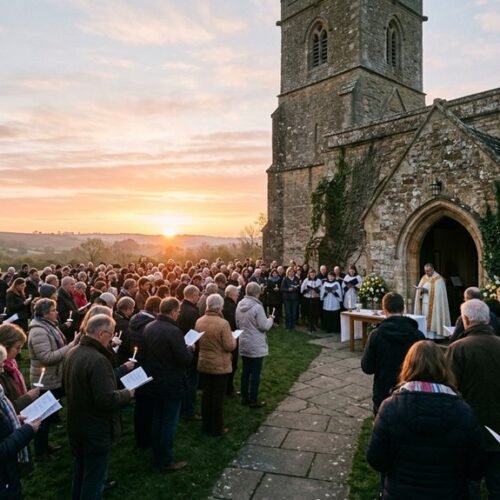
Images can anchor a verse in your mind far better than words alone. When you picture a scene that mirrors the verse’s promise, your brain stores it as a vivid snapshot. For example, imagine a sunrise breaking over a stormy sea to memorize “His mercies are new every morning” (Lamentations 3:23). Sketch the image, use a photo, or create a simple doodle; the visual cue becomes a mental trigger. Pair each key phrase with a distinct element: a dove for peace, a lighthouse for guidance, a blooming rose for love. As you rehearse the verse, glance at the picture and let the image fill in the words. This technique taps into the brain’s visual‑spatial memory, which is far stronger than rote repetition. Over time, the picture and the scripture fuse, letting you recall the verse instantly, even in stressful moments.
Pair the Verse With Prayer for Daily Reinforcement
Having anchored the verse with a vivid image, you now strengthen it by pairing it with a short, heartfelt prayer you repeat each day. Choose a prayer that mirrors the verse’s promise and your personal need. For example, if you memorized Jeremiah 29:11, pray, “Lord, I trust Your plans for me; guide me in hope.” Keep the wording simple, no more than one sentence, so it sticks alongside the scripture. Say the prayer aloud while you visualize the image, then silently rehearse the verse. Make this a routine—morning, lunch, or bedtime—so the prayer and verse reinforce each other. Over time, the prayer becomes a cue that instantly pulls the verse into your mind, turning hope into a lived reality rather than a distant thought. Consistency turns the pair into a powerful, daily reminder of God’s faithfulness.
Apply Chunk‑and‑Repeat to Memorize Longer Passages
Ever wondered how to lock down a whole chapter without feeling overwhelmed? Break the passage into bite‑size chunks—four to six lines each—then repeat each chunk until it sticks. Start with the first chunk, read it aloud, then cover it and recite from memory. If you stumble, glance quickly, then try again. Once you can recite the first chunk flawlessly, add the next one, and practice the two together. Continue this pattern, stacking chunks until the entire passage flows naturally. Use a timer to keep sessions short—five to ten minutes—so focus stays sharp. Review previous chunks before adding new ones; this reinforces earlier material and builds a seamless mental chain. After you’ve mastered the whole passage, test yourself by recalling it in reverse order or by reciting it while walking. This systematic, repeat‑focused method turns long verses into manageable, memorable pieces.
Add Music or Apps to Support Memorization
Music and apps can supercharge your verse‑memorizing routine by turning repetition into a rhythmic, interactive experience. Pick a favorite worship song and match its tempo to the verse’s cadence; humming or tapping while you recite creates a memory anchor. Apps like Scripture Memory or Verses Vault let you set flash‑card intervals, track streaks, and shuffle verses for varied exposure. Use a metronome or drum‑beat app to keep a steady pulse, then sing the line on each beat—this syncs auditory and motor memory. Many apps also offer audio recordings of the verses; listen repeatedly while commuting or exercising, letting the words embed subconsciously. If you enjoy visual cues, enable lyric‑highlighting features that scroll in time with the audio. Combine these tools with short, focused sessions—five minutes of singing, five minutes of spaced‑repetition—to reinforce recall without burnout. The result is a dynamic, joyful memorization habit that sticks.
Test Memorization in Real‑World Situations
When a crisis hits, you’ll notice how quickly the verses you’ve rehearsed surface in your thoughts.
Make it a habit to pause during your daily walk‑through and silently recite a line, checking its accuracy each time.
This real‑world testing builds confidence and keeps the hope‑filled words ready for any moment.
Every Tested in Crisis
Why does a verse suddenly feel like a lifeline during a crisis? You notice its power when panic spikes and your mind scrambles for stability. The memorized words become an instant anchor, shifting focus from fear to faith.
In a car accident, a sudden crash can trigger the verse you rehearsed, calming your breath and sharpening your thoughts.
During a job loss, the same line steadies you, reminding you that hope isn’t fleeting.
When illness strikes, the memorized promise steadies you and giving a purpose to.
Daily Walk‑Through Recall
After you’ve proven a verse can stead you in crisis, put it to work every day by rehearsing it in ordinary moments. When you’re waiting in line, whisper the line to yourself; when you’re driving, sync the words with the rhythm of the road. Turn chores into memory drills: count dishes while recalling the promise, fold laundry while visualizing the scene the verse paints. Use ambient cues—an alarm, a song, a coffee scent—to trigger recall. If a conversation drifts toward doubt, pause, insert the verse, and let its truth settle. By embedding scripture into daily routines, you transform fleeting thoughts into a constant, living anchor that guides every step.
Track Your Memorization Progress With a Simple Tracker
Ever wondered how to see your growth at a glance? Grab a notebook or a spreadsheet and list each verse you’re learning. Create columns for “Verse,” “Date Started,” “Date Mastered,” and a simple rating from 1 to 5 indicating how confidently you recall it. As you practice, update the rating; when you hit a 5, move the date to “Date Mastered.” This visual log shows patterns—maybe you master Psalms faster than Proverbs—so you can adjust study time accordingly.
Add a weekly check‑in: tally how many verses reached “5” and celebrate the count. If a verse stalls at a low rating, schedule extra review sessions or pair it with a prayer meditation. Over months, the tracker becomes a timeline of spiritual growth, reminding you that each small step builds lasting hope. Keep it simple, stay consistent, and watch your memorization soar.
Frequently Asked Questions
How Many Verses Can I Realistically Memorize in a Month?
You can realistically memorize about ten to fifteen verses in a month if you study a few minutes daily, repeat them aloud, and review them in spaced intervals.
Use flashcards, write them in a journal, and attach them to everyday objects for quick recall.
Consistency beats cramming, so stick to a steady routine and you’ll see steady progress without feeling overwhelmed.
Is It Better to Memorize in the Original Language or Translation?
You’ll benefit more from memorizing in the original language if you understand it, because the nuances and poetry often get lost in translation. If you’re not fluent, start with a reliable translation to lock the meaning, then gradually compare key words to the original text. This dual approach keeps the verse’s power while deepening your grasp of its authentic voice.
Can I Use Digital Flashcards Without Losing Spiritual Focus?
Yes, you can use digital flashcards and stay spiritually focused. Choose a simple app, limit notifications, and set a quiet time for each session. Pair each card with a brief prayer or reflection, so the technology serves the meditation rather than distracts. Keep the screen brightness low, avoid multitasking, and treat the cards as tools for worship, not entertainment. This way the devices enhance, not hinder, your devotion.
What if I Forget a Verse During a Crisis?
If you forget a verse during a crisis, pause, breathe, and trust that God’s presence remains even if the words slip.
Quickly open your phone or a notebook where you’ve saved the verse, read it aloud, and let the truth settle in your heart.
Repeating it a few times restores confidence, and the habit of reviewing daily will make those promises easier to recall next time.
Do I Need to Recite Verses Aloud to Retain Them?
You don’t have to recite aloud, but speaking the verses helps lock them in. When you say the words, you engage hearing and muscle memory, which reinforces recall. Try whispering or mouthing them while you read, then repeat silently later.
Mix both methods—listen to a recording, write them down, and rehearse mentally. This varied practice builds stronger neural pathways, so you’ll remember the verses when you need them most.
Conclusion
By picking a hopeful verse, visualizing it, pairing it with prayer, chunking it, using music or apps, testing it daily, and tracking your progress, you’ll embed God’s encouragement deep in your mind. This active, multi‑sensory approach turns memorization into a living habit, so the promise stays with you wherever you go, strengthening your faith and uplifting your heart each day.











No Comments