

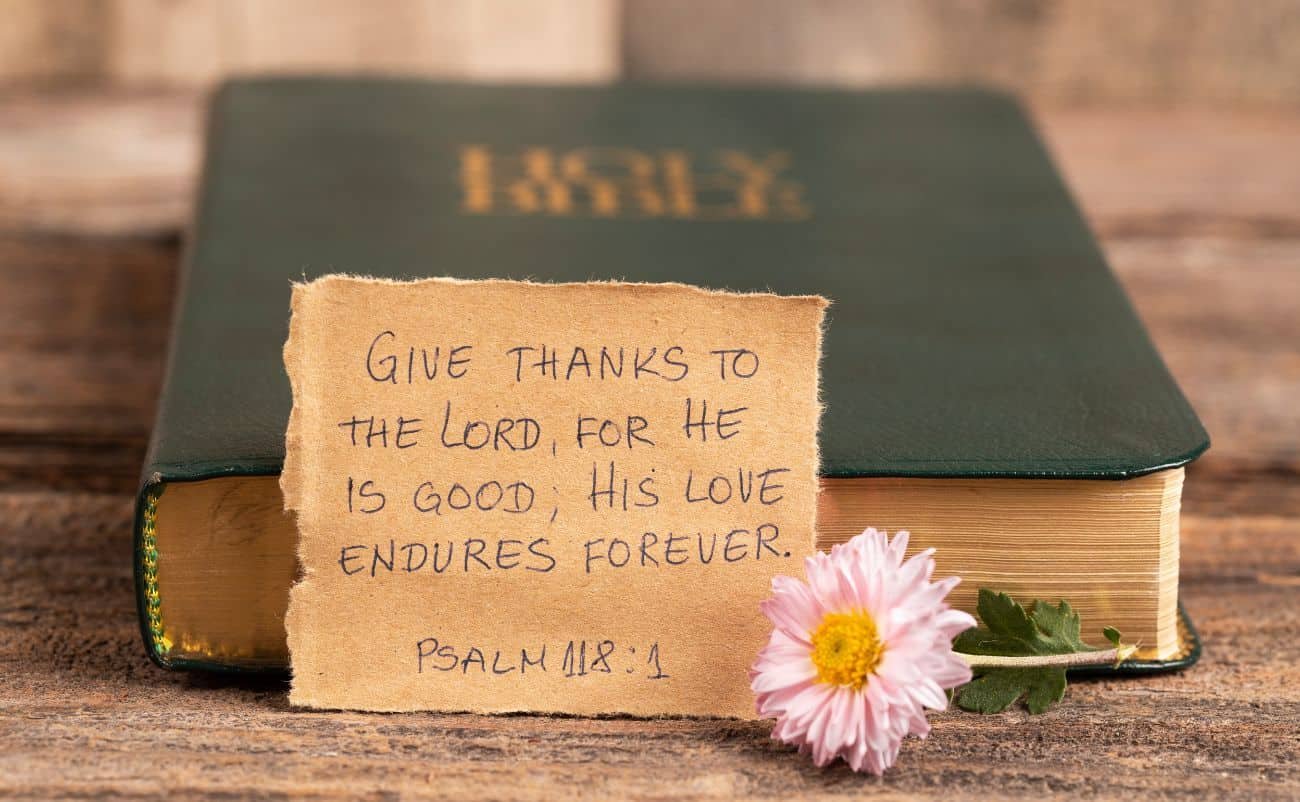
19 Sep Inspiring Franklin Graham Quotes on Faith and Life
You’ll find Franklin Graham’s most powerful quotes center on salvation through Jesus Christ alone, with declarations like “There’s no other way to God except through the cross of Christ.” He’s known for controversial political statements supporting Trump’s presidency and opposing same-sex marriage, generating millions of social media interactions. His quotes about America’s moral decline, religious freedom, and traditional family values spark intense debate between supporters who see him defending Christian doctrine and critics who view his statements as discriminatory. His words continue shaping evangelical discourse nationwide.
Key Takeaways
- “Salvation is found in no one else but Jesus Christ” – emphasizing exclusive faith in Jesus for eternal life
- “There aren’t multiple paths to God—there’s only one” – asserting Christianity as the sole way to salvation
- “Without the shedding of blood, there’s no forgiveness of sins” – highlighting Christ’s sacrifice as necessary for redemption
- I am the way, the truth, and the life” (John 14:6) – frequently quoted Bible verse in Graham’s sermons
- “Sin, not guns” is the root problem – his controversial statement on gun violence and mass shootings
Most Powerful Franklin Graham Quotes on Faith and Salvation

Franklin Graham’s most influential statements on faith and salvation reflect his evangelical conviction that Christianity offers the only path to eternal life. You’ll find his quotes emphasize accepting Jesus Christ as personal savior, a cornerstone belief he’s maintained throughout his ministry.
“Salvation is found in no one else but Jesus Christ,” he frequently states, echoing his father Billy Graham’s teachings.
When you examine Graham’s theological statements, you’ll notice his consistent focus on repentance and spiritual transformation. He’s declared that “without the shedding of blood, there’s no forgiveness of sins,” referencing biblical doctrine about Christ’s sacrifice.
His quotes often address contemporary audiences struggling with faith, urging immediate decision-making about salvation.
Critics argue Graham’s exclusivist approach dismisses other religious traditions, while supporters view his clarity as biblically faithful. You’ll see his quotes widely shared across evangelical communities, particularly his assertion that salvation can’t be earned through good works but comes through grace alone.
Franklin Graham’s Controversial Political Statements That Made Headlines
While evangelical leaders have historically maintained varying degrees of political engagement, you’ll find Franklin Graham’s public statements have positioned him as one of the most politically outspoken religious figures of the 21st century.
You’ve likely encountered Graham’s controversial remarks supporting Donald Trump’s presidency, including his 2016 statement calling Trump’s election “the hand of God.”
He’s defended Trump’s immigration policies, particularly the travel ban affecting Muslim-majority countries, arguing they’re necessary for national security.
Graham defended Trump’s travel ban on Muslim-majority countries as essential for protecting national security interests.
Graham’s criticized same-sex marriage legislation and transgender rights, stating they contradict biblical teachings.
His social media posts have sparked backlash, especially when he’s suggested Islam inherently promotes violence or when he’s blamed natural disasters on America’s “moral decline.”
You’ll notice mainstream media outlets frequently cover his statements, while critics argue he’s politicized Christianity.
Supporters counter that he’s defending traditional values.
These positions have led some venues to cancel his events and prompted petitions against his crusades in various cities.
Graham’s Bold Declarations About America’s Moral Direction
America’s spiritual compass has veered dangerously off course, according to Graham’s repeated warnings about the nation’s trajectory.
You’ll find his declarations center on what he perceives as moral decay in American institutions, from government to education. He’s specifically targeted the removal of prayer from schools, same-sex marriage legalization, and what he calls society’s rejection of biblical values.
Graham’s statements often link national disasters and societal problems to America’s departure from Christian principles. He’s proclaimed that God’s judgment awaits unless the country returns to its religious foundations.
These declarations typically coincide with major cultural shifts or political decisions that conflict with evangelical interpretations of scripture.
While supporters view Graham’s warnings as prophetic truth-telling, critics argue he’s conflating personal religious beliefs with public policy.
Religious scholars note that his apocalyptic rhetoric mirrors historical evangelical responses to social change, though Graham’s platform amplifies these messages to millions through social media and public appearances.
Memorable Quotes From Franklin Graham’s Evangelistic Crusades
When you examine Franklin Graham’s crusade messages, you’ll find his most powerful quotes center on humanity’s need for salvation exclusively through Jesus Christ.
He’s consistently proclaimed that “there’s no other way to God except through the cross of Christ,” while emphasizing that genuine repentance must precede spiritual transformation.
These declarations have formed the foundation of his evangelistic appeals, where he’s called millions to abandon their sins and embrace what he describes as the only path to eternal life.
Salvation Through Christ Alone
Throughout his decades of evangelistic crusades spanning continents and cultures, Franklin Graham has consistently proclaimed that salvation comes exclusively through faith in Jesus Christ—a message he considers non-negotiable despite increasing cultural pressure to embrace religious pluralism.
You’ll find Graham’s most direct statements on this doctrine in his festival messages, where he frequently quotes John 14:6: “I am the way, the truth, and the life. No one comes to the Father except through Me.”
He’s repeatedly stated, “There aren’t multiple paths to God—there’s only one, and that’s through the cross of Christ.” This exclusivist position has drawn criticism from interfaith dialogue advocates, yet Graham maintains it’s central to biblical Christianity.
His crusade invitations consistently emphasize personal faith in Christ’s death and resurrection as humanity’s sole means of reconciliation with God.
Repentance and Spiritual Renewal
While Graham’s crusades emphasize salvation’s exclusivity through Christ, he equally stresses that genuine faith requires turning away from sin and experiencing God’s transformative power in daily life.
You’ll hear him declare, “Repentance isn’t just feeling sorry—it’s changing direction completely,” a message he’s delivered to millions worldwide since beginning his evangelistic ministry in 1989.
His crusades consistently feature testimonies of radical life changes—former addicts, broken families, and desperate individuals who’ve found renewal through faith.
Graham doesn’t soften his approach: “God won’t force you to change, but He’ll give you the power when you surrender.”
This emphasis on spiritual transformation extends beyond individual conversion to societal impact, as he’s challenged audiences to become agents of change in their communities through renewed faith and moral conviction.
Franklin Graham on Prayer and Its Role in National Healing
As evangelical leader Franklin Graham has built his ministry over decades, he’s consistently emphasized prayer as the primary solution to America’s social and political divisions.
You’ll find his public statements regularly call for national prayer rallies, often linking contemporary crises to what he describes as spiritual decline. Graham’s approach reflects a broader evangelical belief that prayer can directly influence national outcomes, from elections to natural disasters.
When you examine Graham’s prayer events, they’ve drawn tens of thousands across multiple cities, though critics argue he conflates religious practice with partisan politics.
His “Decision America” tours explicitly merged prayer meetings with voter registration drives. Graham maintains that prayer isn’t merely personal devotion but a mechanism for societal transformation, frequently citing 2 Chronicles 7:14’s promise of national healing through prayer.
This theological framework shapes how he responds to everything from mass shootings to Supreme Court nominations, consistently prescribing prayer as the essential first step.
His Most Shared Social Media Posts and Their Impact
You’ll find Franklin Graham’s social media presence generates significant engagement, with his prayer-focused posts often reaching millions and receiving hundreds of thousands of shares across Facebook and Twitter.
His political commentary posts, particularly those addressing moral issues and supporting conservative candidates, typically spark intense debate and have been amplified by both supporters and critics in mainstream media coverage.
While his viral posts have mobilized evangelical voters and shaped religious discourse online, they’ve also drawn fact-checks from platforms and criticism from religious leaders who argue his messaging sometimes conflates partisan politics with Christian faith.
Viral Prayer Posts
Prayer posts have become Franklin Graham’s most powerful tool for digital evangelism, regularly reaching millions of followers across Facebook, Twitter, and Instagram.
You’ll find his most viral prayers often respond to national tragedies, natural disasters, or political tensions, generating hundreds of thousands of shares within hours. His 2020 prayer for COVID-19 victims reached over 3 million people, while his calls for national repentance during social unrest garnered similar engagement.
You should note that Graham’s prayer posts typically follow a formula: urgent language, biblical references, and direct calls to action.
Critics argue he politicizes prayer, particularly when addressing controversial topics like abortion or LGBTQ+ rights. Supporters counter that he’s fulfilling his pastoral duty to address moral issues.
Analytics show his prayer content receives 300% more engagement than his standard posts.
Political Commentary Reach
When Franklin Graham comments on political issues, his posts frequently achieve viral status that surpasses traditional media reach, with his most controversial statements generating millions of interactions within 24 hours.
You’ll find his election-related posts typically garner 2-3 million engagements, while statements on Supreme Court decisions or religious liberty often exceed 5 million shares across platforms.
His commentary reaches beyond his 10 million direct followers through algorithmic amplification and media coverage.
When he addresses immigration, abortion, or LGBTQ policies, you’re seeing engagement rates that rival major news outlets.
Data shows his political posts receive 400% more interactions than his ministry content.
This reach translates into measurable influence—his endorsements correlate with polling shifts in evangelical voters, and his criticism of policies often precedes organized religious opposition movements.
Graham’s Perspective on Religious Freedom and Christian Persecution
As one of America’s most prominent evangelical voices, Franklin Graham has consistently framed religious liberty as a fundamental right under assault, particularly for Christians in both domestic and international contexts.
You’ll find his statements regularly highlight persecution cases in countries like North Korea, China, and Middle Eastern nations where Christians face imprisonment or death.
Graham’s domestic concerns focus on what he perceives as governmental overreach affecting Christian businesses, healthcare providers, and educational institutions.
He’s argued that anti-discrimination laws conflict with biblical teachings, particularly regarding LGBTQ issues and abortion access.
Critics contend he conflates religious freedom with the ability to discriminate, while supporters view his stance as defending constitutional protections.
His organization, Samaritan’s Purse, operates in regions where Christians face genuine persecution, lending credibility to his international advocacy.
However, fact-checkers note Graham sometimes overstates threats to American Christians, comparing inconveniences to systematic oppression experienced elsewhere.
Notable Quotes About Family Values and Traditional Marriage
You’ll find Graham’s statements on family values consistently emphasize three core themes that shape his public ministry.
He frames marriage as a divinely ordained covenant between one man and one woman, citing Genesis as the foundational text for this belief while acknowledging that American society holds diverse views on this issue.
His quotes about parental responsibilities and faith’s role in family life reflect both traditional evangelical teachings and his response to contemporary cultural shifts around gender roles and family structures.
Biblical Marriage Foundation
Franklin Graham’s perspectives on biblical marriage have sparked both support and criticism across religious and secular communities, particularly his assertion that marriage should remain exclusively between one man and one woman.
You’ll find his views rooted in literal interpretations of Genesis 2:24 and Matthew 19:4-6, which he cites as divine blueprints for matrimony. Graham’s foundation emphasizes complementary gender roles, procreation’s centrality, and marriage’s covenant nature before God.
While evangelical conservatives embrace these teachings, you should know they’ve faced pushback from progressive Christians who interpret scripture differently. Critics argue his stance marginalizes LGBTQ+ individuals and divorced persons.
Supporters counter that he’s preserving traditional Christian doctrine. His Billy Graham Evangelistic Association promotes these beliefs through marriage conferences and counseling programs nationwide.
Parental Roles Today
When examining Franklin Graham‘s quotes about parental roles, you’re encountering his belief that mothers and fathers fulfill distinct, God-ordained functions within the family structure.
He’s frequently stated that fathers should lead their households spiritually while mothers nurture children’s emotional development.
You’ll find his views reflect traditional evangelical interpretations of biblical passages like Ephesians 5:23 and Proverbs 31.
Graham’s perspective contrasts with contemporary sociological research showing successful parenting across diverse family structures.
While he advocates for complementary gender roles, you’re seeing growing evidence that effective parenting depends more on consistency, love, and stability than specific gender assignments.
His statements often generate debate between those who share his theological framework and those who point to single-parent families, same-sex couples, and egalitarian marriages that successfully raise children.
Faith in Family
Graham’s public statements about family values extend beyond parenting roles to encompass his broader vision of faith-centered households and traditional marriage. You’ll find his quotes consistently emphasize biblical foundations for family structures, often citing scripture to support his positions on marriage between one man and one woman.
When examining Graham’s statements, you should consider the denominational context from which he speaks. His evangelical perspective shapes declarations like “God’s definition of marriage is between a man and a woman” and his frequent assertions that strong families require spiritual leadership.
You’ll notice Graham’s family-focused quotes often address contemporary social issues, positioning traditional Christian values against secular cultural shifts. His statements reflect broader evangelical concerns about family dissolution, though critics argue his positions don’t account for diverse family structures existing within Christian communities themselves.
Franklin Graham’s Words During Times of National Crisis
During major national tragedies and pivotal moments in American history, Franklin Graham has consistently positioned himself as a prominent evangelical voice, offering spiritual commentary that often generates both widespread support and significant controversy.
You’ll find Graham’s responses to crises follow predictable patterns. After 9/11, he called Islam “a very evil and wicked religion,” later softening but maintaining critical views. Following mass shootings, he’s emphasized prayer while opposing gun control measures, arguing the problem is “sin, not guns.”
During COVID-19, he initially promoted vaccines but criticized government mandates, mixing medical and religious messaging.
His hurricane and natural disaster responses typically combine practical relief efforts through Samaritan’s Purse with theological interpretations about God’s judgment or America’s need for repentance.
You should note that critics argue his statements sometimes politicize tragedies, while supporters view him as courageously speaking biblical truth when the nation needs spiritual guidance most.
His Vision for the Future of Christianity in America
While many evangelical leaders express concern about Christianity’s declining influence in America, Franklin Graham articulates a vision that combines urgent warnings with calls for spiritual revival and political engagement.
You’ll find his perspective centers on America returning to what he considers its Christian foundations. He frequently states that the nation’s moral decline stems from abandoning biblical principles in public life.
Graham envisions Christianity’s future requiring believers to become more politically active, particularly in voting for candidates who support traditional values.
He’s advocated for prayer in schools, religious liberty protections, and opposition to what he terms “secular progressive agendas.”
His vision includes massive evangelistic efforts, like his Decision America tours, aimed at mobilizing Christians across all fifty states.
Critics argue you’re seeing a conflation of nationalism with faith in his messaging.
Supporters counter that he’s defending religious freedom against cultural hostility.
Graham maintains that Christianity’s survival in America depends on believers boldly proclaiming their faith despite societal opposition.
Frequently Asked Questions
How Does Franklin Graham’s Preaching Style Compare to His Father Billy Graham’s?
You’ll notice Franklin Graham’s preaching differs markedly from his father Billy’s approach.
While Billy focused on evangelism with broad appeal and avoided partisan politics, Franklin combines gospel messages with controversial political commentary.
You’d find Billy’s style more diplomatically inclusive, emphasizing personal salvation, whereas Franklin’s more confrontational, addressing cultural issues directly.
Franklin’s inherited his father’s passion but delivers it through sharper, more divisive rhetoric that’s polarized audiences Billy once united.
What Is Franklin Graham’s Educational Background and Theological Training?
You’ll find Franklin Graham attended LeTourneau College in Texas and Appalachian State University in North Carolina, where he earned a B.A. in 1974.
He didn’t pursue formal seminary training like many ministers. Instead, he’s relied on practical ministry experience through Samaritan’s Purse and the Billy Graham Evangelistic Association.
His theological understanding comes primarily from his father’s mentorship and decades of evangelical work rather than traditional theological education.
How Much Does Franklin Graham Earn as CEO of Samaritan’s Purse?
You’ll find Franklin Graham’s compensation as CEO of Samaritan’s Purse has drawn scrutiny.
According to the organization’s tax filings, he’s received annual compensation exceeding $600,000 in recent years, with some reports showing figures around $700,000-$800,000 when including benefits.
While defenders argue his salary reflects the organization’s $800+ million budget, critics contend it’s excessive for a charitable organization.
You should note he also receives separate compensation from the Billy Graham Evangelistic Association.
Has Franklin Graham Ever Apologized or Retracted Any Controversial Statements?
You’ll find Franklin Graham has made some apologies over the years, though they’re relatively rare.
He’s apologized for questioning President Obama’s birthplace and faith in 2012, and he’s expressed regret for some comments about Islam after backlash.
However, he’s generally stood by most of his controversial statements on LGBTQ issues, other religions, and political matters.
Critics note he’s more likely to clarify or defend his positions than retract them entirely.
What Denominations or Christian Leaders Have Publicly Disagreed With Franklin Graham?
You’ll find various Christian leaders and denominations have publicly disagreed with Franklin Graham’s statements.
Russell Moore, former Southern Baptist leader, has criticized his political stances.
Methodist, Episcopal, and Presbyterian leaders have opposed his views on LGBTQ issues and Islam.
Christian authors like Rachel Held Evans and Jim Wallis have challenged his theology.
Even some evangelical pastors, including those from multiethnic churches, have distanced themselves from his more divisive rhetoric.
Conclusion
You’ve explored Franklin Graham’s most influential statements spanning faith, politics, and social issues. Whether you agree with his positions or not, his quotes reflect deep convictions about America’s spiritual direction and Christianity’s role in public life. While his words often spark debate and controversy, they’ve undeniably shaped evangelical discourse for decades. Understanding Graham’s perspective helps you grasp broader conversations about faith’s intersection with culture, politics, and modern society’s most pressing moral questions.


No Comments