

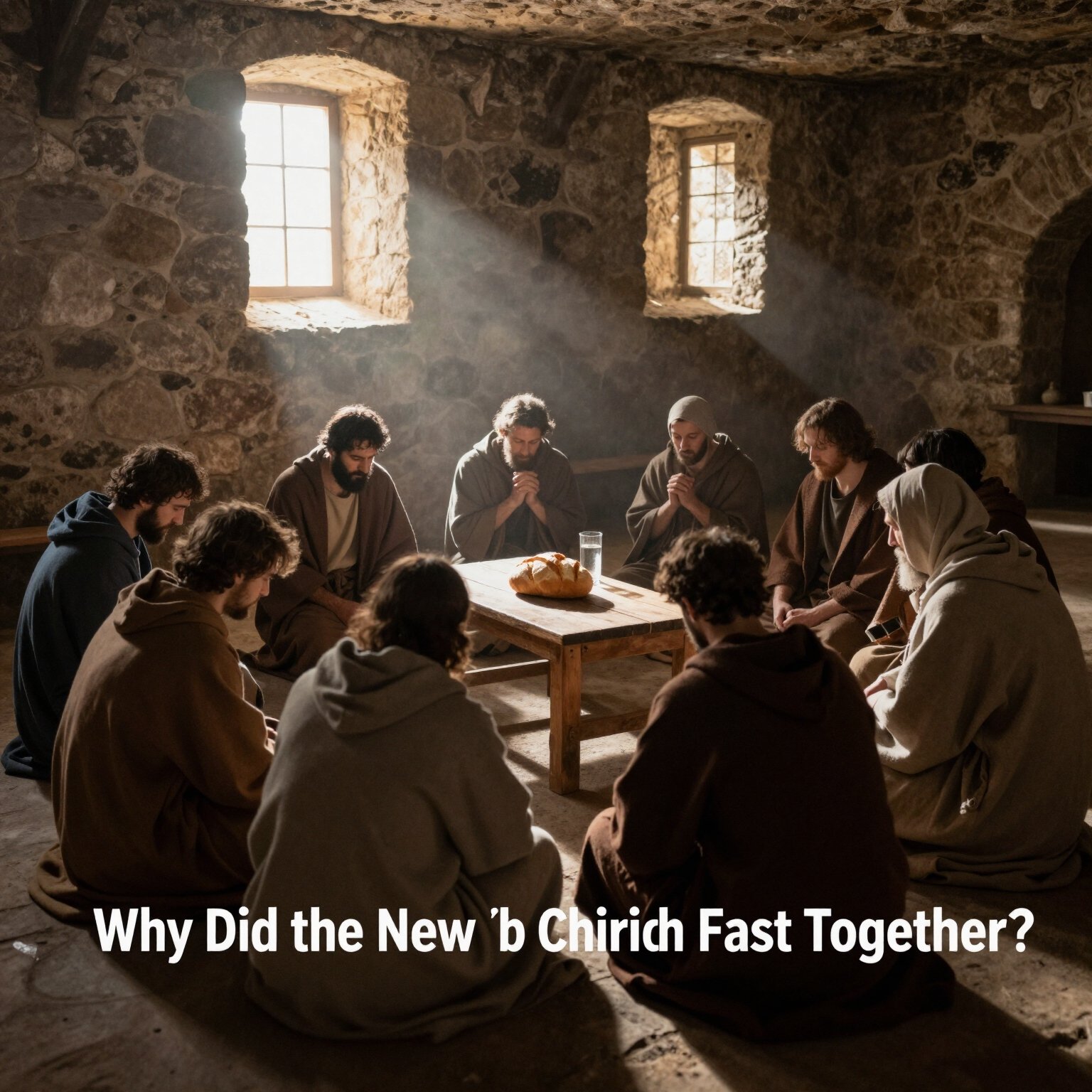
29 Apr Why Did the New Testament Church Fast Together?
You’ll find that the early believers fasted together to unite their community, seek the Holy Spirit’s guidance, and align mission and leadership decisions with God’s will. Corporate fasts created a holy atmosphere for prayer, teaching, and laying on of hands, helping them discern direction for sending missionaries and appointing elders. By fasting jointly, they demonstrated dependence on God and shared commitment, and you’ll see how those same principles apply today.
Table of Contents
How Did the Early Church Practice Corporate Fasting?
How exactly did the early church practice corporate fasting? You’d gather with leaders, set a brief period—often a day or two—and combine prayer, Scripture reading, and laying on of hands. The group would fast together, not for show, but to seek the Holy Spirit’s direction. In Antioch, five elders prayed and fasted before commissioning Barnabas and Saul (Acts 13:2‑3).
Paul and Barnabas repeated the pattern when appointing elders across Asia Minor (Acts 14:23). The fast was usually private in heart, avoiding ostentatious displays, yet it occurred in a communal setting, reinforcing unity. No strict diet is recorded; participants simply omitted meals to focus on God. After the fast, they’d worship, hear teaching, and then act on the revealed guidance. This disciplined, shared abstention helped align the church’s collective will with divine purpose.
How Did Early Leaders Use Corporate Fasting for Mission Decisions?
The early church didn’t just fast for personal devotion; leaders used it as a strategic tool when deciding where to send missionaries. You’ll see that in Acts 13 the Antioch elders gathered, prayed, and fasted before the Holy Spirit pointed to Barnabas and Saul. That fast sharpened their discernment, aligning their hearts with divine direction.
Likewise, when Paul and Barnabas prepared to launch new churches in Asia Minor, they entered a period of corporate fasting (Acts 14:23). The shared abstention heightened prayer intensity, making the Holy Spirit’s guidance unmistakable.
You can picture the leadership team sitting together, eyes closed, hunger reminding them of dependence on God rather than on food. These fasts were brief—sometimes a day or two—yet they produced decisive outcomes: missionary commissions, elder appointments, and strategic travel plans.
What Role Did Fast‑Prayer Cycles Play in Appointing Elders?
Why did the early church tie fast‑prayer cycles to elder appointments? You see, they believed that collective fasting sharpened spiritual discernment, so when a congregation needed new elders, the leadership team entered a focused prayer‑fast together. In Acts 14:23, Paul and Barnabas prayed and fasted before laying hands on appointed elders, trusting the Holy Spirit to confirm each candidate’s suitability. The fast created a holy atmosphere, removed personal agendas, and aligned everyone’s hearts with God’s will. You’d gather a small group, abstain from food for a short period, and intercede earnestly, asking God to reveal the gifted men who could shepherd the flock. This practice also demonstrated humility and dependence on divine provision, reinforcing the elders’ authority as God‑appointed rather than self‑selected. As a result, the church secured leaders who were spiritually vetted, united, and ready to serve.
What the Bible Really Says About Public and Private Fasting?
Ever wondered what Scripture actually teaches about fasting in public versus private? You’ll find that Jesus warns against ostentatious fasting in Matthew 6:16‑18, urging you to keep it hidden so only God sees your devotion.
Yet the early church didn’t ignore communal fasting; Acts 13:2‑3 and Acts 14:23 show leaders gathering, praying, and fasting together before major decisions.
The pattern is clear: private fasting cultivates personal humility, while public, corporate fasting signals shared dependence and unity.
When you fast alone, you obey Jesus’ call to avoid “showing off.” When you join others, you echo the biblical model of seeking God’s direction for the body of Christ, not for personal applause.
Both forms are biblical, but each serves a different purpose—personal sincerity versus collective discernment. Use each wisely, matching the motive to the context.
Why New Testament Corporate Fasting Shows Unity and Dependence on God?
So does corporate fasting really bind a congregation together? When you join your church in a fast, you’re not just denying food—you’re aligning hearts. The early believers in Antioch and Asia Minor prayed, fasted, and then sent missionaries as one body (Acts 13‑14). That shared discipline creates a tangible reminder that you depend on God, not on your own strength or resources. As you and together, the Holy Spirit’s guidance becomes a collective experience, not a private whisper. Unity grows because every participant feels the same spiritual hunger and the same reliance on divine provision (John 6:27).
The fast also amplifies prayer intensity, making decisions feel divinely affirmed, as seen when elders were appointed after corporate fasting (Acts 14:23). In short, corporate fasting turns individual faith into a communal testimony of dependence, reinforcing the church’s identity as Christ’s unified body.
How New Testament Corporate Fasting Echoes Old‑Testament National Fast‑s?
How does the New Testament’s corporate fasting mirror the Old Testament’s national fasts? You’ll notice the pattern: leaders gather, pray, and deny themselves to seek God’s direction, just as Israel did before crisis or war.
In Acts 13, the Antioch elders fasted before commissioning missionaries, echoing 2 Chronicles 20 when Judah fasted for divine deliverance. The purpose aligns—national fasts aimed at repentance, humility, and divine favor; New Testament fasts pursue discernment, unity, and empowerment of the Holy Spirit. Both involve a communal “affliction of the soul,” a collective turning from flesh to faith.
The church’s fasts are shorter, often tied to specific decisions, yet they retain the same theological thrust: a public declaration that God’s will outweighs material needs. By echoing the ancient national rhythm, early believers positioned the body of Christ as a spiritual nation, seeking God’s guidance together.
Tangible Outcomes of Corporate Fasting in Acts and Early Church Growth
Start by recognizing that corporate fasting in Acts produced concrete results that propelled the early church’s expansion. When you read Acts 13:2‑3, you see five leaders in Antioch praying and fasting, then receiving the Holy Spirit’s directive to send Barnabas and Saul. Their mission trip sparked churches across Asia Minor, demonstrating how a brief fast unlocked strategic outreach.
In Acts 14:23, Paul and Barnabas fasted while appointing elders, securing leadership that could sustain new congregations amid persecution. The pattern repeats: fast‑prayer cycles preceded major decisions, such as the Council of Jerusalem (Acts 15), and preceded the rapid multiplication of believers within a decade of Pentecost. These outcomes weren’t mystical; they were tangible—missionary commissions, elder appointments, strengthened resolve under trial, and heightened discernment. By joining together in fasting, you align with a proven early‑church method that translates spiritual focus into measurable growth and organizational stability.
Modern Lessons From New Testament Corporate Fasting
The concrete results of corporate fasting in Acts—mission commissions, elder appointments, and strengthened resolve—show that collective prayer and self‑denial can translate spiritual focus into measurable outcomes. Today you can apply those principles by scheduling regular, focused fasts before major decisions, whether launching a ministry project or voting on leadership. Use the fast to silence distractions, then gather the team for prayer, teaching, and transparent discussion; the shared hunger creates unity and sharpens discernment.
Keep the fast brief—24 to 48 hours—so it’s sustainable for busy schedules, and pair it with practical worship and fellowship to reinforce purpose. Encourage participants to journal insights, then compare notes to see patterns of guidance. This method mirrors the early church’s blend of prayer, fasting, and commissioning, allowing you to experience clearer direction, stronger commitment, and a tangible sense of God’s presence in contemporary ministry.
Frequently Asked Questions
Did Fasting Affect the Early Church’s View of Wealth?
You’ll see that fasting shaped the early church’s view of wealth by teaching you dependence on God over material gain. When believers fasted together, they experienced humility, shared sacrifice, and spiritual discernment, which redirected their priorities from accumulation to generosity.
The practice highlighted that true riches come from God’s provision and communal support, not personal hoarding, so you learned to value generosity and stewardship above wealth.
Were Women Allowed to Lead Corporate Fasts?
You can see that the New Testament never explicitly bars women from leading corporate fasts; the texts focus on leaders, not gender. In Acts and Paul’s letters, both men and women participated in prayer and fasting, and women like Priscilla taught alongside men. So, while the narrative highlights male figures, there’s no scriptural prohibition—women could certainly take initiative in guiding communal fasting when the church recognized their spiritual gifting.
How Long Were Typical Fast‑Prayer Periods?
You’ll find that early believers usually kept fast‑prayer periods brief—often one or two days for specific decisions, like in Acts 13:2‑3, and longer, three‑day stretches for larger missions, as seen in Acts 14:23.
Leadership groups typically led these fasts, combining prayer, laying on of hands, and worship.
The focus stayed on spiritual posture rather than strict dietary rules, allowing the church to seek God’s guidance efficiently.
Did Fasting Replace Other Spiritual Disciplines?
No, fasting didn’t replace other disciplines; it complemented them. You’ll see believers still praying, worshiping, teaching, and giving while they fast.
The early church used fasting to intensify prayer and discernment, but they kept Scripture study, fellowship, and sacraments as regular practices. So fasting acted as an added, focused tool rather than a substitute for the broader spiritual life.
What Foods, if Any, Were Prohibited During Fasts?
You won’t find a specific food list in the New Testament; the fasts focused on spiritual posture, not diet. Scripture tells you to abstain from “eating and drinking” (Matthew 6:16‑18) as a general practice, but it never bans particular foods. Early believers simply reduced meals, often skipping ordinary fare, to concentrate on prayer and dependence on God.
Conclusion
You’ve seen how early believers fasted together to seek God’s guidance, unite their hearts, and empower mission. Their corporate fasts weren’t just rituals—they were strategic, Spirit‑led moments that shaped leadership, clarified decisions, and sparked growth. By mirroring those biblical patterns, you can foster unity, dependence, and bold direction in today’s church, turning collective prayer into tangible, God‑centered outcomes.










No Comments