


02 May 5 Best Reasons Jesus Fasted 40 Days
You’ll find that Jesus fasted 40 days to prep for ministry, strip away distractions, and align his heart with the Father’s will. The desert tested his resolve against temptation and deepened his dependence on God’s provision. It sparked spiritual transformation, sharpening insight and humility. Each temptation revealed a lesson about true strength and surrender. Keep going and you’ll discover how these insights translate into practical fast steps for your own walk.
Table of Contents
What Is the 40‑Day Fast of Jesus?
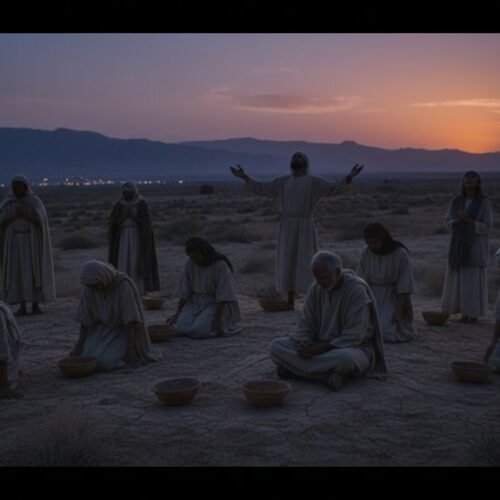
What exactly was the 40‑day fast of Jesus? You picture Him stepping into the wilderness, leaving the comforts of home, and committing to a period of total abstinence from food. For forty days and forty nights, He survived solely on spiritual sustenance, relying on prayer and divine provision. The narrative describes Him growing weak, yet His resolve never wavers; He uses the solitude to confront temptation, to align His will with God’s, and to deepen His relationship with the Father. The fast isn’t a mere diet—it’s a disciplined, intentional withdrawal from worldly distractions, allowing Him to focus on divine purpose. You witness how He emerges transformed, ready to begin His public ministry with clarity, authority, and compassion. This episode demonstrates that disciplined self‑denial can sharpen spiritual insight and prepare a leader for the challenges ahead.
Why Jesus Fasted to Prepare for His Ministry
Why did Jesus spend forty days in the wilderness before beginning his ministry? You see, the desert served as a crucible where He could strip away worldly distractions and focus on the divine mission ahead. By fasting, He humbled Himself, aligning His heart with the Father’s will and testing His resolve. The solitude forced Him to confront temptation head‑on, sharpening His spiritual discernment for the challenges He’d face among crowds. This period also allowed Him to internalize Scripture, recalling the Israelites’ trials and the prophetic promises that pointed to His work. In those silent, hungry hours, He cultivated a deep dependence on God, preparing to lead with authority and compassion. The experience forged a resilient character, ready to teach, heal, and sacrifice without hesitation. Ultimately, the fast wasn’t just a ritual; it was strategic preparation, equipping Him for the ministry that would change history.
How the 40‑Day Fast Demonstrated Dependence on God
When Jesus entered the wilderness, He relied entirely on God’s provision, letting the Spirit guide Him through hunger and temptation. You see that each empty stomach grew was a test of trust, not a sign of weakness. By refusing to grasp for food, you recognize that sustenance comes from the Father, not from your own effort. The desert’s silence amplified your dependence, forcing you to listen for divine direction rather than worldly noise. As you walk the barren path, you learn that God supplies both physical and spiritual nourishment, turning scarcity into a canvas for faith. This reliance reshapes your identity: you become a conduit of God’s power, not a self‑sufficient survivor. The 40‑day stretch thus proves that true strength lies in surrender, and that every breath you take is a reminder of God’s faithful provision.
What the 40‑Day Fast Temptations Reveal About Spiritual Victory
Having seen how the desert stripped away self‑reliance, the temptations that rose during those 40 days expose the battlefield where spiritual victory is won. You recognize that each lure—turning stones into bread, testing God’s protection, and seizing worldly power—targets a different prideful impulse. When you confront the hunger temptation, you learn that true sustenance comes from reliance on God, not from self‑sufficiency.
The stone‑to‑bread trial teaches you that spiritual nourishment outweighs physical appetite, urging you to trust divine provision.
The pinnacle’s‑to‑kingdom offer reveals that authority without humility is hollow; you discover that victory belongs to the servant who submits to God’s will.
Finally, the devil’s challenge to prove God’s love forces you to cling to faith rather than demand proof. By resisting these assaults, you experience a deeper intimacy with God and a confident assurance that spiritual triumph is secured through obedience, not by worldly assurances.
Practical Takeaways for Today’s Believers From the 40‑Day Fast
Ever wonder how a 40‑day desert walk can reshape your daily walk with God? You can mirror Jesus’ discipline by setting simple, measurable fast goals—skip a snack, a coffee, or a social‑media scroll each day. Use the hunger moments to pray, letting physical emptiness amplify spiritual focus. Write a short journal entry after each prayer, noting insights or convictions; this creates a feedback loop that sharpens discernment. When cravings hit, remind yourself that the desert was a training ground, not a punishment—turn temptation into a reminder of God’s provision. Incorporate brief periods of silence, allowing the Holy Spirit to speak without distraction. Share your experience with a trusted friend or small group; accountability fuels perseverance. Finally, celebrate milestones with gratitude, recognizing that each day you endure builds endurance for future trials, just as Jesus emerged stronger after His 40‑day fast.
Frequently Asked Questions
Did Jesus Fast Alone or With Others?
You’ll find that Jesus fasted alone. The Gospels describe him withdrawing to a solitary desert place, away from crowds and companions, to pray and endure temptation.
No one else is mentioned joining him during those forty days; the narrative emphasizes his personal, intimate encounter with God.
This solitude underscores the depth of his commitment and the personal nature of the spiritual testing he faced.
What Foods Did Jesus Eat After the Fast?
You’ll find that after the 40‑day fast, Jesus broke it with simple, nourishing foods.
The Gospels say He ate fish—likely a modest portion of grilled or baked fish—and some bread, probably unleavened or whole‑grain.
He also drank water.
These modest meals restored His strength without excess, reflecting the humble, sustenance‑focused diet He lived by throughout His ministry.
How Long Did the Temptation Period Last?
You’ll find that the temptation period lasted forty days. During that time, Jesus stayed in the wilderness, facing three specific temptations from the devil. He went without food, endured physical weakness, and resisted the lure of power and prestige.
Did the Fast Affect Jesus’ Physical Health?
Yes, the fast strained your body. You’d feel intense hunger, low energy, and possible dizziness as glycogen depletes.
Your muscles might weaken, and dehydration could cause headaches. Yet, after the period, your body would rebound, especially if you re‑hydrate and eat gradually.
Spiritually, the ordeal could sharpen focus, but physically you’d endure typical fasting side‑effects like fatigue and reduced stamina.
Are There Biblical Precedents for 40‑Day Fasts?
You’ll find several biblical precedents for 40‑day fasts. Moses spent forty days on Mount Sinai without food (Exodus 34:28), and Elijah went forty days to Horeb, sustained only by a raven’s provision (1 Kings 19:8).
The Israelites also endured a forty‑day famine in the desert (Deuteronomy 2:14). These examples set the pattern that Jesus later followed, showing that a forty‑day fast carries deep symbolic and spiritual significance.
Conclusion
You’ve seen how Jesus’ 40‑day fast prepared Him, showed His dependence on God, and proved His victory over temptation. Those same principles apply to you today: seek God’s strength, trust His provision, and stand firm against the enemy’s lies. Let His example shape your prayer life, your reliance on the Spirit, and your confidence that God equips you for every challenge. Embrace the fast’s lessons, and walk forward in victorious faith.









No Comments