


01 May 3 Best Lessons From Jesus Forty Day Fast
You’ll see that Jesus’ 40‑day desert fast taught you three core lessons: first, true dependence on God eclipses any fleshly reliance, as hunger forces you to trust divine provision; second, prayer becomes a dialogue that reshapes your priorities, turning each breath into a petition and each pause into listening; third, desert silence strips away distractions, revealing clarity about your mission and inner strength. Keep going and you’ll discover how to apply these insights daily.
Table of Contents
What Jesus Learned During His Forty‑Day Fast
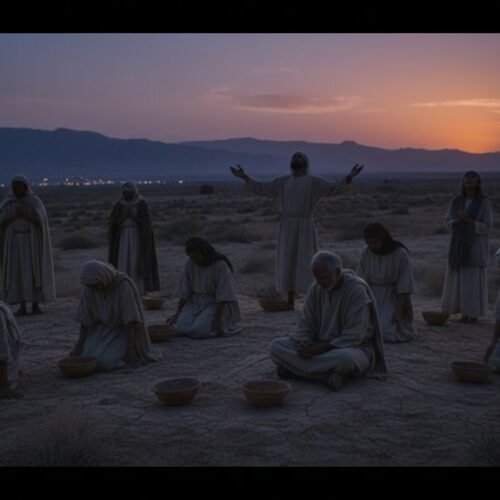
What did Jesus discover in those barren, silent days? You’ll see that his solitude turned hunger into insight. First, he learned that dependence on God eclipses reliance on flesh; the empty stomach sharpened his trust in divine provision. Second, he recognized that prayer isn’t a ritual but a dialogue that reshapes priorities—each breath became a petition, each pause a listening. Third, he grasped that physical limits reveal spiritual horizons; the desert stripped away distractions, exposing the kingdom’s reality within.
In those 40 days, you witness a transformation: scarcity fuels abundance, silence births clarity, and weakness becomes a conduit for divine strength. This triad of lessons equips you to confront your own wilderness, reminding you that when you surrender comfort, you gain purpose. The fast isn’t merely a historic event; it’s a template for cultivating resilience, faith, and vision in everyday life.
How the Fast Shaped His Ministry
The desert’s silence didn’t just sharpen Jesus’s trust; it forged the rhythm of his public ministry. You’ll notice that the solitude taught him to listen before he spoke, so when he entered crowds he answered questions with purpose, not haste.
The hunger he endured gave him a visceral empathy for the hungry, prompting him to feed the five thousand and later the multitude in Gethsemane. You’ll that how the physical weakness turned into spiritual strength, allowing him to perform miracles that astonished skeptics and inspired disciples.
The disciplined prayer routine became his template for daily gatherings, shaping the structure of the Sermon on the Mount and the parables that followed. You’ll see that the desert’s starkness stripped away distractions, leaving a clear mission: to proclaim the kingdom with boldness.
That clarity carried into every sermon, healing, and encounter, defining the cadence of his ministry.
Lessons We Can Apply Today
When you pause to reflect on Jesus’ desert experience, you discover practical habits you can adopt right now. First, set aside daily silence; a brief, undistracted moment sharpens your focus and steadies your heart, just as the wilderness taught Him to listen.
Second, embrace intentional discomfort—skip a luxury or endure a short hardship—to build resilience and remind yourself that growth often lies beyond comfort zones.
Third, prioritize nourishment that feeds the soul: read a meaningful passage, journal, or pray, allowing spiritual sustenance to outweigh fleeting cravings.
Fourth, practice gratitude for the small provisions you receive; acknowledging each blessing cultivates humility and contentment.
Finally, share your insights with others; teaching reinforces learning and creates community. By integrating these habits into your routine, you transform a historic fast into a living guide for perseverance, clarity, and purpose today.
Frequently Asked Questions
Did Jesus Experience Physical Weakness During the Fast?
Yes, you’d recognize that Jesus likely felt physical weakness during the forty‑day fast. Depriving the body of food for that long inevitably drains energy, impairs stamina, and brings fatigue.
Even if his spirit stayed strong, his muscles and brain would have craved glucose, causing dizziness or trembling. The gospel hints at his hunger and thirst, confirming that his body endured real, tangible weakness while he pursued divine purpose.
How Long Did Jesus Pray Each Day While Fasting?
You’ll find that the Gospels don’t give a precise hourly count, but they show Jesus praying intensively throughout each day of the forty‑day fast.
He rose early, spent hours in the wilderness, and retreated to solitary spots for extended communion with the Father.
In practice, that means he devoted most of his daylight hours—often half the day—to prayer, interspersed with moments of fasting, reflection, and listening.
What Foods, Jesus Eat After the 40‑Day Period?
You’ll find that after the forty‑day fast, Jesus ate simple, modest foods.
The Gospels note he broke the fast with a meal of fish and bread, likely a small portion of freshly caught fish and some unleavened loaves.
He probably also drank water or wine, as was customary.
These humble foods restored his strength without indulging in lavish banquets, reflecting his continued humility.
Did Jesus Face Any Temptations Beyond the Wilderness?
You’ll find that Jesus’ temptations were limited to the wilderness episode; the Gospels don’t record any other specific temptations after that. After the 40‑day fast, he began his public ministry, focusing on teaching, healing, and confronting religious authorities. While he faced ongoing opposition and internal struggles, the scriptural narrative highlights the desert temptations as the sole recorded instance of direct, personal testing.
How Did the Fast Affect the Disciples’ Perception of Him?
You’ll notice the disciples start seeing Jesus as more than a teacher; they view him as a divine warrior who mastered hunger and temptation. His calm endurance convinces them his power isn’t limited to miracles but extends to spiritual authority. That realization deepens their loyalty, fuels awe, and makes them eager to follow his example, trusting his guidance even when faced with extreme trials.
Conclusion
Now you see how Jesus’ 40‑day fast wasn’t just a personal trial—it forged his purpose, deepened his dependence on God, and sharpened his compassion. By embracing solitude, surrender, and service, you can mirror that transformation in your own life. Let his example push you to seek clarity, trust the divine, and extend love, turning every challenge into a stepping stone toward a richer, more purposeful walk.











No Comments