

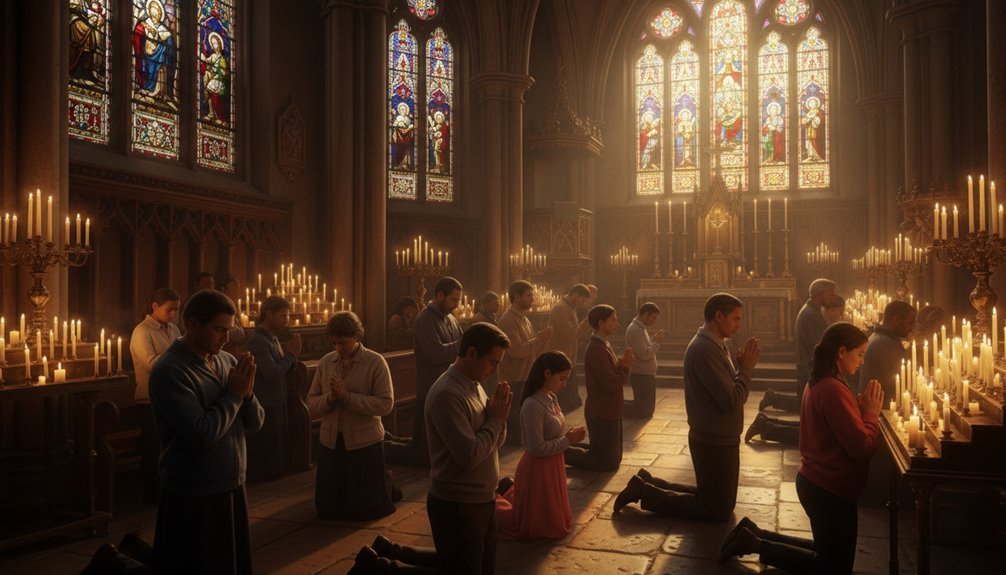
04 Apr 10 Best Reasons Easter Monday Has Church Services
You’ll find Easter Monday services deepen the Paschal celebration, honor post‑Resurrection appearances, and reinforce the “New Life” theme while uniting the community in worship, hymnody, and fellowship. They extend the joy of Easter Sunday, remind you of the empty tomb’s reality, and let traditional hymns anchor your hope. The liturgy links to the Octave of Easter, offers a resurrection sermon, and includes a blessing of the cross. Keep going and discover even more reasons.
What Is Easter Monday and Why It Matters?
One of the most overlooked days in the Christian calendar, Easter Monday lands the day after the resurrection celebration and offers a unique chance to extend the joy of Easter. You’ll find it sits between the high point of Holy Week and the ordinary rhythm of the year, giving believers a moment to reflect on the resurrection’s ongoing impact.
It isn’t just a public holiday; it’s a liturgical bridge that deepens the Easter narrative. By gathering for worship on this day, you reinforce the truth that Christ’s victory isn’t a one‑time event but a living reality that shapes daily life. The service often emphasizes discipleship, gratitude, and the call to live out the risen Christ’s love.
In doing so, Easter Monday helps you transition from celebration to mission, keeping the holy spirit active throughout the season.
How Easter Monday Extends the Paschal Celebration
After reflecting on Easter Monday’s role as a liturgical bridge, you’ll see how the day stretches the Paschal celebration beyond Sunday’s triumph.
You experience the resurrection’s joy again, letting it settle in your heart rather than evaporating after one service. The weekday liturgy inserts a calm, contemplative rhythm that balances the exuberance of Easter Sunday, giving you space to internalize the mystery.
By attending Monday Mass, you join a community that continues to proclaim “He is risen” with fresh vigor, reinforcing belief and hope throughout the week. The extended celebration also aligns with ancient tradition, where the Paschal feast lasted three days, reminding you that salvation isn’t a flash‑in‑the‑pan event but a sustained reality.
This continuity nurtures spiritual growth, deepens your worship, and prepares you for the ordinary days that follow, carrying the resurrection’s light into everyday life.
Why the Day Honors Post‑Resurrection Appearances
Three post‑Resurrection appearances—Jesus to Mary Magdalene, the disciples on the road to Emmaus, and the apostles in the locked room—anchor Easter Monday’s meaning.
You’ll notice how each encounter validates the empty tomb and transforms doubt into belief. Mary’s we encounter shows that grief can turn into joy when Christ reveals himself personally. The Emmaus travelers experience a gradual unveiling, reminding you that understanding often unfolds step by step.
The locked‑room appearance demonstrates that even fear can’t keep the risen Lord out, confirming his victory over death. Together, these moments illustrate that Easter Monday isn’t merely a continuation of Holy Week; it’s a celebration of the concrete, lived reality of resurrection.
You’re invited to remember that the risen Christ meets us in ordinary places, urging you to carry that confidence into daily life and worship.
The “New Life” Theme in Easter Monday Liturgy
The Easter Monday liturgy centers on the “new life” theme, inviting you to experience the resurrection’s transformative power in worship. As you gather, the readings spotlight Christ’s post‑resurrection appearances, framing every prayer and hymn as a celebration of renewal.
The sermon often draws parallels between the empty tomb and your own spiritual rebirth, urging you to let that fresh hope shape daily choices. Communion becomes a tangible reminder that the resurrected Christ lives within you, turning ordinary moments into sacred opportunities.
Liturgical symbols—white candles, blooming flowers, and vibrant vestments—visualize the vitality you’re called to embody. When you stand, you’re not merely reciting ancient words; you’re entering a living narrative that promises ongoing transformation.
This focus on new life fuels personal growth, strengthens community bonds, and reinforces the belief that the resurrection’s impact extends far beyond Sunday morning.
How Traditional Hymns Shape Monday Worship
Moving from the celebration of new life, traditional hymns anchor Monday worship in familiar melodies that echo the resurrection’s promise. You’ll notice how each verse carries centuries‑old theology, letting you feel the continuity of faith.
When the choir sings “Christ the Lord Is Risen Today,” the familiar cadence steadies your heart, reminding you that Easter’s joy isn’t limited to Sunday. These songs also shape the liturgy’s rhythm: the opening hymn sets a reverent tone, the psalm response reinforces scriptural themes, and the closing anthem sends you out with hope.
Why the Easter Vigil’s “Alleluia” Echoes on Monday
One striking way the Easter Vigil’s “Alleluia” lingers into Monday is that the chant’s melodic contour is deliberately repeated during the opening hymn, creating an audible bridge between the solemn night and the weekday service. You’ll notice the same rising interval and bright timbre resonating in the organ’s prelude, so the celebration feels continuous rather than fragmented.
This musical echo reminds you that the resurrection’s joy doesn’t pause at sunrise; it carries forward into the day’s prayers, readings, and communion. By weaving the Alleluia motif into Monday’s liturgy, the congregation experiences a seamless transition, reinforcing the theological claim that Christ’s victory is an ongoing reality.
The familiar refrain also helps you focus, as the repeated phrase anchors your mind and heart, turning a brief weekday service into a powerful extension of the Easter night’s triumph.
Linking Easter Monday to the Octave of Easter
Although Easter Monday may seem like a simple weekday, it actually opens the Octave of Easter—a liturgical week that prolongs the joy of the resurrection. You’ll notice that the Church marks this day as the first step in a nine‑day celebration, beginning with Easter Sunday and ending with Pentecost.
By attending Monday’s service, you join a tradition that treats each day as a continuation of the triumph over death, rather than a return to ordinary routine. The Octave invites you to revisit the Gospel narratives, chant the same hymns, and receive the same sacramental grace repeatedly, reinforcing the reality of the risen Christ in your life.
This rhythm of worship helps you internalize the resurrection’s impact, making the celebration feel lived and than merely remembered. As you participate, you experience a seamless flow from the initial astonishment of Easter Sunday into a sustained period of spiritual renewal.
Why Churches Deliver a Resurrection Sermon on Monday
Because the resurrection is the core of Christian faith, churches seize Monday to reinforce its meaning with a dedicated sermon. You’ll hear a focused message that connects the empty tomb to everyday hope, reminding you that Christ’s victory over death isn’t a past event but a present reality.
By delivering a resurrection sermon on Monday, pastors capitalize on the lingering excitement of Easter Sunday, keeping the spiritual momentum alive. The sermon often highlights how the resurrection empowers personal transformation, urging you to live out the new life promised by Christ.
It also provides a clear theological anchor for the Octave of Easter, linking the initial celebration to the ongoing liturgical season. This timing lets you reflect deeply before the week’s routine resumes, ensuring the risen Lord remains central in your thoughts and actions throughout the day.
The Easter Monday Blessing of the Cross Explained
When Easter Monday arrives, many churches gather to bless the Cross, turning a symbol of suffering into a proclamation of victory. You’ll notice a priest or pastor holding the Cross aloft, sprinkling holy water, and invoking Scripture that links the crucifixion to the resurrection.
The rite emphasizes that the Cross, once an instrument of death, now bears the power of life; you’re invited to view it as a conduit of grace rather than a relic of pain. The blessing often includes a brief prayer, “May this Cross be a beacon of hope,” followed by a silent moment for personal reflection.
As the congregation sings a hymn, you feel the collective affirmation that Christ’s sacrifice is triumphantly fulfilled. This act reorients your faith, reminding you that the Cross’s purpose is redemption, not despair, and that Easter Monday’s liturgy celebrates that transformative truth.
Community Fellowship and Refreshments on Easter Monday
You’ll find that sharing a meal on Easter Monday instantly brings people closer, turning strangers into friends.
The simple act of breaking bread together strengthens the bonds that keep your church community thriving. These refreshments become more than food—they’re a catalyst for lasting fellowship.
Shared Meals Together
After the service, families and friends gather around tables brimming with homemade dishes, turning the celebration into a lively feast of fellowship. You’ll notice the aroma of roasted lamb, fresh spring greens, and sweet pastries mingling with laughter.
Sharing food lets you pause from sermons and connect over familiar flavors, reinforcing the sense of belonging that the worship experience sparked. You pass dishes, exchange recipes, and savor stories of past Easters, creating memories that linger beyond the day.
The communal meal also offers a chance to welcome newcomers, inviting them to sit, eat, and feel included without pressure. By breaking bread together, you deepen the spiritual joy of the holiday while nurturing lasting friendships.
Strengthening Community Bonds
The shared meal naturally flows into a time of fellowship, where laughter and conversation weave through the room like a warm tapestry. You feel the buzz of connections forming as familiar faces share stories over coffee and pastries.
This informal setting breaks down barriers; newcomers find a welcoming spot, and longtime members rediscover shared memories. As you mingle, you notice how simple refreshments become a catalyst for deeper trust. You exchange contact info, plan future volunteer projects, and support each other’s challenges.
The collective joy reinforces a sense of belonging that extends beyond Sunday services. By the end of the gathering, you carry home a renewed commitment to the community, knowing that these bonds will sustain you throughout the year.
Frequently Asked Questions
What Are Typical Service Times for Easter Monday?
You’ll usually find Easter Monday services starting between 9 a.m. and 11 a.m., though many churches also offer a midday option around 12 p.m. and a late afternoon slot at 4 p.m.
Some larger parishes add a sunrise worship at 6 a.m. Check your local parish’s website or bulletin for exact times, as they can vary by denomination and region.
Do Churches Offer Special Children’s Programs on Easter Monday?
You’ll find that most churches do offer special children’s programs on Easter Monday. They usually plan a short, lively service with songs, a brief story about the resurrection, and a crafts activity like egg‑decorating.
Many also schedule a kids’ Sunday school class or a family‑friendly fellowship lunch afterward. Check your parish’s bulletin or website for exact times, but expect a fun, faith‑focused celebration for the little ones.
Is Easter Monday Considered a Public Holiday in All Regions?
You’ll find Easter Monday is a public holiday in many places, but not everywhere. In most of Europe, Australia, Canada, and parts of Africa it’s officially observed, giving you a day off work or school.
However, the United States, Japan, and several Asian nations treat it as a regular day, so you won’t get the same legal break there. Check your local calendar to confirm.
How Can I Volunteer for Easter Monday Community Outreach?
You can start by contacting your local parish or community center; they’ll have a list of outreach projects for Easter Monday.
Sign up on their website or drop by in person, and ask about food‑bank drives, neighborhood clean‑ups, or visit‑to‑elderly programs.
Bring any skills you have—cooking, organizing, or simply a friendly smile.
Confirm the schedule, show up early, and follow any safety guidelines they provide.
Are There Dress Code Guidelines for Attending Easter Monday Services?
You should dress modestly and respectfully for Easter Monday services. Most churches expect clean, neat clothing—no ripped jeans, tank tops, or overly casual sneakers.
Men typically wear slacks or khakis with a collared shirt; women often choose a modest dress or skirt and blouse. Avoid clothing with offensive graphics or slogans. If the congregation has a specific tradition, like a Sunday best dress code, follow it to show reverence and blend in comfortably.
Conclusion
So, when you step into Easter Monday’s service, you’re joining a tradition that stretches the joy of the resurrection, honors those post‑resurrection appearances, and wraps the week in fresh hope. The hymns, the blessing of the cross, and the fellowship all reinforce that “new life” theme. In short, Monday’s worship deepens your Easter experience and keeps the celebration alive until the octave ends.











No Comments