

19 Apr The Meaning of Easter Sunday: The Significance, Traditions, and Spiritual Meaning Behind the Celebration
Meaning of Easter Sunday: The Heart of Christian Hope and Renewal. Easter Sunday is one of the most important and widely celebrated days in Christianity, symbolizing the resurrection of Jesus Christ and His triumph over sin and death.
Table of Contents
The meaning of Easter Sunday extends far beyond chocolate eggs and bunny decorations—it marks the foundation of Christian faith, representing renewal, hope, and everlasting life. Believers view this day as a celebration of the empty tomb, proclaiming that Christ is risen.
Rooted in ancient traditions yet evolving with time, Easter brings together communities across cultures in joyful celebration. In this article, we explore the meaning of Easter Sunday, including its historical background, religious importance, global customs, symbols, and how modern culture continues to honor this sacred occasion.


Understanding Easter Sunday: An Overview
What Is Easter Sunday?
Easter Sunday commemorates the resurrection of Jesus Christ three days after His crucifixion, as described in the New Testament of the Bible. It marks the end of Holy Week and is the final day of the Easter Triduum, following Good Friday and Holy Saturday.
“He is not here; he has risen, just as he said.” – Matthew 28:6 (NIV)
Why Is It Celebrated?
The resurrection affirms Jesus’ identity as the Son of God and His victory over death, making Easter the cornerstone of Christian belief. It symbolizes the promise of eternal life to those who believe in Him.
The Historical Significance of Easter
Easter’s Roots in the Early Church
The earliest Christians observed Easter annually, often aligning it with the Jewish Passover. Over time, the Church formalized Easter celebrations as part of the Christian liturgical calendar.
Council of Nicaea and the Date of Easter
In 325 AD, the Council of Nicaea established that Easter would be celebrated on the first Sunday after the first full moon following the spring equinox, meaning the date varies each year between March 22 and April 25.
The Spiritual Meaning Behind Easter Sunday
Victory Over Sin and Death
Easter is more than a historical event—it is a spiritual victory. Jesus’ resurrection confirms His divine power and offers redemption to believers.
“I am the resurrection and the life. The one who believes in me will live, even though they die.” – John 11:25 (NIV)
Hope, Renewal, and Rebirth
The meaning of Easter Sunday also centers around spiritual renewal. It represents a new beginning for humanity, offering hope to those seeking forgiveness and salvation.


Easter Traditions Around the World
Holy Week and Its Observances
In many countries, Easter Sunday is preceded by a week of rituals and services, including Palm Sunday, Maundy Thursday, and Good Friday.
Traditional Foods and Celebrations
- Italy: Lamb dishes and sweet bread like Colomba Pasquale
- Philippines: “Salubong” sunrise service and processions
- Greece: Red-dyed eggs and midnight feasts
- Mexico: Passion plays and family gatherings
Common Symbols of Easter and Their Meanings
The Empty Tomb
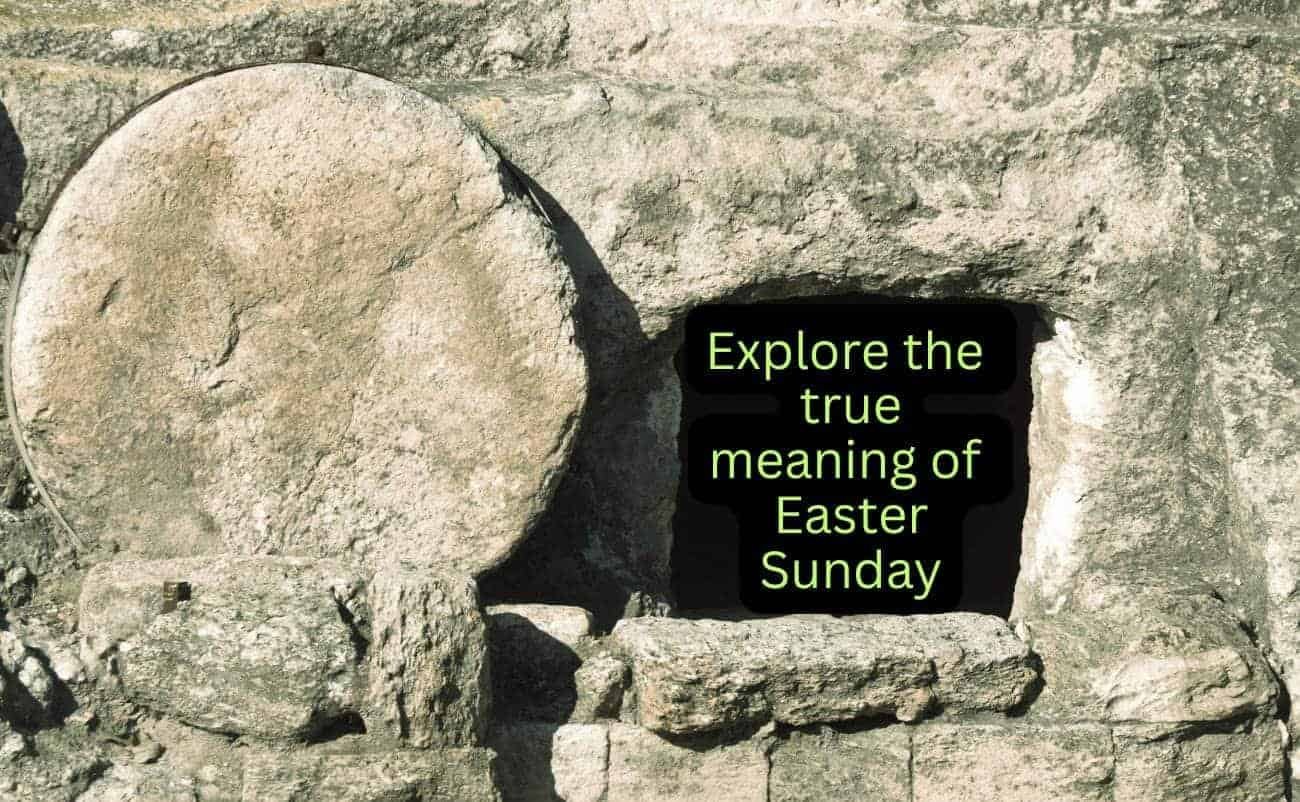
The symbol of the empty tomb is central to the meaning of Easter Sunday. It represents resurrection and the defeat of death.
The Cross
A symbol of Christ’s sacrifice, the cross stands as a reminder of the crucifixion and the hope that came after.
Easter Eggs
Eggs represent new life and resurrection. The tradition of decorating eggs dates back centuries and is a staple in many Easter customs.
The Easter Bunny
Although secular, the bunny symbolizes fertility and springtime, reinforcing Easter’s themes of rebirth.
The Role of Easter in Christianity
The Fulfillment of Prophecy
Easter affirms Old Testament prophecies of a Messiah who would suffer, die, and rise again.
The Basis of Christian Faith
“And if Christ has not been raised, our preaching is useless and so is your faith.” – 1 Corinthians 15:14 (NIV)
This verse highlights that the resurrection is essential to Christian doctrine.
How Different Cultures Celebrate Easter
Latin America
Easter is part of Semana Santa (Holy Week), with massive parades, reenactments, and church services.
Eastern Orthodox Countries
Celebrated later due to the Julian calendar, Orthodox Easter includes midnight services, feasts, and candlelit processions.
United States & UK
Church services, family brunches, Easter egg hunts, and sunrise services are popular ways to observe the day.

The Connection Between Easter and Spring
Pagan Influences
Some Easter customs have pre-Christian origins, such as fertility symbols and springtime festivals, which were later adapted into the Christian tradition.
Season of New Life
Spring symbolizes rebirth in nature, aligning with Easter’s message of resurrection and new beginnings.
Modern Easter Celebrations: From Egg Hunts to Family Gatherings
Social Media and Virtual Celebrations
In the digital age, many churches live-stream Easter services. People also share Easter Bible verses, prayers, and greetings on social media to celebrate and inspire.
Easter for Families and Children
Many families celebrate with church attendance followed by egg hunts, festive meals, and gifting of chocolate eggs or baskets.

FAQs About the Meaning of Easter Sunday
What is the true meaning of Easter Sunday?
The true meaning of Easter Sunday lies in celebrating the resurrection of Jesus Christ from the dead. It signifies victory over sin and death, offering eternal life to all believers. It’s the cornerstone of Christian faith, reaffirming God’s love and grace.
Why is Easter considered more important than Christmas in Christianity?
While Christmas celebrates the birth of Jesus, Easter celebrates His resurrection, which is seen as the fulfillment of God’s promise. According to 1 Corinthians 15:17 (NIV), “If Christ has not been raised, your faith is futile; you are still in your sins.” Thus, Easter is essential for Christian salvation.
Why do Easter celebrations involve eggs and bunnies?
Eggs represent new life and rebirth, aligning with the resurrection theme. The Easter Bunny, a symbol of fertility, stems from pre-Christian spring traditions that were later merged into Easter customs.
How is the date of Easter Sunday determined each year?
Easter is a movable feast. It’s celebrated on the first Sunday after the first full moon following the vernal equinox (March 21). As a result, Easter can fall between March 22 and April 25.
What are some spiritual practices for Easter Sunday?
Spiritual practices include attending church services, participating in communion, reading resurrection scriptures, praying, fasting, and reflecting on Jesus’ sacrifice and love.
Key Takeaway:
In the morning, Lord, you hear my voice; in the morning I lay my requests before you and wait expectantly. Psalm 5:3
In Conclusion, Embracing the Meaning of Easter Sunday. The meaning of Easter Sunday goes beyond traditions—it’s a divine message of hope, grace, and renewal.
Whether it’s celebrated through solemn prayer or joyful gatherings, Easter serves as a powerful reminder of God’s love and the promise of eternal life through Jesus Christ.
By understanding the spiritual and cultural depth of this day, we embrace its purpose more fully, not just as a holiday, but as the foundation of faith for millions worldwide.








No Comments