

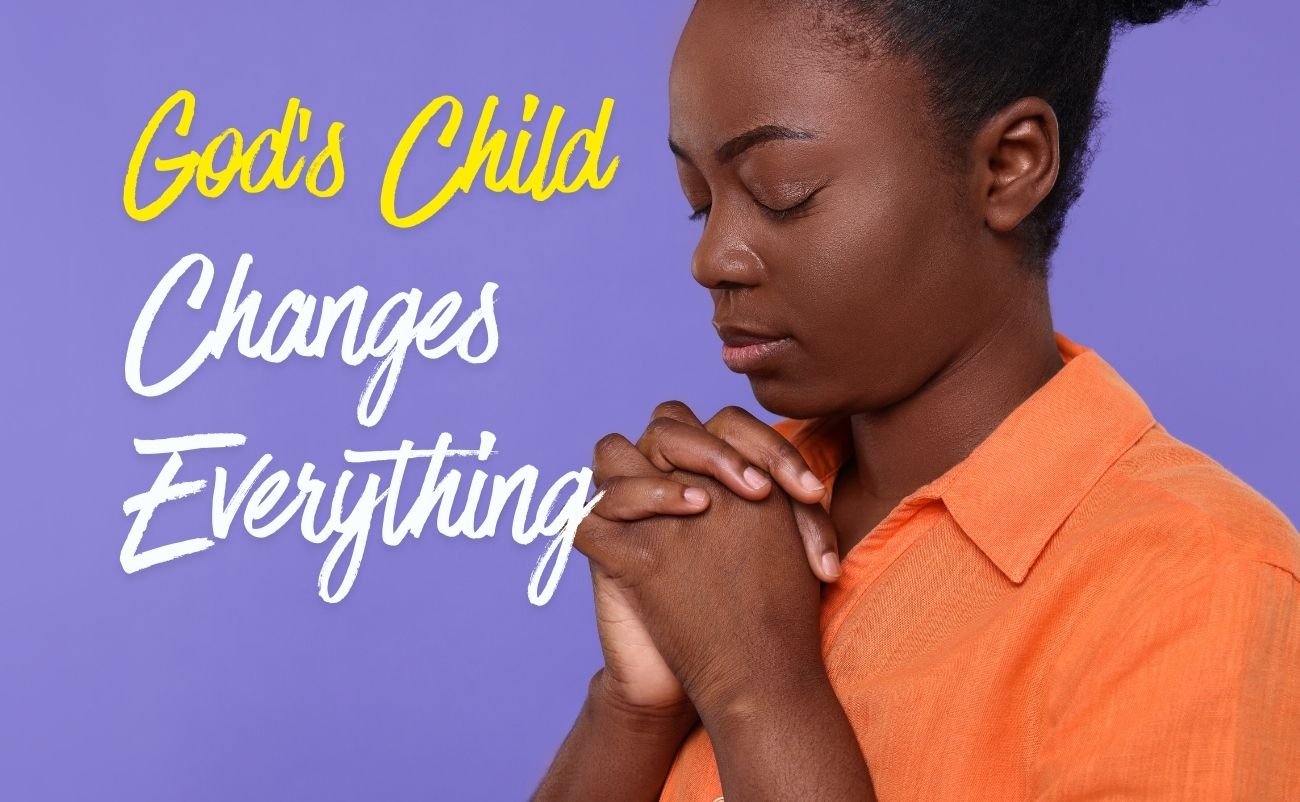
16 Mar Eastertide: 1 John 3-1 Loved Children Why Being Called God’s Child Changes Everything
Disclosure: Some of the links on this website are affiliate links. If you click a link and make a purchase, the Website Operator may earn a small commission at no extra cost to you.
Table of Contents
You’re a child of God, so your identity instantly reshapes every thought and decision, especially during Easter. 1 John 3:1 reminds you that being called His loved child means you’re rooted in unconditional love, purpose, and belonging. That truth turns suffering into testimony, lets you meet failure with grace, and measures success by love and service. It also secures the promised inheritance of peace, forgiveness, and eternal life. Keep going to discover how daily practices deepen this sonship.
What It Means to Call Yourself a Child of God
Calling yourself a child of God isn’t a metaphorical label; it’s an identity that reshapes how you see yourself and interact with the world. When you claim this relationship, you step into a narrative that affirms worth, purpose, and belonging. You no longer view yourself as an isolated individual but as part of a divine family, linked to a Creator who loves unconditionally. This perspective shifts your self‑talk: doubts become opportunities for growth, and failures are met with grace rather than condemnation. You begin to measure success by love, mercy, and service, not by status or wealth. Your decisions are filtered through the lens of a higher calling, prompting you to act with integrity and compassion. In everyday moments—work, relationships, or personal struggles—you feel a steady assurance that you’re never truly alone, because your identity is anchored in a relationship that transcends circumstance.
How Suffering Becomes Testimony for God’s Children This Easter?
Why does Easter’s crucifixion turn your pain into purpose? You see the cross as a catalyst: every ache, every loss mirrors Christ’s own suffering, inviting you to join his narrative.

When you bear hardship, you become a living witness, a testament that God’s love endures beyond comfort.
This Easter, let your trials echo the empty tomb—hope rises from darkness.
Share your story with fellow believers; your honesty validates their struggles and points them toward the risen Savior.
By speaking of how grief sharpened your faith, you transform private sorrow into communal strength.
The Holy Spirit then uses your testimony to draw others to Christ, turning personal pain into a beacon of redemption.

The Inheritance Promise for God’s Children
Your trials have already shown you that suffering can become testimony; now that testimony opens the door to the inheritance God promised.
As a child of God, you inherit more than blessings; you receive a covenant that secures eternal life, divine favor, and participation in Christ’s victory.
This promise isn’t abstract—it’s a living reality that shapes your identity and future.
When you trust God’s word, you tap into a heritage of love, power, and purpose that transcends earthly circumstances.
The inheritance includes spiritual riches: forgiveness, peace, and the indwelling Holy Spirit, which equips you for service.
It also guarantees a glorified resurrection, where you’ll share in God’s eternal kingdom.
Embrace this truth daily, letting it fuel hope and boldness.
Daily Practices for God’s Children to Live Their Sonship
How can you embody the privilege of being God’s beloved child each day? Begin each sunrise with a brief prayer, thanking Him for your identity and asking for guidance. Read a short passage of Scripture, letting the truth of your sonship shape your thoughts. Write one verse in a journal, noting how it speaks to your life. Throughout the day, pause before decisions, asking, “What would a child of God do?” Practice gratitude by naming three blessings, reinforcing your awareness of His love. Serve others in small, intentional ways—offer a listening ear, share a meal, or help a neighbor—mirroring the Father’s compassion. End with a reflective review: acknowledge moments you honored your identity and identify where you fell short. This rhythm of prayer, Scripture, gratitude, service, and reflection keeps your sonship alive and transformative.
Frequently Asked Questions
How Does Being a Child of God Affect My Career Decisions?
Being a child of God reshapes your career choices by giving you a higher purpose and moral compass. You’ll prioritize integrity, service, and stewardship, seeking work that honors your values and benefits others.
Fear of failure lessens because you trust divine guidance, and you’re more open to risks that align with your calling. Ultimately, you aim for a vocation that reflects your identity as a loved, purposeful child of God.
Can a Non‑Christian Claim the Inheritance Promise?
No, you can’t claim the inheritance promise if you don’t accept Christ. The promise rests on being “God’s child,” which the New Testament defines as believing in Jesus and receiving the Holy Spirit. Without that faith, you lack the relational basis the Scripture requires.
You might admire the concept, but you won’t inherit the spiritual blessings until you become a believer.
What Role Does Genetics Play in Spiritual Sonship?
Genetics doesn’t determine spiritual sonship; it’s a matter of faith, not DNA. You’re adopted into God’s family through belief, not biology. While your genetic makeup shapes physical traits, it can’t grant the relational identity Christ offers.
The Bible teaches that anyone who trusts in Jesus becomes a child of God, regardless of ancestry or genetics. So your spiritual status rests on trust, not on a gene.
Does Childlikeship Require a Specific Church Membership?
No, childlikeness doesn’t hinge on a particular church membership. You can embody Christ‑like humility, love, and obedience wherever you are, because those traits flow from your relationship with God, not from a denomination. While a community can nurture and model those qualities, the call to be God’s child is universal—your heart’s response to Him matters more than any institutional affiliation.
How Do I Explain My Sonship to Skeptical Friends?
Explain your sonship by sharing the personal transformation you’ve experienced—how being called God’s child reshapes your identity, values, and purpose. Describe the inner peace and moral compass it gives you, and point to tangible changes in how you treat others and face challenges. Use relatable stories that show love, forgiveness, and hope in action, and invite them to see the difference it makes in your everyday life.
Conclusion
Now that you’ve embraced your identity as God’s child, every trial becomes testimony, every promise a reality, and each day a chance to live out your sonship. Let this Easter’s truth reshape your walk: walk in love, trust the inheritance, and let your life reflect the Father’s glory. Your journey isn’t just personal—it’s a living witness to the world of the transformative power of being called His child.











No Comments