

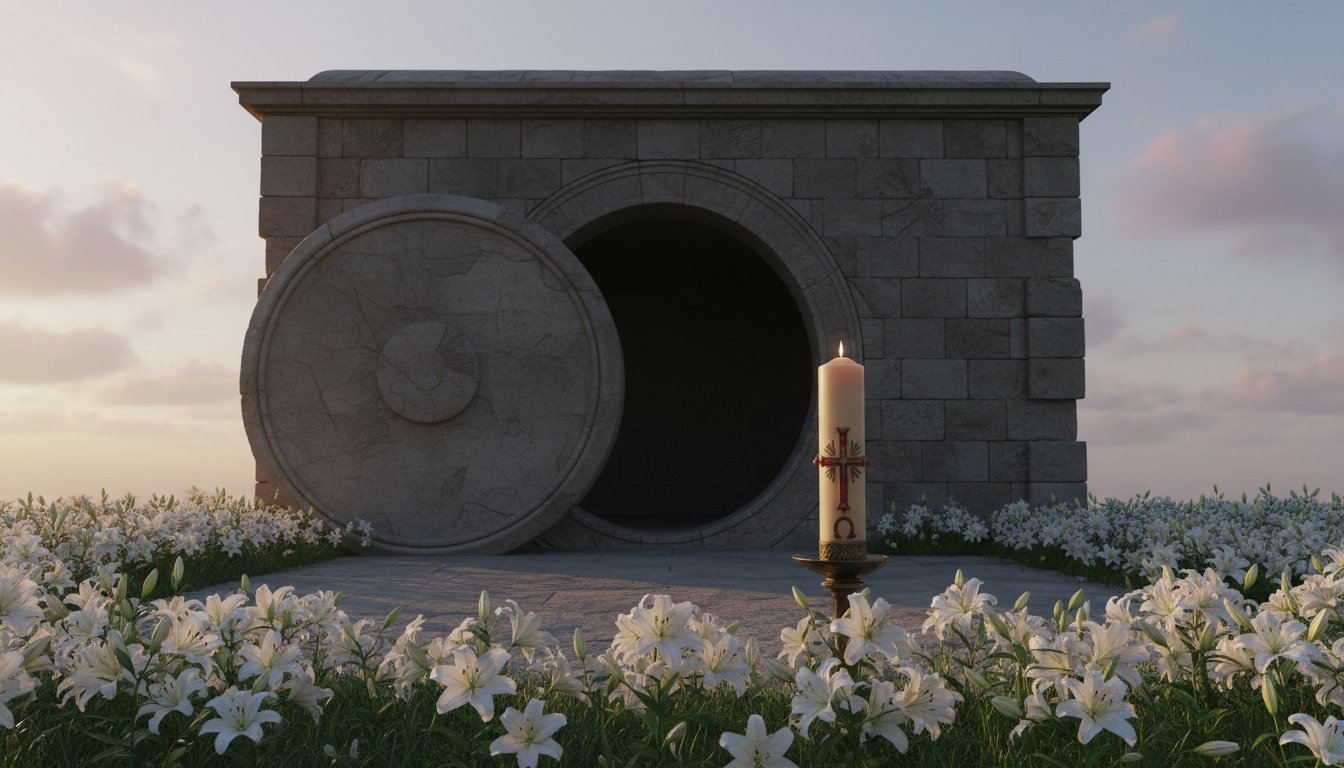
28 Feb Monday’s Place in Catholic Resurrection History
In the Catholic tradition, Easter Monday holds a special place as a day of joyous celebration and spiritual renewal, marking the resurrection of Jesus Christ. It’s a time to commemorate the early post-resurrection appearances of Christ, with festive Masses, processions, and community gatherings reinforcing the triumph over death. As you continue exploring the significance of this occasion, you’ll discover how Easter Monday connects the solemnity of Good Friday to the radiance of the Easter season.
Key Takeaways
- Easter Monday is observed in the Catholic tradition as the day after the resurrection of Jesus Christ, marking the beginning of the 50-day Easter season.
- The observance of Easter Monday dates back to the early years of Christianity and was formalized by the 4th-century Council of Nicaea.
- The Gospels describe appearances of the resurrected Jesus to his disciples, contributing to the significance of Easter Monday as part of the Easter triduum.
- Easter Monday liturgical observances emphasize the triumph of the Resurrection, with festive Masses, processions, blessings, and community gatherings for spiritual renewal.
- Catholic communities celebrate Easter Monday with a variety of traditions, including outdoor activities, meals, pilgrimages, and charitable works, reinforcing fellowship and shared faith.
The Significance of Easter Monday in Catholic Tradition
In Catholic tradition, Easter Monday holds a significant place as a day to celebrate the resurrection of Jesus Christ. It’s the day after Easter Sunday, the most important feast in the Christian calendar. On this day, the faithful commemorate Christ’s triumph over death and his glorious rising from the grave.
Many churches hold special masses and processions, while families gather for festive meals. It’s a time of joy, renewal, and reflection on the profound meaning of the Resurrection. Through these observances, Catholics reaffirm their faith and the hope it brings, as they continue the fifty-day Easter season.
Easter Monday’s observance is a cherished tradition that connects believers to the heart of their religious heritage.
The Historical Origins of Easter Monday Observances
The observance of Easter Monday has deep historical roots in Catholic tradition. The day after Easter Sunday has been celebrated since the early years of Christianity. In the 4th century, the Council of Nicea formally established Easter Monday as a day of religious observance. Over time, it became a day of feasting, fellowship, and commemoration of Christ’s resurrection.
Many churches hold special masses or services, while families gather for meals and festivities. The custom of egg-rolling, where hard-boiled eggs are rolled down hills, also dates back centuries.
Today, Easter Monday remains an important part of the Easter triduum in Catholicism, linking the solemn events of Good Friday to the joyous celebration of the Resurrection.
The Emergence of Easter Monday From Resurrection Narratives
How did Easter Monday emerge from the biblical accounts of Christ’s resurrection? The Gospels describe Jesus appearing to his disciples on the first day after his death, which Christians later commemorated as Easter Sunday. But over time, the events of the following day, Monday, also gained significance. Accounts tell of the disciples encountering the risen Christ, and the women visiting the tomb. This led to the establishment of Easter Monday as a day to reflect on the aftermath of the resurrection. The Catholic Church formalized the observance, seeing it as an extension of the Easter celebration and a chance to contemplate Christ’s early post-resurrection appearances. Today, Easter Monday remains a significant holy day in the Catholic tradition, honoring this pivotal moment in resurrection history.
The Religious and Liturgical Observance of Easter Monday
How does the Catholic Church observe and celebrate Easter Monday through its religious traditions and liturgical practices? Easter Monday holds a special place in the Church’s liturgical calendar. It’s a day of joyous celebration, commemorating Christ’s resurrection and the hope it brings.
Many parishes host festive Masses, filled with hymns, prayers, and readings that reflect the triumph over death. Processions, special blessings, and community gatherings are common. Some regions even incorporate regional customs, like the blessing of eggs or the “white Masses” celebrated in parts of Europe.
Ultimately, Easter Monday allows the faithful to bask in the radiance of the Resurrection, drawing strength and renewal from this pivotal moment in salvation history.
Celebrating Easter Monday Across Catholic Communities
Across Catholic communities, Easter Monday is celebrated through cherished traditions and customs that foster spiritual renewal. Community gatherings on this day often hold deep significance, providing opportunities for fellowship, prayer, and celebration of the Resurrection.
Exploring these vibrant Easter Monday observances can deepen your understanding of the Catholic faith’s rich heritage and the profound meaning of the Easter season.
Traditions and Customs
For Catholic communities around the world, Easter Monday marks a joyous continuation of the Easter celebrations. Traditions and customs vary, but often include outdoor activities, family gatherings, and special meals. In some places, people embark on pilgrimages or attend local festivals. Children may hunt for eggs or participate in egg-rolling contests. Parishes often hold special masses or processions. Throughout the day, the faithful come together to revel in the resurrection of Christ. These customs reflect the universal joy and reverence shared by Catholics as they commemorate this sacred time.
Spiritual Renewal Celebrations
Why do Catholic communities around the world eagerly await Easter Monday? It’s a day to celebrate the Resurrection with spiritual renewal activities. Catholics attend special masses, go on pilgrimages, and engage in charitable works. Some communities organize processions, reenactments, and festivals. These events foster a sense of community and faith. They’re also opportunities for personal reflection and growth. Families gather for meals and quality time. Children may enjoy Easter egg hunts and other traditions. Overall, Easter Monday is a cherished time for Catholics to deepen their connection with the divine and one another through devotion, celebration, and fellowship.
Community Gatherings Significance
What makes the community gatherings on Easter Monday so significant for Catholic congregations? The shared joy and fellowship at these events reinforce the unity of the faithful. You’ll see families, friends, and neighbors celebrating Christ’s resurrection together. It’s a time to reflect on the meaning of the holy day and strengthen communal bonds. The festivities often include prayer, hymns, and traditional Easter foods, reminding all of the sacred significance. These community gatherings on Easter Monday aren’t merely social – they’re sacred moments that deepen one’s Catholic identity and relationship with the divine. The vibrant atmosphere captures the spirit of renewal and togetherness central to the Easter season.
The Spiritual Significance of Easter Monday Observance
On Easter Monday, Catholics celebrate the renewed spiritual vitality that comes from honoring the Resurrection journey. This day offers a chance to reflect on the transformative power of Christ’s triumph over death. By observing Easter Monday, you can deepen your connection to the profound mysteries of the faith.
Renewed Spiritual Vitality
Surely, the observance of Easter Monday holds a profound spiritual significance, inviting you to renew your connection with the joyous resurrection of Christ. It’s a time to bask in the renewed vitality of your faith, allowing the transformative power of the Paschal Mystery to permeate your being. Don’t merely observe the day; embrace it as an opportunity to reignite your spiritual fervor. Engage in acts of devotion, contemplation, and service that revitalize your relationship with the divine. Let the Easter celebration continue, and let its radiant light illuminate your path forward, guiding you towards a deeper, more vibrant faith.
Honoring Resurrection Journey
Why does the observance of Easter Monday hold such profound spiritual significance for you? As a Catholic, you recognize this day as a continuation of your Resurrection journey. You honor Christ’s triumph over death, reflecting on the hope and renewal it brings. Through prayer and contemplation, you deepen your connection to the divine mystery.
Easter Monday reminds you to live each day with purpose, embracing the promise of eternal life. It’s a time to celebrate the Church’s rebirth, rejoicing in your faith’s resilience. This observance fortifies your spiritual vitality, strengthening your resolve to follow Christ’s example of compassion and service.
Frequently Asked Questions
Is Easter Monday a Public Holiday in the Catholic Church?
Yes, Easter Monday is a public holiday in the Catholic Church. It’s the day after Easter Sunday, which celebrates Jesus Christ’s resurrection.
As a recognized religious holiday, many Catholic-majority countries observe Easter Monday as a day off from work and school, allowing the faithful to continue their Easter celebrations.
Why Is Easter Monday Celebrated Differently Across Catholic Communities?
Easter Monday is celebrated differently across Catholic communities because local traditions and customs have shaped its observance. Some emphasize its spiritual significance, while others focus more on festive celebrations. The degree of emphasis can vary, reflecting the unique cultural and historical influences within each Catholic community.
Ultimately, the diversity in Easter Monday observances reflects the richness and adaptability of Catholic practices worldwide.
How Does the Observance of Easter Monday Vary Between Dioceses?
The observance of Easter Monday varies significantly across Catholic dioceses. In some, it’s a national or regional public holiday with Church services, while in others, it’s a regular workday with minimal religious observance. The degree of celebration often depends on local traditions and the importance placed on the day within that particular diocese or region.
What Are the Key Theological Debates Around the Easter Monday Tradition?
The key theological debates around the Easter Monday tradition center on its biblical basis, historical origins, and symbolic significance. Some argue it’s a post-biblical addition lacking scriptural foundation, while others see it as a meaningful extension of Easter’s celebration of Christ’s resurrection. Discussions also focus on how Easter Monday observances should be observed and whether they’re essential to Catholic liturgy.
Does the Pope Participate in Any Special Easter Monday Events?
The Pope doesn’t participate in any special Easter Monday events. Instead, he typically takes a break after the busy Easter celebrations and may use the day to rest or attend to other duties.
The focus on Easter Monday in Catholic tradition is more on the general observance of the Resurrection, rather than any specific papal events.
Conclusion
You’ve explored the rich history and significance of Easter Monday within the Catholic tradition. From its origins in Resurrection narratives to its enduring religious and spiritual significance, this day holds a unique place in the Church’s liturgical calendar. As you continue your observance and celebration of Easter, may the joy and hope of Christ’s rising inspire your faith and deepen your connection to the broader Catholic community.










No Comments