

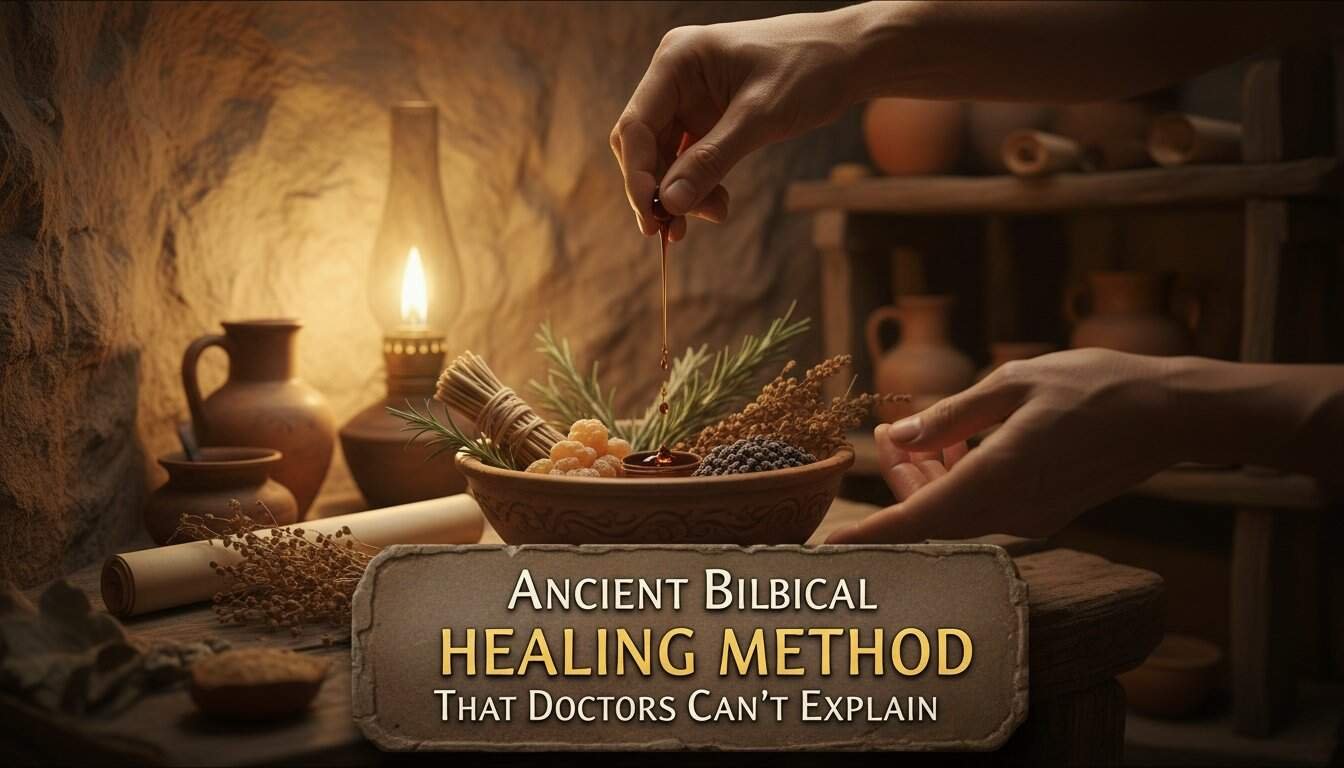
30 Jan Ancient Biblical Healing Method That Doctors Can’t Explain
Biblical healing methods like prayer, laying on of hands, and anointing with oil aren’t unexplainable to doctors—they simply lack clinical validation. You’ll find that systematic reviews and randomized controlled trials, including the large-scale STEP study with 1,802 cardiac patients, show no statistically significant therapeutic benefits from intercessory prayer. Doctors remain skeptical because these practices don’t meet evidence-based standards, relying instead on anecdotal reports that could reflect placebo effects or spontaneous remission. Understanding the science behind this skepticism reveals important insights.
Key Takeaways
- Biblical healing methods like prayer, laying on of hands, and anointing operate outside established medical frameworks without clinical validation.
- Large-scale studies including the STEP trial with 1,802 patients found no statistically significant therapeutic benefits from distant prayer.
- Doctors remain skeptical because anecdotal healing stories don’t meet rigorous scientific standards requiring reproducible, measurable evidence.
- Reported healing successes may reflect placebo effects, spontaneous remission, or confirmation bias rather than divine intervention.
- Faith-based healing practices rely on metaphysical principles instead of proven pharmacological or surgical interventions used in medicine.
What Are Biblical Healing Methods?

What exactly constitutes a biblical healing method, and how do these practices differ from conventional medical interventions? Biblical healing encompasses therapeutic approaches documented in ancient texts, primarily involving prayer, laying on of hands, anointing with oils, and spiritual intercession. These faith practices operate outside established medical frameworks, lacking peer-reviewed clinical validation or mechanistic explanations recognized by modern medicine.
You’ll find these methods rely on metaphysical principles rather than pharmacological or surgical interventions. Practitioners claim effectiveness through divine intervention, energy transfer, or spiritual restoration. However, documented outcomes remain largely anecdotal, with few controlled studies examining their efficacy.
The fundamental distinction lies in methodology: conventional medicine employs evidence-based protocols with measurable physiological mechanisms, while biblical healing depends on faith-based assumptions. Critics argue that reported successes may reflect placebo effects, spontaneous remission, or confirmation bias rather than supernatural intervention. Without rigorous scientific scrutiny, these ancient practices remain unsubstantiated within contemporary medical paradigms.
Scientific Research on Prayer and Health
How extensively has modern science examined prayer’s potential therapeutic effects, and what do rigorous studies reveal about its medical value? You’ll find that researchers have conducted numerous randomized controlled trials investigating prayer efficacy across various medical conditions. The largest systematic reviews, including studies from institutions like Harvard Medical School and Mayo Clinic, demonstrate mixed results at best.
When you examine double-blind studies on intercessory prayer, you’ll discover that most show no statistically significant differences between prayed-for patients and control groups. The STEP study, involving 1,802 cardiac surgery patients, found no therapeutic benefit from distant prayer. Critics argue that positive outcomes in smaller studies likely reflect placebo effects, selection bias, or statistical anomalies rather than supernatural intervention.
You should note that while prayer may provide psychological comfort and stress reduction—which can indirectly benefit health—the clinical evidence doesn’t support direct physiological healing mechanisms beyond conventional medical explanations.
Why Doctors Remain Skeptical of Faith Healing
Why do medical professionals consistently reject faith healing claims despite passionate testimonials from believers? You’ll find their faith skepticism stems from rigorous scientific methodology that demands reproducible evidence. Medical professionals require controlled studies, statistical significance, and peer review before accepting therapeutic interventions.
Your anecdotal healing stories don’t meet these clinical standards. Doctors recognize confirmation bias, where you remember successful outcomes while forgetting failures. They’ve observed spontaneous remissions that occur naturally, regardless of prayer intervention. The placebo effect also explains many perceived improvements you attribute to divine healing.
When examining prayer efficacy through randomized controlled trials, researchers consistently find no measurable therapeutic benefit beyond statistical chance. You can’t isolate prayer’s effects from conventional medical treatment, making causal relationships impossible to establish.
Medical professionals maintain this skeptical stance because patient safety requires evidence-based protocols. They won’t recommend unproven treatments when scientifically validated therapies exist for your condition.
Modern Faith Communities and Healing Practices
Across denominations, you’ll encounter faith communities that integrate healing practices ranging from laying on of hands to anointing with oil, yet these rituals lack standardized protocols or measurable outcomes. Contemporary churches employ faith based medicine through prayer circles, healing services, and intercessory ministries, but you won’t find controlled studies validating their effectiveness.
Pastoral care often incorporates therapeutic elements like emotional support and stress reduction, which may contribute to improved well-being through psychological mechanisms rather than supernatural intervention. You’ll observe that modern practitioners frequently combine traditional medical treatment with spiritual practices, creating confounding variables that complicate any assessment of healing efficacy.
While testimonials abound within these communities, you’re dealing with anecdotal evidence subject to confirmation bias and selective reporting. Most healing claims involve conditions with strong psychosomatic components or natural recovery patterns, making it difficult to isolate any genuine therapeutic effects from placebo responses or coincidental medical improvements.
Frequently Asked Questions
Are There Any Documented Cases of Biblical Healing Methods Curing Terminal Illnesses?
You’ll find no rigorously documented cases of biblical healing methods curing terminal illnesses in peer-reviewed literature.
Modern clinical trials haven’t validated these approaches beyond documented placebo effects.
While anecdotal reports exist, they lack proper controls, objective measurements, and independent verification.
You’re dealing with testimonials rather than scientific evidence.
Contemporary oncology relies on evidence-based treatments with measurable efficacy rates.
What Specific Herbs or Substances Were Used in Ancient Biblical Healing Practices?
You’ll find biblical texts mention frankincense, myrrh, hyssop, and balm of Gilead as herbal remedies. However, you shouldn’t assume these substances had verified therapeutic properties beyond placebo effects. Ritual cleansing with oils and aromatic compounds likely served ceremonial rather than medicinal purposes. Modern clinical evidence doesn’t support claims that these ancient preparations cured serious diseases, despite their cultural significance in religious practices.
How Do Biblical Healing Methods Compare to Other Ancient Medical Traditions?
You’ll find biblical healing methods share significant parallels with contemporaneous ancient medical traditions, particularly regarding healing ethics and divine intervention concepts. However, medicinal narratives in biblical texts lack the systematic pharmacological documentation found in Egyptian papyri or Mesopotamian medical tablets. While other traditions emphasized empirical observation and herbal specificity, biblical accounts primarily focus on faith-based interventions with limited clinical detail or reproducible therapeutic protocols.
Can Biblical Healing Methods Be Safely Combined With Conventional Medical Treatments?
You shouldn’t combine ancient wellness practices with medical treatments without physician consultation. Faith-based practices lack rigorous clinical validation and may interfere with evidence-based therapies. While complementary approaches can provide psychological benefits, they shouldn’t replace proven medical interventions. You risk delaying necessary treatment or experiencing adverse interactions. Discuss any faith-based practice with your healthcare provider to ensure it doesn’t compromise your treatment protocol or clinical outcomes.
What Are the Potential Risks or Side Effects of Biblical Healing Practices?
You’ll encounter significant risks with unverified remedies lacking scientific validation. These practices can delay essential medical treatment, potentially worsening your condition. You’re exposed to contaminated substances, incorrect dosages, and drug interactions when using unstandardized preparations. Ethical concerns arise when practitioners make unfounded healing claims without medical training. You risk psychological harm if expected results don’t materialize, and financial exploitation through expensive treatments lacking clinical evidence.
Conclusion
You’ll find that controlled studies consistently show no statistically significant differences between faith-based interventions and placebo effects. While you might experience subjective improvements through prayer or religious practices, there’s insufficient empirical evidence supporting supernatural healing mechanisms. You shouldn’t substitute traditional medical treatment with faith-based alternatives. If you’re considering complementary spiritual practices, you’ll need rigorous clinical oversight and evidence-based medical care as your primary treatment protocol.









No Comments