

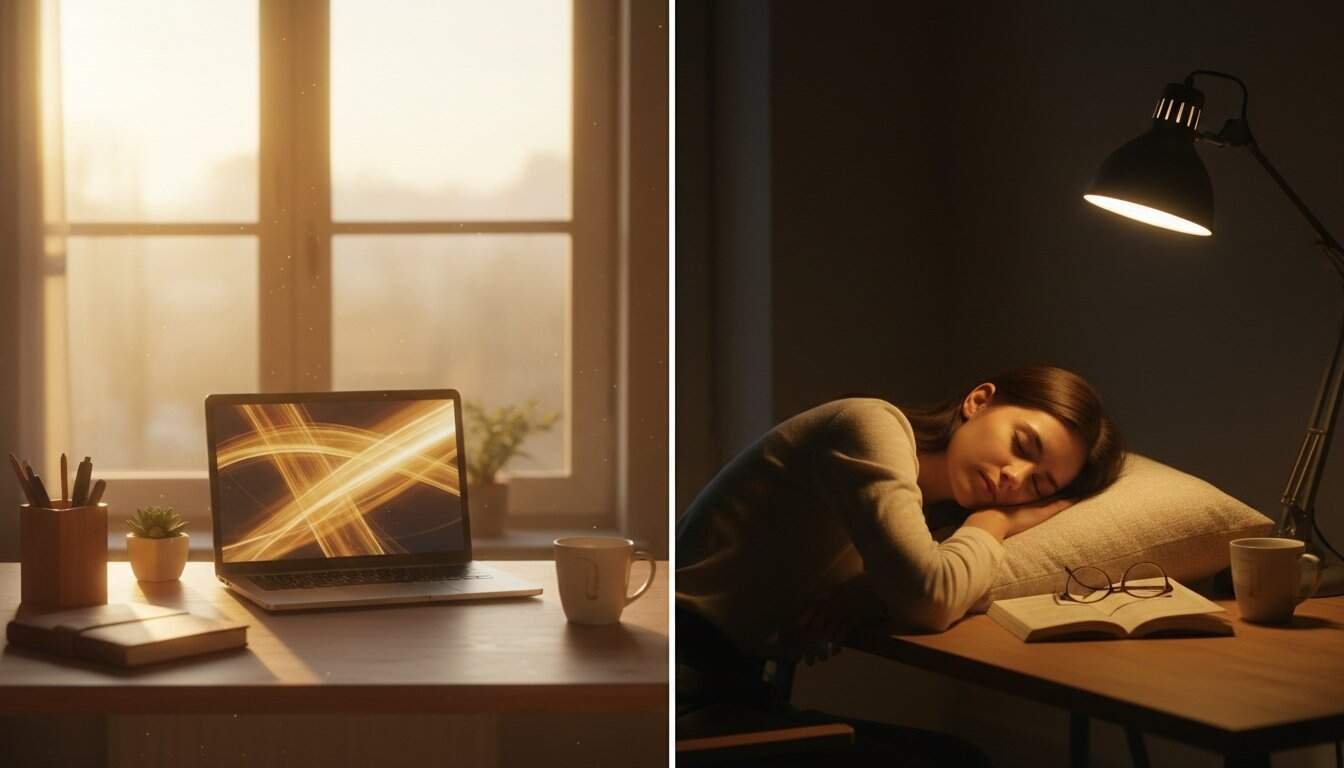
05 Jan How “Light of the World” Can Brighten Your Daily Grind and Calm Nighttime Anxiety
You can harness the universal “light of the world” concept from Christianity, Buddhism, Hinduism, and other traditions to activate your body’s natural relaxation response. Light-based breathing exercises and visualization reduce cortisol levels while shifting your perspective from darkness to possibility. During overwhelming days, practice the “kind friend” technique and micro-moments of gratitude to access your steady inner light. Evening rituals like gentle stretches and light-filled meditation calm nighttime anxiety by honoring the luminous presence beneath your worries.
Key Takeaways
- Light symbolism from various faiths represents hope and spiritual awakening, activating the brain’s relaxation response to reduce cortisol and anxiety.
- Research-backed techniques like intentional breathing and self-compassion mantras help access your steady inner light despite external chaos and daily stress.
- Evening rituals including gentle stretches, gratitude journaling, and dimming artificial lights naturally prepare your body for restorative sleep cycles.
- Light-based mindfulness transforms your relationship with anxious thoughts by illuminating patterns without judgment rather than suppressing negative emotions.
- Visualizing thoughts surrounded by gentle light while practicing conscious breathing shifts you from reactive anxiety to calm observational awareness.
Understanding the “Light of the World” Concept Across Different Traditions
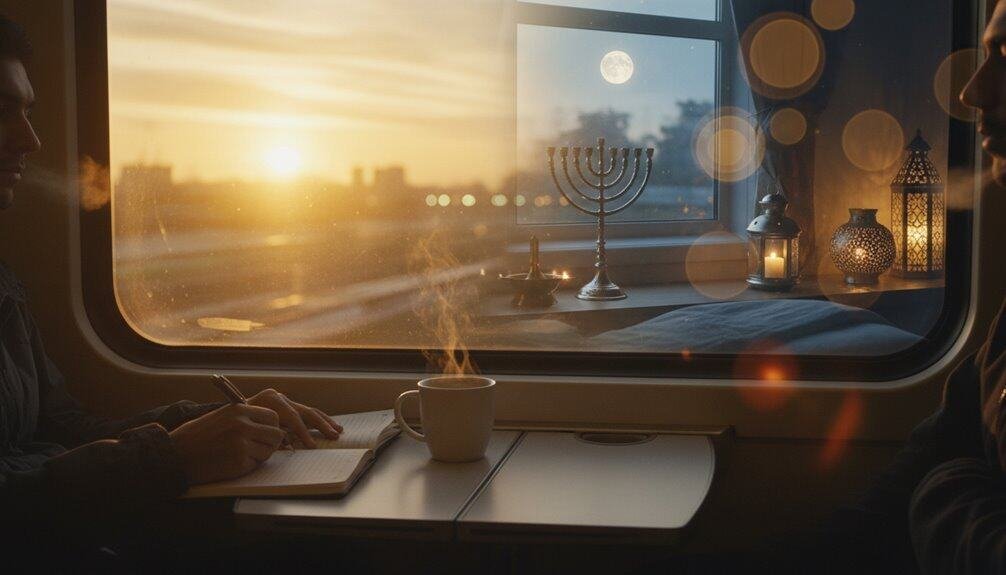
When you’re feeling overwhelmed by daily stress or lying awake with anxious thoughts, the concept of “light of the world” offers a powerful framework for finding peace that transcends religious boundaries.
Christianity views Jesus as the literal “light of the world,” bringing divine illumination to darkness. Buddhism speaks of enlightenment as awakening to your inner light, while Hinduism describes the eternal flame within each soul. Judaism references the Shekinah—God’s radiant presence—and Islam mentions Allah as “the light of the heavens and earth.”
Across faiths, light symbolizes divine presence and spiritual awakening—from Jesus’s illumination to Buddha’s enlightenment to Allah’s celestial radiance.
These traditions share common threads: light represents clarity, hope, and spiritual awakening. Research shows that contemplating these metaphors activates your brain’s relaxation response, reducing cortisol levels and anxiety symptoms.
You don’t need specific religious beliefs to benefit. Whether you interpret this light as divine energy, consciousness, or simply positive intention, focusing on illumination helps shift your perspective from darkness to possibility, creating measurable psychological relief.
Practical Ways to Access Your Inner Light During Overwhelming Days
Although overwhelming days can make your inner light feel impossibly distant, you can reconnect with it through specific, research-backed techniques that require just minutes to implement.
Start with intentional breathing. Take five deep breaths while placing your hand on your heart, acknowledging your current struggles without judgment. This simple act activates your parasympathetic nervous system and creates space for self-awareness.
Practice the “kind friend” technique by asking yourself: “What would I tell a dear friend facing this situation?” This approach naturally leads to cultivating self compassion instead of harsh self-criticism.
Try the “good enough” mantra when perfectionism strikes. Remind yourself that embracing imperfection doesn’t mean lowering standards—it means recognizing your humanity while maintaining progress.
Create micro-moments of gratitude by naming three specific things you handled well today, however small. These practices don’t eliminate stress but help you access the steady light within that remains constant despite external chaos.
Evening Rituals to Channel Light Energy for Better Sleep
Since nighttime anxiety often stems from carrying the day’s stress into evening hours, establishing rituals that consciously shift your energy toward inner calm can transform your relationship with sleep. You’re creating a bridge between your hectic day and restorative night.
Start with calming evening stretches that release physical tension while centering your mind. Gentle yoga poses like child’s pose or legs-up-the-wall activate your parasympathetic nervous system, signaling safety to your body. Research shows that stretching before bed reduces cortisol levels and improves sleep quality.
Next, incorporate soothing bedtime routines that honor your inner light. Try journaling three moments when you felt peaceful today, or practice gratitude meditation while focusing on warmth in your heart center. Dim artificial lighting an hour before sleep, allowing your natural circadian rhythms to emerge. These practices don’t just prepare you for rest—they reconnect you with the calm, luminous presence that exists beneath anxiety’s surface.
Transforming Anxious Thoughts Through Light-Based Mindfulness Techniques
Why do anxious thoughts feel so overwhelming in the darkness of worry, yet seem to dissolve when exposed to conscious awareness? Research shows that mindful attention acts like a beam of light, illuminating thought patterns and reducing their emotional intensity.
Light based breathing exercises offer a powerful tool for this transformation. As you inhale, visualize drawing in golden light that fills your chest and mind. With each exhale, imagine releasing dark, anxious energy. This technique activates your parasympathetic nervous system while creating mental distance from worry.
Luminous self reflection deepens this practice. When anxiety strikes, pause and ask: “What would it feel like if this thought were surrounded by gentle light?” This simple question shifts your brain from reactive mode to observational awareness.
Studies demonstrate that visualization combined with mindfulness reduces cortisol levels by up to 30%. You’re not suppressing anxious thoughts—you’re transforming your relationship with them through conscious, light-filled attention.
Frequently Asked Questions
Can Artificial Light Therapy Replace Spiritual “Light of the World” Practices?
Artificial light therapy can’t replace spiritual practices, but it complements them beautifully. You’ll find that natural light exposure enhances your spiritual connection while providing measurable solar energy benefits for your circadian rhythm and mood.
Light therapy addresses your physical well-being through improved sleep and reduced seasonal depression, while spiritual “light of the world” practices nurture your soul’s deeper needs for meaning and transcendence.
How Long Does It Take to See Results From Light-Based Mindfulness?
You’ll typically notice initial improvements in mood and focus within 3-7 days of consistent light-based mindfulness practice.
For sustained benefits, you’ll need 2-4 weeks of regular sessions with measured light intensity between 2,500-10,000 lux. Your duration of light exposure should start at 15-20 minutes daily, gradually increasing to 30 minutes.
Individual responses vary based on your circadian rhythm sensitivity and baseline anxiety levels.
Are There Any Side Effects From Practicing Light Energy Rituals?
You’ll generally find light energy rituals safe with minimal potential side effects. Some people experience temporary eye strain from bright lights or mild headaches during initial practice.
Spiritual light dangers are rare but can include overstimulation if you’re sensitive to intense meditation. You might feel emotionally overwhelmed as blocked energy releases. Start slowly, listen to your body’s responses, and reduce intensity if you experience persistent discomfort or sleep disruption.
Can Children Safely Practice These Light Meditation Techniques?
Yes, children can safely practice light meditation techniques with proper guidance. You’ll want to ensure age appropriate instruction that matches their developmental stage and attention span.
Supervised meditation sessions work best, allowing you to monitor their comfort and engagement. Start with shorter sessions using simple visualizations they can easily understand. These practices can help children develop emotional regulation skills and reduce anxiety when introduced gradually and supportively.
What Equipment or Tools Are Needed for Light-Based Anxiety Relief?
You’ll need minimal equipment for effective light-based anxiety relief. Bright light therapy lamps (10,000 lux recommended) provide targeted treatment for seasonal depression and anxiety.
Full spectrum light bulbs can replace standard bulbs in your home, creating a more natural lighting environment. You can also practice basic light meditation techniques using natural sunlight or even candlelight. Start with what you have available before investing in specialized equipment.
Conclusion
You’ve discovered how the “light of the world” concept transcends cultural boundaries to offer practical relief from daily stress and nighttime worry. Research shows that light-based practices—whether through visualization, meditation, or intentional connection with your inner radiance—can measurably reduce cortisol levels and improve sleep quality. You’re now equipped with evidence-backed tools to transform overwhelming moments into opportunities for grounding. Start with one technique tonight, and you’ll begin experiencing calmer days and more restful nights.


Table of Contents








No Comments