

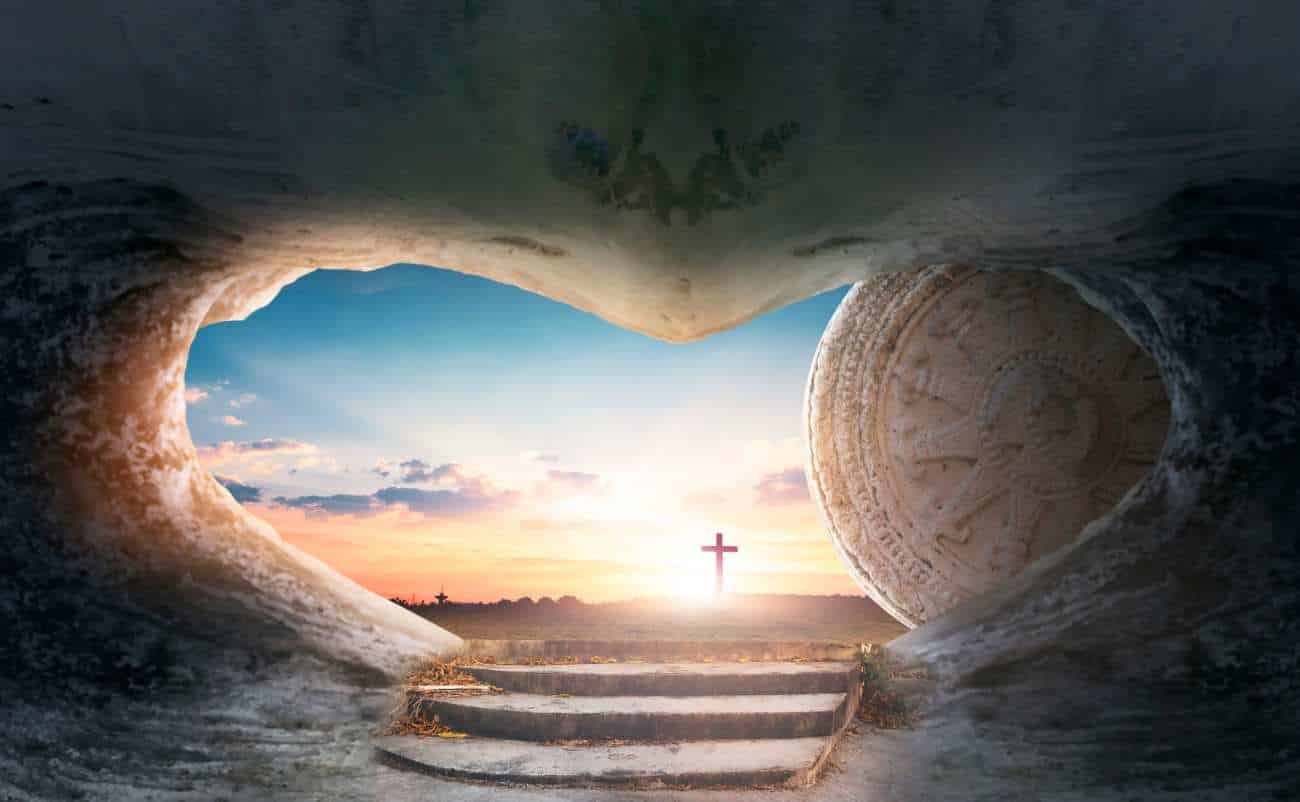
27 Apr Celebrating the Second Sunday of Easter: Traditions, Reflections, and Spiritual Renewal
What Is the Second Sunday of Easter?
The Second Sunday of Easter, celebrated one week after Easter Sunday, is more than just a continuation of the season—it holds its own theological and spiritual significance. Often called Divine Mercy Sunday, it marks a time for believers to reflect on Christ’s merciful love and the ongoing joy of the Resurrection.
Table of Contents
On this day, the Church invites the faithful to deepen their trust in Jesus, embrace forgiveness, and renew their spiritual lives. The liturgy, readings, and traditions observed across the globe contribute to this profound sense of reflection and celebration.
In this article, we’ll explore the origins, customs, biblical foundations, and ways to enhance your spiritual experience of the Second Sunday of Easter.
Understanding the Significance of the Second Sunday of Easter
A Continuation of Easter Joy
The Easter season lasts 50 days, and the Second Sunday of Easter acts as a reminder that the Resurrection is not a one-day event but a continuous celebration of life over death.
John 20:29 (NIV) – Then Jesus told him, “Because you have seen me, you have believed; blessed are those who have not seen and yet have believed.”
Divine Mercy Sunday
In 2000, Pope John Paul II named this day Divine Mercy Sunday, inspired by Saint Faustina Kowalska’s visions. The day emphasizes God’s boundless mercy and calls Christians to trust in Jesus’ redemptive love.


Historical Background and Origins of Easter Traditions
Early Christian Practices
From the earliest centuries, Christians gathered weekly on Sundays to celebrate the Resurrection. The first Sunday after Easter quickly became a favored time to continue that rejoicing, especially as newly baptized members entered their first full week as Christians.
Emergence of Divine Mercy Devotion
Saint Faustina, a Polish nun in the 1930s, documented her revelations from Jesus, who desired a feast dedicated to His mercy. Pope John Paul II canonized her and established Divine Mercy Sunday to deepen the Church’s understanding of Christ’s compassion.
Titus 3:5 (NIV) – He saved us, not because of righteous things we had done, but because of His mercy.
Common Traditions Celebrated on the Second Sunday of Easter
Attending Mass and Praying the Divine Mercy Chaplet
One of the key practices is attending Mass and praying the Divine Mercy Chaplet, often at 3:00 PM, the “Hour of Mercy.” This time is believed to correspond with Jesus’ death on the cross.
Confession and Eucharistic Devotion
The faithful are encouraged to receive the Sacrament of Reconciliation and Holy Communion. Jesus promised special graces on this day for those who trust in His mercy and approach Him with a repentant heart.
Venerating the Divine Mercy Image
Many churches display the Divine Mercy image of Jesus with red and white rays, symbolizing blood and water, with the words: “Jesus, I trust in You.”

The Role of Scripture and Readings in Easter Celebrations
Gospel of Doubting Thomas
The Gospel reading on this Sunday is always John 20:19–31, recounting Jesus’ appearance to the disciples and His interaction with Thomas, who doubted until he saw and touched Christ’s wounds.
John 20:27 (NIV) – “Put your finger here; see my hands. Reach out your hand and put it into my side. Stop doubting and believe.”
Emphasis on Faith and Trust
This passage reinforces themes of belief, forgiveness, and peace, essential to the Easter message. It calls Christians to move beyond doubt and embrace the reality of the Resurrection.
Reflections on Spiritual Renewal During the Easter Season
A Season of New Beginnings
Just as spring brings new life, Easter is a time for spiritual growth, transformation, and renewed purpose. The Second Sunday is an ideal moment to realign with God’s promises.
Embracing Mercy in Daily Life
Believers are encouraged to reflect on how they give and receive mercy in their daily lives—through forgiveness, charity, and reconciliation.
Matthew 5:7 (NIV) – “Blessed are the merciful, for they will be shown mercy.”


Family Activities and Rituals for the Second Sunday of Easter
Home Altars and Prayer Time
Families can set up a home altar featuring the Divine Mercy image, candles, and Scripture to create a sacred space for prayer.
Reflective Journaling or Gratitude Lists
This is a great time for individuals or families to write down blessings, answered prayers, and areas for spiritual growth.
Crafting and Sharing Acts of Kindness
Children can make “mercy hearts” with kind messages or gifts and deliver them to neighbors or family members, spreading Easter joy and compassion.
How Different Cultures Celebrate the Second Sunday of Easter
Poland
Home to Saint Faustina, Poland holds large-scale Divine Mercy Sunday processions, Masses, and shrine pilgrimages, especially in Łagiewniki.
Philippines
Filipino communities often gather for festive meals, novenas, and chaplet prayers, integrating local customs with liturgical practices.
United States and Latin America
Many parishes host Divine Mercy devotions, including confessions, adoration, and community outreach programs. Spanish-speaking communities may also include Marian songs and regional music.

The Importance of Community and Fellowship in Easter Celebrations
Reaching Out to the Needy
Many churches organize charity drives or food distributions during the Easter season, aligning with the message of mercy and compassion.
Hebrews 10:24-25 (NIV) – “And let us consider how we may spur one another on toward love and good deeds…”
Strength in Worship Together
Community gatherings for Mass, prayer groups, and devotional events help strengthen faith and connection. Celebrating together reminds believers they are part of the Body of Christ.
Tips for Deepening Your Spiritual Experience This Easter
Reflect on Your Faith Journey
Use this time to ask: Where has God shown me mercy? Where do I need to grow in mercy toward others?
Schedule a Spiritual Retreat or Quiet Time
Even a few hours away from daily distractions can refresh your soul and reconnect you with the meaning of Easter.
Memorize Scripture or Pray the Chaplet Regularly
Daily or weekly recitation of the Divine Mercy Chaplet can build spiritual habits that last far beyond the Easter season.

FAQs About Second Sunday of Easter
What is the Second Sunday of Easter?
The Second Sunday of Easter is the first Sunday after Easter Sunday and is also known as Divine Mercy Sunday. It celebrates the ongoing joy of the Resurrection and highlights God’s infinite mercy.
Why is it called Divine Mercy Sunday?
Pope John Paul II designated it as such in 2000, following the revelations to Saint Faustina Kowalska. It focuses on trusting Jesus, seeking His forgiveness, and extending mercy to others.
What are the key traditions on this day?
Key traditions include attending Mass, praying the Divine Mercy Chaplet, going to confession, venerating the Divine Mercy image, and performing acts of mercy.
What scripture is read on the Second Sunday of Easter?
The Gospel reading is John 20:19–31, which tells of Jesus’ appearance to the disciples and the conversion of doubting Thomas. It reinforces the importance of faith and trust in Jesus.
Is the Second Sunday of Easter only celebrated by Catholics?
While primarily celebrated in the Catholic Church, the messages of the Second Sunday of Easter—resurrection, mercy, and faith—are meaningful to all Christians and can inspire spiritual renewal across denominations.
How can families celebrate the Second Sunday of Easter at home?
Families can pray together, set up a home altar, craft messages of mercy, reflect on their blessings, and engage in charitable acts to embody the spirit of the day.
Key Takeaway:
In the morning, Lord, you hear my voice; in the morning I lay my requests before you and wait expectantly. Psalm 5:3
In Conclusion, the Second Sunday of Easter is a powerful reminder that Christ’s resurrection is not a past event but a present reality. Through traditions, prayer, Scripture, and community, this day invites believers into deeper trust, forgiveness, and joy.
Whether you’re attending a Divine Mercy celebration, reflecting on your faith, or performing acts of kindness, the message is clear: Jesus is alive, and His mercy endures forever. Embrace this moment to renew your spirit, heal relationships, and celebrate the transforming power of Easter.




No Comments