

15 Dec Worship Songs Videos 2025: Trending Live Performances
You’re watching worship music’s digital revolution unfold as 2025’s trending performances merge sophisticated multi-camera production with authentic spiritual expression. Artists like Maverick City Music demonstrate how intimate worship settings can generate 200+ million views through strategic algorithm optimization and raw emotional authenticity. Churches now deploy dynamic lighting synchronized to musical crescendos while emerging independent artists leverage streaming platforms to bypass traditional industry gatekeepers. These productions balance technological innovation with worship’s fundamental purpose, creating immersive experiences that transform passive viewers into active participants across multiple platforms where each demands specific technical specifications and content formats.
Table of Contents
Key Takeaways
- Multi-camera arrays and dynamic lighting effects synchronized to music create immersive worship experiences that engage viewers beyond traditional static performances.
- Independent worship artists leverage streaming platforms and social media to reach global audiences, challenging established industry hierarchies through authentic content.
- Interactive visual effects including augmented reality overlays and audio-responsive elements transform passive viewing into participatory digital worship experiences.
- Platform-specific content optimization maximizes reach, with YouTube favoring longer formats, TikTok requiring vertical videos, and mobile-first design driving engagement.
- Viral worship performances employ intimate settings, raw emotion, and community participation to mirror mainstream pop culture’s viral mechanics and algorithm strategies.
Top Viral Worship Performances Breaking Streaming Records
Several worship performances have shattered traditional streaming boundaries, fundamentally reshaping how contemporary Christian music reaches global audiences. You’re witnessing a seismic shift where worship trends now mirror mainstream pop culture’s viral mechanics. Influential creators like Maverick City Music’s “Jireh” performance accumulated over 200 million views, proving worship content can compete with secular entertainment for attention spans.
These breakthrough moments aren’t accidental. You’ll notice successful viral worship videos employ strategic production elements: intimate settings, raw emotion, and authentic community participation. Artists like Elevation Worship and Bethel Music have mastered the algorithm game, understanding that worship’s emotional authenticity translates powerfully through digital screens.
However, you should question whether this streaming success genuinely advances spiritual formation or merely commodifies sacred experiences. The metrics-driven nature of viral content creates pressure to manufacture moments rather than cultivate genuine worship encounters, potentially undermining the very essence these performances claim to represent.
Innovative Production Techniques Transforming Live Worship Videos
You’re witnessing a fundamental shift in worship video production as churches abandon static single-camera setups for sophisticated multi-camera arrays that capture every angle of congregational engagement.
Interactive visual effects now sync with musical elements in real-time, creating immersive experiences that rival concert productions while maintaining theological authenticity. These technical advances aren’t just aesthetic upgrades—they’re reshaping how worship translates through digital mediums and directly impacting viewer retention metrics across streaming platforms.
Multi-Camera Dynamic Angles
The strategic deployment of multiple cameras throughout worship venues has fundamentally shifted how congregational experiences translate to digital platforms. You’re witnessing production teams orchestrate complex camera arrays that capture every nuanced moment—from intimate close-ups during prayer to sweeping overhead shots during crescendos. Dynamic camera movement now synchronizes seamlessly with musical transitions, creating visual narratives that mirror emotional arcs.
However, you’ll notice many productions still rely on predictable cuts between static positions. The most effective implementations integrate immersive lighting design with camera positioning, ensuring each angle serves the worship experience rather than distracting from it. You’re seeing directors experiment with unconventional perspectives—floor-level shots, handheld intimacy, and architectural framing—that transform passive viewing into participatory engagement, though execution quality varies significantly across different ministry contexts.
Interactive Visual Effects
Beyond strategic camera placement, worship production teams now harness real-time visual effects that respond directly to musical elements and congregational energy. You’ll notice dynamic lighting effects synchronized to vocal crescendos and instrumental breaks, creating atmospheric shifts that mirror worship’s emotional arc. These systems analyze audio frequencies in real-time, translating sound into visual poetry.
However, you’re witnessing a critical divide between enhancement and distraction. While immersive augmented reality overlays can deepen spiritual connection through scripture visualizations and symbolic imagery, excessive implementation risks overshadowing the worship experience itself.
The most effective productions maintain restraint, using interactive effects as supportive elements rather than centerpieces. Success depends on your team’s ability to balance technological capability with worship’s fundamental purpose—facilitating authentic spiritual encounters rather than merely showcasing production prowess.
Emerging Artists Leading the Digital Worship Movement
How are independent worship artists reshaping the contemporary Christian music landscape through digital platforms? You’ll find emerging artists leveraging streaming services, social media, and direct-to-fan platforms to bypass traditional gatekeepers and reach global audiences instantly. Artists like Kari Jobe, Jonathan David Helser, and Amanda Cook have built substantial followings through authentic, unpolished content that resonates more deeply than overproduced studio recordings.
These artists excel at digital storytelling, crafting narratives around their songs that connect personal testimony with universal spiritual themes. They’re creating immersive worship experiences through live-streamed intimate sessions, virtual reality concerts, and interactive prayer rooms that transcend geographical boundaries.
You’re witnessing a democratization of worship music where artistic authenticity trumps marketing budgets. Independent artists are setting trends that major labels now follow, emphasizing vulnerability over perfection. This shift challenges established industry hierarchies and gives you direct access to diverse voices previously marginalized by mainstream Christian music’s commercial constraints.
Multi-Platform Distribution Strategies for Maximum Reach
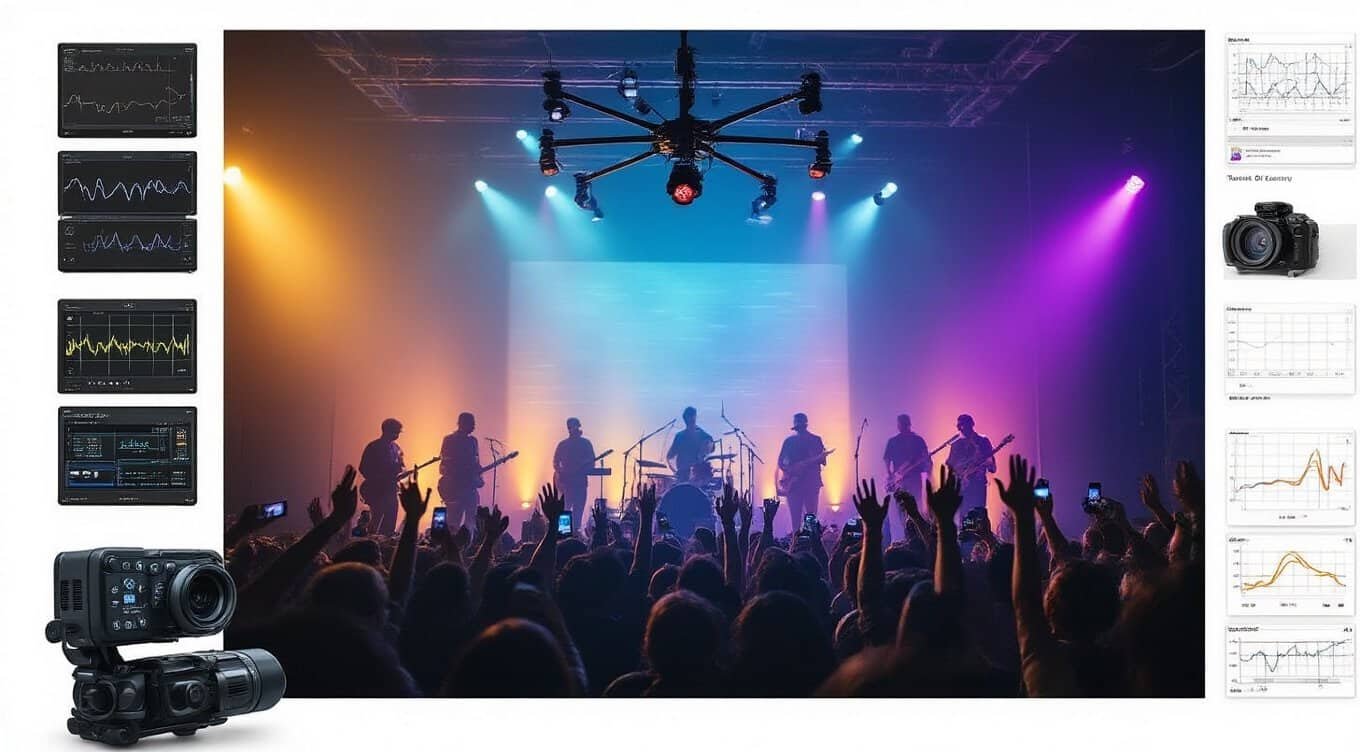
You can’t rely on uploading the same worship video across platforms and expecting optimal results—each platform demands specific technical specifications, aspect ratios, and content formats that directly impact discoverability and engagement. Your distribution strategy must coordinate simultaneous releases across streaming services while leveraging each platform’s unique algorithm requirements, whether that’s YouTube’s SEO optimization, Instagram’s story-first approach, or TikTok’s trend-based discovery system.
Social media amplification requires you to create platform-native content that drives traffic back to your primary streaming destinations, not just repurpose existing videos without strategic modification.
Cross-Platform Content Optimization
When worship songs videos remain confined to a single platform, they’re essentially preaching to an empty choir in the digital realm. You’ll need platform-specific optimization strategies that acknowledge each channel’s unique algorithmic preferences and user behaviors.
YouTube demands longer-form content with strategic timestamps, while TikTok requires vertical formats under sixty seconds. Instagram prioritizes square ratios for feed posts but vertical for Stories and Reels.
Content accessibility becomes critical when adapting across platforms—you can’t simply upload identical files everywhere. Mobile optimization drives engagement rates, particularly on platforms where 90% of users access content via smartphones.
Your thumbnail strategies, caption lengths, and audio mixing requirements vary dramatically between Facebook’s auto-play environment versus Spotify’s audio-focused platform, demanding tailored approaches rather than blanket distribution.
Streaming Service Coordination
Fragmentation across streaming services creates both unprecedented opportunities and complex challenges for worship music distribution. You’re navigating a landscape where YouTube, Spotify, Apple Music, and Amazon Music each demand different optimization strategies while competing for the same audience segments.
Cloud based platforms enable simultaneous distribution, but you can’t simply upload identical content everywhere and expect optimal results. Each platform’s algorithm prioritizes different engagement metrics, requiring tailored approaches to thumbnails, descriptions, and release timing.
User analytics insights reveal that worship audiences consume content differently across services—they’re seeking community on YouTube, discovering new artists on Spotify, and maintaining personal libraries on Apple Music. Strategic coordination maximizes reach while respecting platform-specific user behaviors and technical requirements.
Social Media Amplification
Every major social platform operates as a distinct ecosystem with unique algorithms, audience behaviors, and content optimization requirements that directly impact worship music visibility and engagement. You’ll need tailored strategies for each platform—TikTok demands vertical, hook-driven content within seconds, while YouTube prioritizes watch time and subscriber retention. Instagram Stories require different pacing than Reels, and Facebook’s algorithm favors meaningful conversations over passive consumption.
Strategic influencer marketing amplifies reach exponentially when you partner with worship leaders who’ve cultivated authentic followings. However, you can’t rely solely on influencer partnerships. Building genuine digital community engagement requires consistent interaction, responding to comments meaningfully, and creating content that sparks spiritual conversations rather than passive consumption. Cross-platform promotion works best when you adapt core content to each platform’s native format and audience expectations.
Interactive Features Enhancing Virtual Worship Experiences
You’re witnessing a fundamental shift in how congregations engage with worship content as interactive features transform passive video consumption into participatory spiritual experiences. Churches are implementing real-time prayer request submissions, live chat integration, and synchronized responsive readings that create personalized user engagement across digital platforms. These features establish immersive digital sanctuaries where viewers aren’t merely observers but active participants in collective worship.
However, this technological advancement raises critical questions about authentic spiritual connection versus manufactured interactivity. While polling features during sermons and virtual communion options increase engagement metrics, they potentially commodify sacred experiences. The most successful implementations balance technological innovation with theological integrity, ensuring that interactive elements serve spiritual purposes rather than merely boosting viewer retention statistics.
Churches must evaluate whether these features genuinely enhance worship or simply create digital distractions that fragment congregational focus during sacred moments.
Genre-Blending Collaborations Expanding Worship Music Boundaries
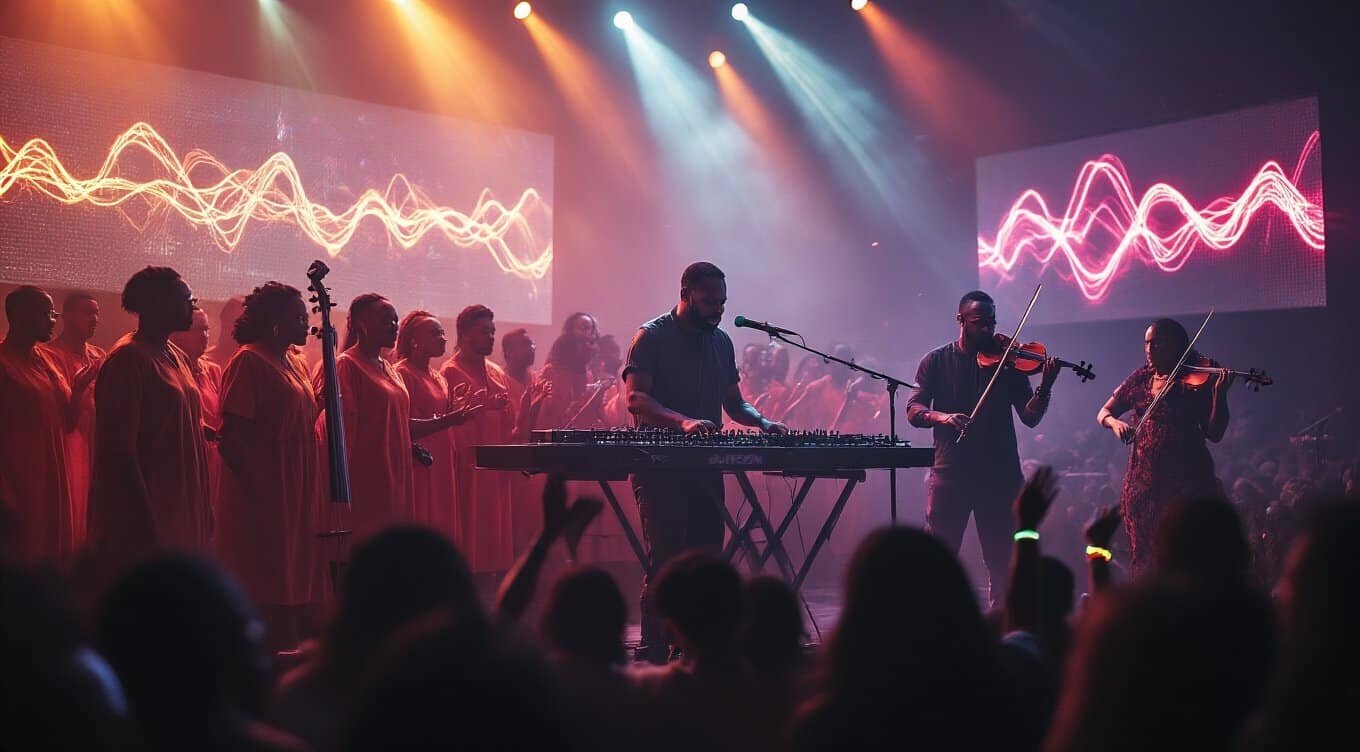
Contemporary worship music is shattering traditional denominational barriers as artists increasingly collaborate across genres that were once considered incompatible with sacred expression. You’re witnessing jazz musicians partner with EDM producers, creating experimental soundscapes that challenge conventional worship formats. These partnerships aren’t merely aesthetic choices—they’re strategic moves to reach diverse audiences who’ve felt disconnected from traditional church music.
The most compelling collaborations emerge when artists embrace musical improvisation as a spiritual practice. You’ll notice how spontaneous solos and unexpected genre shifts create authentic moments that scripted performances can’t replicate.
Gospel artists collaborating with indie rock bands or hip-hop producers working alongside classical composers are producing worship experiences that transcend demographic boundaries.
However, you should critically evaluate whether these innovations enhance genuine worship or simply cater to entertainment preferences. The challenge lies in maintaining theological integrity while expanding musical vocabulary to serve increasingly diverse congregations.
Technology Trends Shaping Future Worship Video Production
Three revolutionary technologies are fundamentally reshaping how worship videos reach and engage audiences beyond traditional sanctuary walls. You’re witnessing immersive mixed reality transform viewer participation from passive observation to active spiritual engagement.
Churches now overlay digital prayer spaces onto physical environments, creating hybrid experiences that blur denominational boundaries.
Digital sanctuaries merge physical and virtual worship spaces, dissolving traditional barriers between congregations and creating unified spiritual experiences across denominations.
Holographic stage design represents the next evolution in visual worship ministry. You’ll see artists project three-dimensional spiritual imagery that responds to musical dynamics, creating unprecedented atmospheric depth. This technology eliminates geographic limitations, allowing congregations worldwide to share identical visual experiences.
AI-driven production workflows are streamlining content creation while reducing costs. You can now generate customized worship environments, auto-edit multi-camera feeds, and personalize viewer experiences based on engagement patterns.
However, critics question whether technological sophistication enhances authentic worship or creates spiritual entertainment that distances viewers from genuine divine connection.
Global Impact of Cross-Cultural Worship Performances
When worship videos transcend cultural boundaries, they’re dismantling centuries-old theological barriers while simultaneously creating new forms of spiritual colonialism. You’re witnessing unprecedented cultural exchange as Korean hymns blend with African rhythms, Brazilian percussion merges with Nordic minimalism, and Indigenous chants incorporate electronic production. However, you must examine whether these collaborations represent authentic global perspectives or Western-dominated interpretations of “exotic” worship styles.
Major streaming platforms now amplify voices from every continent, yet you’ll notice algorithmic preferences still favor English-language content and Western musical structures. Cross-cultural worship videos generate millions of views, but the economic benefits rarely reach originating communities. You’re seeing both democratization and exploitation occurring simultaneously.
The challenge lies in distinguishing between genuine intercultural dialogue and performative diversity. When Hillsong Australia incorporates African polyrhythms or Bethel Church adopts Latin percussion, you must question whether this represents meaningful collaboration or appropriation disguised as worship innovation.
Frequently Asked Questions
How Much Does It Cost to Produce a Professional Worship Video?
Professional worship video production costs range from $5,000-$50,000 depending on your quality requirements and crew size. You’ll face significant video production costs for cameras, lighting, audio equipment, and post-production editing.
However, streaming platform options like YouTube and Vimeo have democratized distribution, making high-end production less essential. Many churches now prioritize authentic content over polished aesthetics, questioning whether expensive production truly enhances worship experiences or simply inflates budgets unnecessarily.
What Equipment Do Churches Need for Live Streaming Worship Services?
You’ll need cameras with HDMI outputs, audio mixers, streaming encoders, and reliable internet bandwidth above 10 Mbps upload speed.
Audio equipment upgrades including wireless microphones and direct instrument feeds are crucial for quality sound. Don’t overlook video equipment maintenance schedules—failed hardware during services damages your congregation’s experience.
Most churches underestimate lighting requirements and backup power solutions, creating inconsistent streaming quality that reflects poorly on production values.
How Can Small Churches Compete With Megachurches in Video Production Quality?
You can’t match megachurch budgets, but you’ll outperform them through creative video editing techniques that emphasize authenticity over polish. Focus on engaging stage presence strategies that showcase genuine community connections rather than flashy production values.
Your intimate setting becomes an advantage when you leverage close-up shots, personal testimonies, and real congregational responses. Viewers often prefer authentic worship experiences over sterile, over-produced content that lacks soul and genuine spiritual connection.
What Are the Copyright Laws for Filming Worship Songs Performances?
You’ll face complex copyright restrictions when filming worship performances, as most contemporary songs require licensing from ASCAP, BMI, or CCLI. Fair use guidelines won’t protect live streaming or recording without proper permissions.
Your copyright compliance strategies must include securing synchronization rights, performance licenses, and mechanical licenses. Churches often underestimate these legal requirements, risking costly infringement claims that can devastate budgets.
How Do Worship Leaders Handle Technical Failures During Live Recordings?
You’ll need contingency protocols when technical failures strike during live recordings. Smart worship leaders position backup microphones strategically and ensure proper microphone placement redundancy across the stage.
You should have secondary stage lighting techniques ready, including portable LED units for emergency illumination. However, many leaders still panic instead of smoothly transitioning to backup systems, revealing inadequate preparation and rehearsal of failure scenarios that could’ve been prevented.
Conclusion
You’re witnessing worship music’s digital evolution accelerate beyond traditional boundaries. These trending performances aren’t just entertainment—they’re reshaping how congregations connect globally. However, you’ll notice production quality often overshadows authentic worship moments, raising questions about substance versus spectacle. While cross-cultural collaborations expand reach, they risk diluting denominational distinctiveness. You’re seeing unprecedented engagement metrics, but sustainable monetization models remain unclear. The technology’s impressive, yet you must consider whether enhanced virtual experiences truly replace genuine communal worship or merely simulate it.








No Comments