


01 Sep What Is Easter Tuesday? Meaning and Christian Traditions
Easter Tuesday is the third day within the Easter Octave, a sacred eight-day period that extends your celebration of Christ’s resurrection. You’ll find it deeply rooted in medieval Christian traditions, featuring special liturgical services and readings focused on Christ’s post-resurrection appearances. While some regions observe it as a public holiday, many communities maintain centuries-old customs like Easter games, traditional dances, and family gatherings. The day’s rich theological and cultural significance holds many cherished traditions worth discovering.
Table of Contents
Key Takeaways
- Easter Tuesday is the third day of the Easter Octave, following Easter Sunday, extending the celebration of Christ’s resurrection.
- It’s marked by special liturgical services, prayers, and Gospel readings focusing on Christ’s post-resurrection appearances.
- Many communities observe traditional customs like egg rolling, family picnics, and special meals during Easter Tuesday celebrations.
- In some regions, like Tasmania, Easter Tuesday is recognized as a public holiday with organized community events.
- The day symbolizes continued Easter joy and serves as a bridge between Holy Week celebrations and regular church calendar time.
Historical Origins of Easter Tuesday
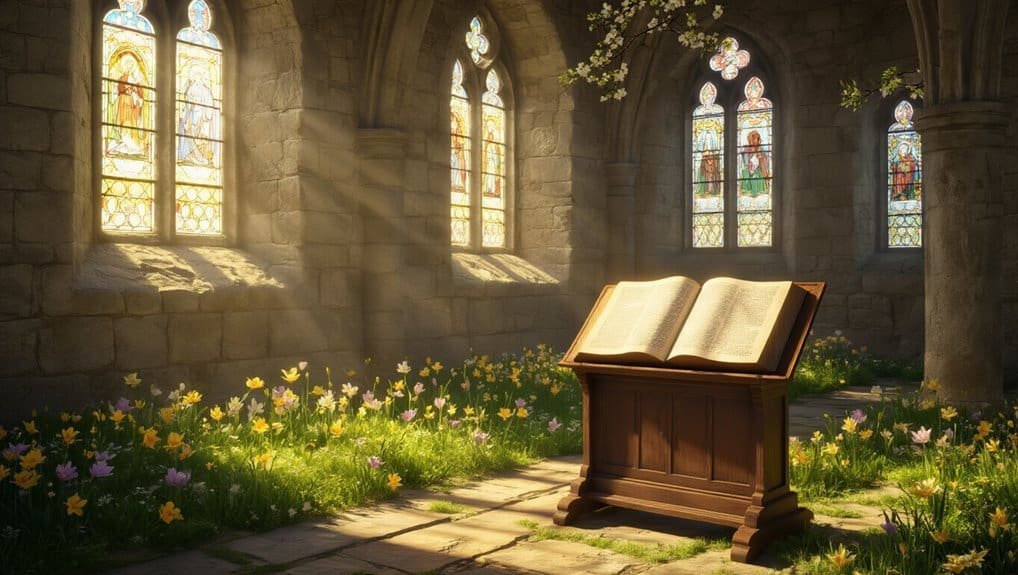
While Easter Sunday marks Christianity’s most important celebration, Easter Tuesday emerged as part of the extended Easter festivities during the medieval period.
You’ll find that Easter Tuesday’s historical significance stems from the early Church’s practice of extending sacred celebrations beyond a single day, allowing newly baptized Christians additional time to deepen their understanding of the faith.
In medieval Europe’s early celebrations, Easter Tuesday formed part of the Easter Octave, an eight-day observance that emphasized the resurrection’s cultural impact.
You’ll notice that the religious evolution of this day varied across regions, with some communities holding special masses, while others marked it with communal feasts and processions.
Modern interpretations of Easter Tuesday have shifted considerably, though you’ll still find its observance in several Christian denominations, particularly in Eastern Orthodox traditions.
While its prominence has diminished in many Western churches, Easter Tuesday retains cultural significance in various European countries.
Religious Significance in Christian Faith
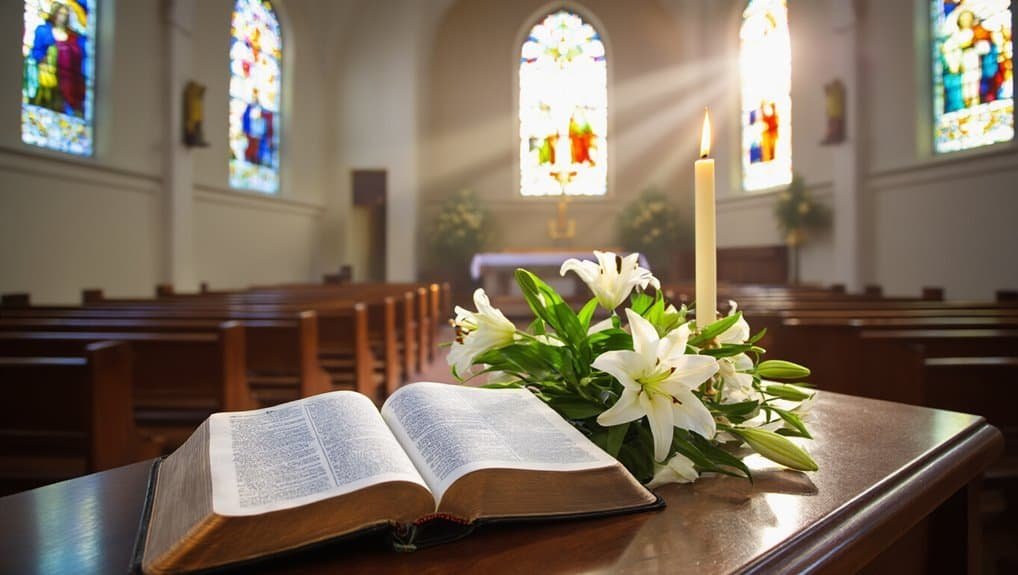
Although Easter Tuesday holds less theological weight than Easter Sunday, it serves an important role in extending the celebration of Christ’s resurrection and reinforcing core Christian teachings. During this day, you’ll find continued reflection on the Resurrection themes that define the Easter season, helping to deepen your understanding of this foundational Christian event.
In many Christian traditions, you’ll observe that Easter Tuesday maintains the joyous spirit of Easter while incorporating Easter symbols that represent new life and spiritual renewal.
It’s part of the Easter Octave, an eight-day period where each day is celebrated as a continuation of Easter Sunday. You’ll notice that the liturgical readings and prayers during this time emphasize Christ’s post-resurrection appearances and the transformative power of His victory over death.
This extended period of celebration helps you integrate these profound spiritual truths into your daily faith practice.
Cultural Celebrations Around the World
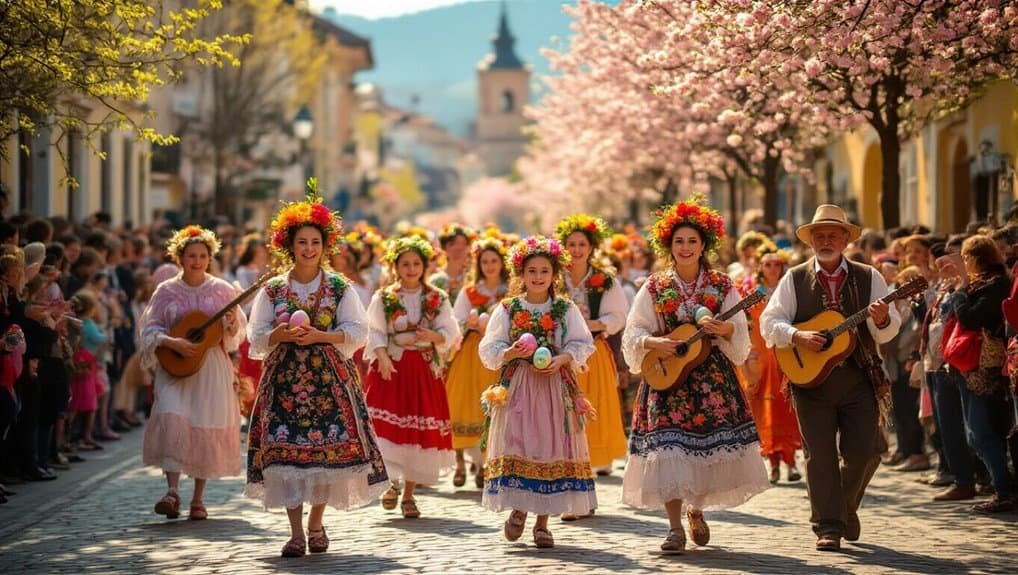
Different regions across the globe celebrate Easter Tuesday with unique cultural traditions that blend religious observances with local customs.
In many European countries, you’ll find communities organizing Easter games like egg rolling competitions and traditional dances. Polish families often gather for “Śmigus-dyngus,” where they playfully sprinkle water on each other to commemorate the baptism of Poland’s first ruler.
In Australia, you’ll discover Easter Tuesday remains a public holiday in Tasmania, where families continue their Easter festivities with picnics and outdoor activities.
Throughout parts of Eastern Europe, you’ll encounter special festive foods prepared specifically for Easter Tuesday, including leftover święconka (blessed Easter foods) shared among family members.
In some German regions, you’ll observe the tradition of “Emmausgang,” where people take contemplative walks to commemorate the disciples’ journey to Emmaus, often concluding with community meals and fellowship gatherings.
Traditional Customs and Practices
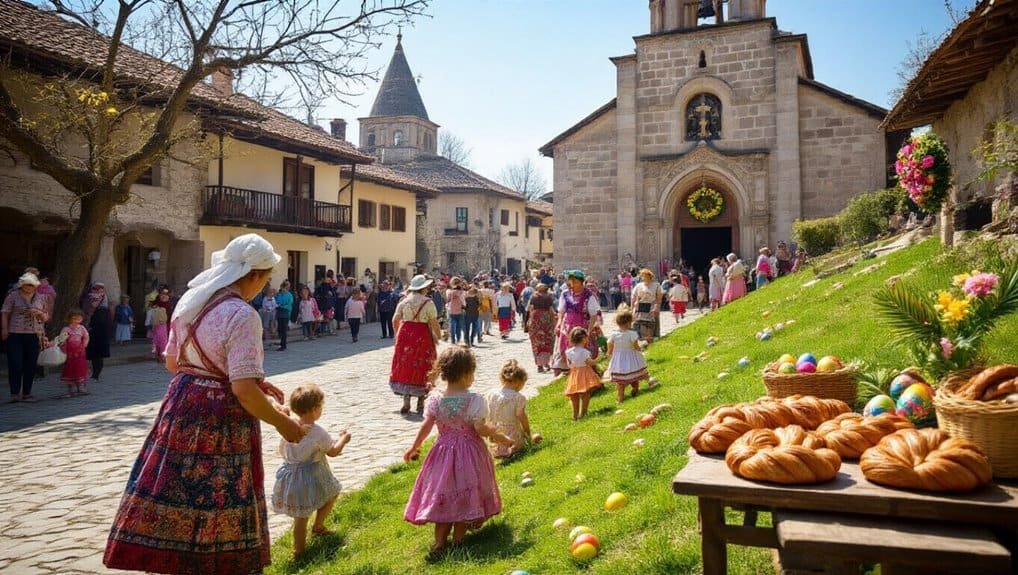
Traditional customs associated with Easter Tuesday revolve around three core practices that emerged during the medieval period.
You’ll find that many communities continued their Easter food celebrations, with families sharing leftover feast items and distributing blessed bread to the poor. The practice of visiting relatives and godparents remained central to the day’s observances.
In various European regions, you’ll discover Easter games played specifically on this day, including egg rolling contests and traditional ball games.
Medieval records show that communities organized sporting events and friendly competitions to maintain the festive spirit. In some areas, you’ll notice that Easter Tuesday marked the final day of holiday revelry before returning to regular work routines.
Churches often held special services to conclude the Easter celebrations, though these weren’t as elaborate as the main Easter Sunday liturgies.
You might still find some parishes maintaining these Tuesday services today.
Modern Observances and Public Holidays
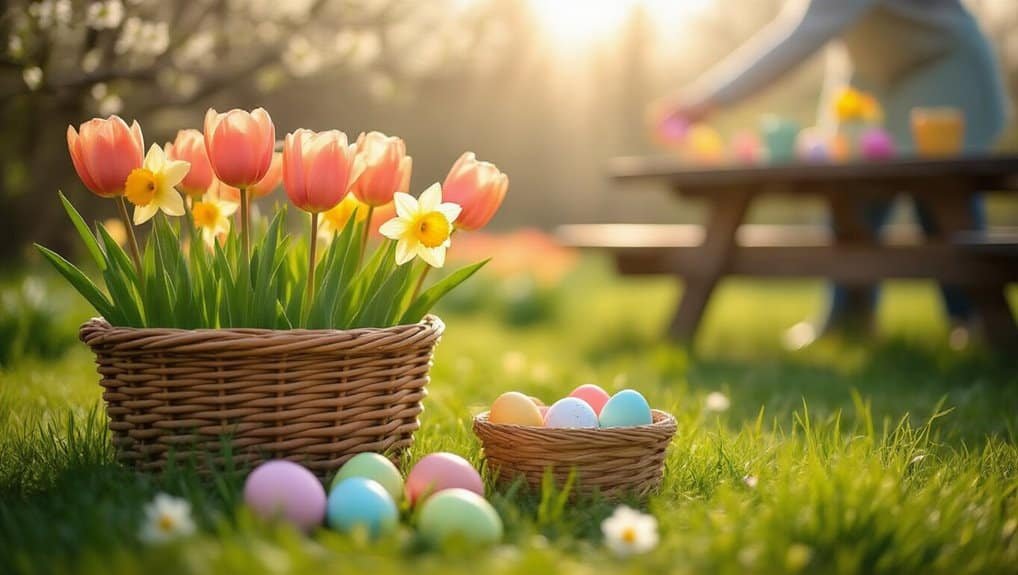
In many countries today, Easter Tuesday remains a public holiday, particularly across Eastern Europe and parts of the Caribbean. You’ll find that nations like Poland, Hungary, and several Caribbean islands maintain this tradition, though it’s less commonly observed in Western Europe and North America.
Modern Easter traditions on this day have evolved significantly from their religious origins. You’ll notice that public gatherings often focus more on community celebrations rather than formal church services.
In countries where it’s a public holiday, you’ll typically see families enjoying extended time together, with some communities organizing local festivals or sporting events.
If you’re visiting these regions during Easter Tuesday, you’ll discover that many businesses and government offices remain closed, though tourist attractions and restaurants usually stay open.
While the religious significance may have diminished in some places, the day continues to serve as an important cultural marker, bridging traditional Easter observances with contemporary social practices.
Easter Tuesday in Orthodox Christianity
In Orthodox Christianity, you’ll find Easter Tuesday filled with continued paschal celebrations through special liturgical services known as the Paschal Hours and Divine Liturgy.
The faithful gather to hear Gospel readings that focus on Christ’s post-resurrection appearances, particularly the account of His encounter with Mary Magdalene and other witnesses.
During these services, you’ll participate in joyous hymns and prayers that emphasize the theological significance of Christ’s victory over death, while priests wear bright vestments symbolizing the radiance of the Resurrection.
Orthodox Easter Tuesday Customs
Orthodox Christians observe Easter Tuesday as part of Bright Week, continuing their joyous celebration of Christ’s resurrection through specific liturgical practices.
During this day, you’ll find faithful Orthodox Christians participating in Easter traditions that include special festal Divine Liturgies and processions around the church. The Royal Doors of the iconostasis remain open, symbolizing Christ’s opening of the gates of Paradise.
Orthodox rituals on Easter Tuesday emphasize the theme of resurrection through specific hymns called Paschal troparia. You’ll hear these joyful songs throughout the services, often accompanied by the traditional greeting “Christ is Risen!” with the response “Indeed He’s Risen!”
Many Orthodox parishes also maintain the practice of reading the Gospel in multiple languages, highlighting the universal nature of Christ’s resurrection message.
Liturgical Services and Prayers
While continuing the joyous celebration of Bright Week, Easter Tuesday’s liturgical services maintain distinctive elements that set them apart from regular Orthodox worship.
You’ll notice that the Royal Doors of the iconostasis remain open, symbolizing Christ’s opening of the gates of Paradise. The liturgical readings focus on the post-resurrection appearances of Jesus, particularly from the Gospel of Luke.
During the services, you’ll participate in special prayer practices unique to Bright Week. The usual beginning prayers are replaced with the triple recitation of “Christ is Risen,” and you won’t hear the customary Trisagion prayers.
Instead, you’ll chant “As many as have been baptized into Christ.” The singing of Paschal troparion and hymns continues, emphasizing the theme of resurrection and renewal throughout the service.
Historical Religious Significance
Since the earliest days of Christianity, Easter Tuesday has held profound theological significance as part of Bright Week, the sacred period following Pascha. During this time, you’ll find the continuation of Easter symbolism and Resurrection themes that emphasize Christ’s victory over death.
In Orthodox tradition, you’ll observe that Easter Tuesday commemorates the disciples’ encounters with the risen Christ, particularly focusing on His appearances to Mary Magdalene and the other women. These events reinforce the reality of the physical resurrection and Christ’s transformed glory.
The day’s theological importance is deeply rooted in the understanding that the Resurrection isn’t just a singular event but an ongoing divine reality that transforms the faithful. You’ll notice this reflected in the Byzantine liturgical texts, which proclaim Christ’s triumph over death and His gift of eternal life.
Special Liturgical Services and Prayers
On Easter Tuesday, you’ll find special liturgical services centered around traditional Mass prayers that continue celebrating Christ’s resurrection.
The Divine Office devotions for this day include specific psalms, antiphons, and readings that reflect the joy of the Easter season.
These prayers maintain the festive character of Easter week while emphasizing themes of baptismal renewal and the early Church’s witness to the risen Lord.
Traditional Mass Prayers
Traditional Mass prayers for Easter Tuesday focus heavily on baptismal themes and the joy of resurrection, following ancient Christian liturgical traditions.
You’ll find the Mass rituals include specific Collects that emphasize new life in Christ and the transformative power of baptismal grace. The traditional prayers often reference Scripture passages about Christ’s post-resurrection appearances, particularly from the Gospel of Luke.
During the Mass, you’ll encounter the “Victimae Paschali Laudes” sequence, which continues from Easter Sunday, celebrating Christ’s victory over death.
The Proper prayers highlight themes of spiritual renewal and divine mercy. The day’s antiphons and responses draw from early Christian texts that emphasize the faithful’s participation in Christ’s resurrection through their baptismal covenant and the Church’s sacramental life.
Divine Office Devotions
The Divine Office for Easter Tuesday incorporates special liturgical elements that extend the paschal celebration through structured prayer times.
You’ll find distinctive readings and antiphons that continue to reflect on Christ’s resurrection and its significance for the faithful.
During the daily prayers of the Divine Office, you’ll encounter psalms specifically chosen to emphasize Easter themes of victory and new life.
The Office of Readings features excerpts from early Church Fathers discussing the resurrection, while Morning Prayer (Lauds) and Evening Prayer (Vespers) include canticles that echo Easter joy.
Throughout the day’s prayer periods, you’ll notice how the liturgical texts weave together Scripture and tradition to deepen your contemplation of the resurrection mystery within the Easter octave.
Regional Variations and Local Traditions
Celebrations of Easter Tuesday vary significantly across Christian regions, with some communities continuing their post-Easter festivities while others consider it a regular workday.
In parts of Eastern Europe, you’ll find families participating in egg rolling competitions and spring festivals that combine Christian traditions with local customs. Some communities organize community picnics featuring traditional foods and outdoor games.
In various Mediterranean regions, you’ll notice elaborate flower decorations adorning churches and town squares, while local music performances create a festive atmosphere.
Northern European countries often emphasize family feasts, where traditional Easter foods are shared over extended gatherings.
In some Anglican and Catholic communities, particularly in the United Kingdom and Ireland, Easter Tuesday marks the final day of extended Easter celebrations. You’ll find these customs are especially prevalent in rural areas, where agricultural communities have historically incorporated religious observances with seasonal spring celebrations.
Easter Tuesday’s Role in Easter Week
You’ll find Easter Tuesday maintaining its place in the Christian calendar as part of Easter Week, though its observance varies among different denominations and traditions.
In Eastern Orthodox churches, you’ll encounter special liturgical services that continue the celebration of Christ’s resurrection, while Roman Catholic and Protestant churches might hold simpler commemorations or none at all.
Your local customs may include traditional Easter Tuesday activities like visiting family members or participating in regional festivities that extend the Easter season’s spirit of renewal.
Church Service Traditions
While many Christians focus primarily on Easter Sunday, Easter Tuesday holds significance as part of Easter Week’s liturgical observances in several denominations.
You’ll find that Eastern Orthodox and some Anglican churches maintain specific service traditions on this day, incorporating Easter hymns that celebrate Christ’s resurrection and its ongoing meaning in Christian life.
Service participation on Easter Tuesday often includes readings from the Acts of the Apostles, particularly passages that recount the early church’s witness to the resurrection.
In some traditions, you’ll experience special liturgical elements that weren’t included in the main Easter Sunday service. These may involve specific prayers of thanksgiving, the singing of traditional Easter hymns in different arrangements, and readings that explore the post-resurrection appearances of Christ to His disciples.
Holiday Significance Today
Modern Christian practice has largely shifted focus away from Easter Tuesday observances, though the day maintains cultural and religious relevance in specific regions and denominations.
You’ll find Easter Tuesday significance most pronounced in Orthodox and Eastern Catholic traditions, where it’s part of Bright Week celebrations.
In some European countries, particularly Germany and Poland, you’ll encounter Easter Tuesday traditions that blend religious observance with folk customs.
While not a public holiday in most nations today, the day holds meaning as part of the broader Easter Octave, an eight-day period of continued Easter celebration.
In contemporary practice, you might notice Easter Tuesday serving as a bridge between the solemnity of Holy Week and the return to ordinary time, helping faithful Christians transition from the intensity of Easter celebrations to daily spiritual life.
Post-Easter Week Customs
Throughout Easter Week, faithful Christians engage in various post-Easter customs that extend beyond Easter Sunday, with Easter Tuesday playing a distinct role in this sacred period.
You’ll find that many communities continue their spring festivities on Easter Tuesday, particularly in Eastern European countries where the tradition of Easter egg games and celebrations persists.
In some regions, you’ll observe Christians participating in special prayer services and gatherings that focus on reflecting upon Christ’s resurrection appearances.
These customs often include sharing blessed foods from Easter Sunday and continuing family gatherings.
You might also encounter traditional Easter egg rolling contests, which symbolize the rolling away of the stone from Christ’s tomb.
Some parishes maintain the practice of visiting graves of loved ones and continuing the Easter octave celebrations.
Family Gatherings and Community Events
Families often extend their Easter celebrations through Easter Tuesday with intimate gatherings and festive community events. You’ll find that many households maintain family traditions of hosting special luncheons or dinners, where relatives who couldn’t attend Easter Sunday celebrations can join in the continued observance.
These gatherings help preserve the spirit of resurrection joy while strengthening family bonds across generations.
In various Christian communities, you’ll encounter organized events that foster community bonding through shared meals, games, and religious activities. Many parishes host post-Easter picnics or outdoor celebrations that welcome both parishioners and visitors.
Some regions maintain centuries-old customs of community dances, egg-rolling competitions, or special prayer services. These communal celebrations serve as extensions of Easter’s message of renewal and unity, allowing you to participate in meaningful interactions that bridge religious observance with social connection.
Frequently Asked Questions
Why Is Easter Tuesday Less Celebrated Than Easter Sunday and Monday?
You’ll find Easter Tuesday receives less attention because most Easter traditions and cultural significance center around Sunday’s celebration of Christ’s resurrection and Monday’s continuation of festivities.
While Tuesday was historically part of Easter Week in some Christian denominations, modern secular calendars typically limit holiday observances to the long weekend.
Work and school schedules have also influenced this shift, making Tuesday celebrations less practical for most people.
What Special Foods Are Traditionally Eaten Specifically on Easter Tuesday?
You’ll find that traditional Easter dishes specifically for Easter Tuesday are relatively scarce, as most festive treats are consumed during the main celebrations of Easter Sunday and Monday.
While some Eastern Orthodox Christians might continue enjoying leftover Easter foods like blessed eggs or sweet breads on Tuesday, there aren’t distinct culinary traditions tied exclusively to this day in most Christian denominations.
Do Businesses and Schools Typically Remain Open on Easter Tuesday?
You’ll find that most businesses and schools operate normally on Easter Tuesday in the majority of countries today.
While Easter Tuesday traditions were historically observed as part of Easter Week celebrations, particularly in Eastern Orthodox and Catholic traditions, modern Easter Tuesday observances are limited.
A few regions, like Tasmania and some European countries, still maintain Easter Tuesday as a public holiday, but this practice isn’t widespread globally.
Is Easter Tuesday Always Celebrated on the Same Date Each Year?
No, you won’t find Easter Tuesday falling on the same date each year because it’s directly tied to Easter Sunday‘s date variations.
Easter Sunday’s date shifts annually based on the lunar calendar and spring equinox, typically occurring between March 22 and April 25.
Since Easter Tuesday always falls two days after Easter Sunday, it inherits this calendar significance and movable nature, following the same pattern of yearly date changes.
Are There Any Unique Superstitions or Folklore Associated With Easter Tuesday?
Unlike many Easter traditions, Easter Tuesday has relatively few documented superstitions or folklore associated with it specifically.
You’ll find that most Spring rituals during this time focus on Easter Sunday and Easter Monday instead.
In some Eastern European traditions, you might encounter beliefs about water collected on Easter Tuesday having healing properties, but these customs aren’t widely practiced and vary significantly by region.
Conclusion
You’ll find that Easter Tuesday, while less prominent than other Easter celebrations, remains significant in various Christian traditions as the third day of Easter Week. Whether you’re participating in special liturgical services or engaging in regional customs, you’re continuing centuries-old practices that honor the post-resurrection appearances of Christ. Though many modern observances have become more secular, you’re still part of an enduring theological and cultural legacy.


No Comments