


01 Jul Master Your Voice: The Ultimate Guide to Learning Singing Online for Beginners
A Simple Start to Learning Singing Online for Beginners
Learning singing online for beginners is easier and more fun than ever. You don’t need to go to a big music school or hire a famous teacher to start singing. With the help of the internet, you can learn to sing from your home using your computer, phone, or tablet. In this guide, we’ll explore how online singing works, what tools you need, and how you can improve your voice one step at a time.
Table of Contents
This article will help you understand the best ways to practice singing online. You’ll learn about vocal warm-ups, choosing the right course, and setting up a home studio. We’ll also share tips to keep you motivated and help you face common singing problems. Whether you dream of singing in church, in a band, or just for fun, this beginner’s guide will give you everything you need to get started.
Benefits of Learning Singing Online for Beginners
1. Learn Anytime, Anywhere
Online lessons allow you to practice at your convenience. Whether it’s morning or evening, you choose your schedule.
2. Save Money
Online classes are often cheaper than private lessons. Some are even free!
3. Go at Your Own Speed
You can pause, rewind, and replay videos. This helps you learn at your own pace.
4. More Choices
There are many singing styles to choose from—pop, gospel, rock, and more. You can pick what you like best.
5. Practice in Private
Shy to sing in front of others? Online learning lets you practice alone at home until you feel ready.


Essential Vocal Techniques for Beginners
1. Warm Up Your Voice
Just like stretching before a run, you need to warm up your voice. Humming, lip trills, and singing scales can help.
“Sing to the LORD a new song; sing to the LORD, all the earth.” – Psalm 96:1 (NIV)
2. Breathing the Right Way
Good singing starts with good breathing. Try belly breathing by filling your lungs slowly and deeply.
3. Good Posture
Stand or sit tall with your shoulders back. This opens your chest and helps your voice sound strong.
4. Practice Simple Songs First
Begin with songs that are slow and easy. This helps you focus on pitch and tone.
5. Repeat and Listen
Record yourself and listen to how you sound. This helps you spot areas to improve.
Choosing the Right Online Singing Course
1. Check the Teacher’s Style
Some teachers are fun and casual, others are strict. Pick one that fits your personality.
2. Watch a Free Trial
Many courses offer a short free video. Watch it to see if you like how the teacher explains things.
3. Look for Beginner-Friendly Content
Make sure the course starts from the basics. It should teach you how to warm up, breathe, and sing easy songs.
4. Read Reviews
See what other students say. This can help you decide if the course is helpful and easy to follow.
5. Popular Platforms
YouTube, Skillshare, Udemy, and Singeo are great for beginners.

Setting Up Your Home Studio for Singing Practice
1. Find a Quiet Spot
Pick a space in your home where it’s quiet and peaceful. This helps you hear yourself clearly.
2. Use Simple Tools
You don’t need fancy gear. Start with a good pair of headphones, a phone or laptop, and a mic if you can.
3. Mirror for Posture Check
Use a mirror to check your posture and mouth shape while singing.
4. Keep Water Nearby
Drink water to keep your throat moist and your voice clear.
5. Decorate Your Space
Make your singing area fun and cozy. Add posters, fairy lights, or anything that inspires you.
Tips for Effective Online Singing Practice
1. Make a Schedule
Practice for 15–30 minutes every day. Small steps every day lead to big results.
2. Use a Timer
Set a timer so you don’t overdo it. Singing too much can tire your voice.
3. Sing Along with Videos
Singing along with online videos helps improve your pitch and timing.
4. Record Yourself Weekly
Listening to yourself helps you hear your progress and areas to work on.
5. Take Breaks
Rest is important. Don’t sing too long in one go.


The Role of Technology in Online Singing Lessons
1. Helpful Apps
Use free apps like Smule, Yousician, or SingTrue to train your ear and voice.
2. Use Auto-Tune for Practice
Some tools show if your pitch is off. This helps you correct your singing.
3. Video Chat with Teachers
Some online lessons let you meet teachers on Zoom or Skype for one-on-one help.
4. Use Backing Tracks
Singing with music tracks can help with timing and rhythm.
5. Track Your Progress
Apps let you keep a record of your practice and show you how much you’ve improved.
Common Challenges Faced by Beginner Singers
1. Voice Cracking
This is normal. Your voice is learning. Warm-ups and hydration help.
2. Off-Pitch Singing
Hearing yourself better and using pitch apps can fix this.
3. Running Out of Breath
Practice breathing exercises daily to increase lung power.
4. Getting Nervous
Start singing in front of friends or family to build confidence.
5. Giving Up Too Soon
Singing takes time. Keep going and celebrate small wins.

Staying Motivated: Building a Consistent Practice Routine
1. Set Small Goals
Try learning one new song or vocal skill each week.
2. Join Online Groups
Sing with others on apps or in Facebook groups to stay inspired.
3. Celebrate Progress
Record videos and see how far you’ve come after a few weeks.
4. Keep a Singing Journal
Write down what you practiced, how it felt, and what to try next.
5. Pray or Meditate Before Singing
This helps calm your mind and keep you focused on joy and praise.
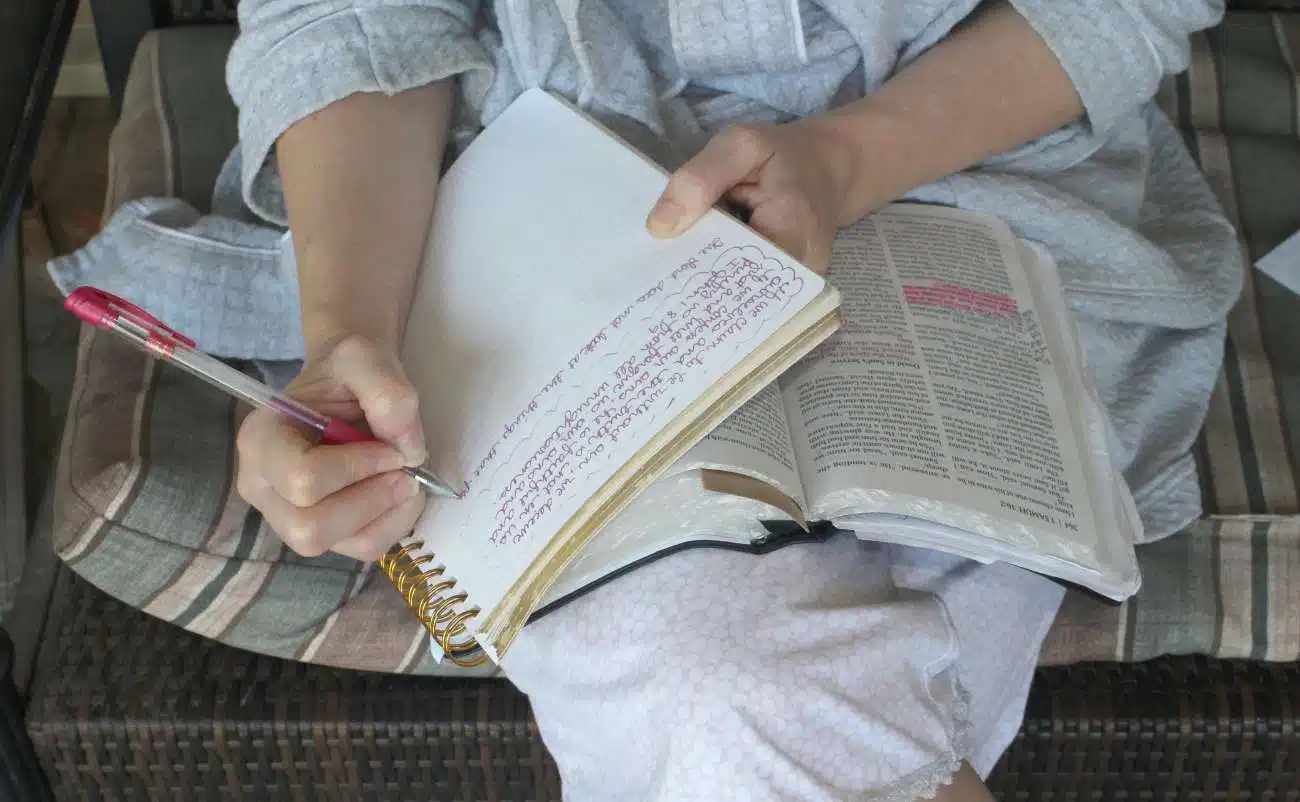
In Conclusion, Your Journey to Mastering Your Voice. Learning singing online for beginners is a fun, affordable, and easy way to explore your voice. With online lessons, you can practice anytime and anywhere.
You’ll learn basic techniques such as warming up, breathing properly, and singing in tune. You can choose the course that’s best for you and set up a simple space at home. Don’t worry about mistakes—every great singer was once a beginner, too.
Stay patient and keep practicing every day. Over time, your voice will grow stronger and clearer. Whether you want to sing in church, school, or just for yourself, your voice is a gift worth developing. Let this be the start of your singing journey—one note at a time.
FAQs About Learning Singing Online for Beginners
Can I really learn how to sing online as a beginner?
Yes! Many people start learning to sing online. With helpful videos and easy tips, you can improve from home.
What’s the best way to start singing?
Begin with warm-ups and breathing exercises. Then sing along with slow, simple songs that you enjoy.
How long should I practice singing every day?
Start with 15–30 minutes daily. Be sure to rest your voice and drink water.
Do I need a teacher or can I learn by myself?
You can learn on your own using videos and apps. But having a teacher can help you learn faster.
What equipment do I need to start singing online?
You only need a phone, computer, or tablet. Headphones and a simple mic are helpful too.
Is it okay if I don’t have a good voice at first?
Yes! Most singers don’t start with a perfect voice. Practice and patience help you grow.
How can I stay motivated to practice every day?
Set small goals, sing songs you love, and track your progress to stay excited and on track.








No Comments