

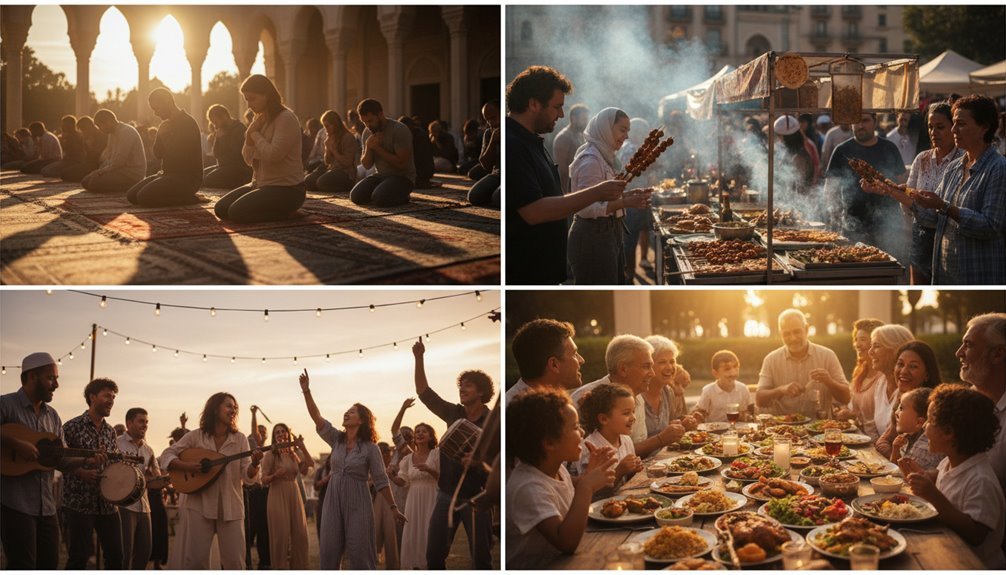
12 Mar Five Tips: Friday Traditions Around the World
From solemn processions and passion plays in Europe to feasting and family gatherings in Latin America, Good Friday traditions around the world offer a glimpse into the cultural diversity and spiritual reverence that characterize this sacred Christian holiday. You’ll also discover unique rituals in the Philippines, as well as contemplative fasting and penance observed in Orthodox countries. Explore these captivating traditions to deepen your understanding of how this day is celebrated globally.
Key Takeaways
- Solemn processions, Passion Plays, and mournful choir performances are prevalent Good Friday traditions in European countries.
- Families in Latin America gather for elaborate feasts with regional dishes, Easter eggs, music, and dancing on Good Friday.
- In the Philippines, devotees reenact the Passion of Christ through self-flagellation, voluntary crucifixions, and sharing meatless meals.
- Orthodox countries observe Good Friday with contemplative fasting, penance, and worship-focused services emphasizing somber chants and hymns.
- Common themes across traditions include reverence, reflection, suffering of Christ, and strengthening of spousal and communal ties.
Solemn Processions and Passion Plays in Europe
In many parts of Europe, solemnity and reverence mark the observance of Good Friday. You’ll witness solemn processions of penitents and clergy, some donning robes and hoods, silently parading through the streets.
In Spain, elaborate Passion Plays dramatize the final hours of Jesus’ life. Actors portray biblical figures, re-enacting the Crucifixion with reverence. The somber atmosphere evokes a shared sense of reflection.
Cathedrals fill with the mournful strains of choirs. Worshippers kneel, eyes downcast, lost in private prayer. As night falls, candlelight vigils and torchlight processions continue the solemnity.
For many, this day marks a profound religious experience, a time to contemplate suffering and the mystery of sacrifice.
Feasting and Family Gatherings in Latin America
Across Latin America, families gather joyfully on Good Friday, filling homes with the aromas of traditional feasts. Dishes like tamales, empanadas, and mole simmers on stoves as loved ones reconnect. In Colombia, the iconic sancocho stew simmers, while Mexicans indulge in fish tacos and spicy enchiladas. Argentinians savor asados, or grilled meats, shared over lively conversations. Vibrant celebrations often include music, dancing, and the exchanging of Easter eggs. Though customs vary, the focus remains on nourishing the body and spirit in the company of family. These lively gatherings embody the close-knit nature of Latin American culture, where faith, food, and fellowship intertwine on this sacred day.
Unique Good Friday Rituals in the Philippines
What unique Good Friday rituals do Filipinos observe? You’ll find they’re deeply rooted in Catholic tradition. Devotees reenact the Passion of Christ through penitential practices. Some flagellate themselves or carry heavy wooden crosses through the streets. Others have themselves voluntarily crucified, mimicking Jesus’s suffering. These dramatic displays of faith are a captivating sight, drawing thousands of spectators. But the rituals extend beyond public performances. Families gather to pray the Stations of the Cross and share a meatless feast. They decorate their homes with palm fronds and black cloths, creating a solemn atmosphere. While intense, these rituals reflect the Philippines’ strong Catholic identity and the community’s collective grief and reverence on Good Friday.
Contemplative Fasting and Penance in Orthodox Countries
While Orthodox countries may not share the dramatic public rituals of the Philippines, their observance of Good Friday is equally profound. You’ll find believers engaging in contemplative fasting, abstaining from meat, dairy, and even oil. Some take this a step further, embracing a period of penance through prayer, almsgiving, and rigorous self-examination. Churches will be packed, with worshippers participating in solemn services that emphasize Christ’s suffering and death. Even the music reflects the somber mood, with chants and hymns evoking a sense of profound reverence. Though the practices may seem austere, they’re rooted in a profound spiritual significance, allowing the faithful to participate in the Passion of Christ in a deeply personal way.
Frequently Asked Questions
Why Are Good Friday Traditions so Diverse Worldwide?
Good Friday traditions are so diverse worldwide because the holiday commemorates the crucifixion of Jesus, which holds different meanings and cultural significance across various Christian denominations and regions.
From solemn processions to festive celebrations, these traditions reflect the diversity of religious practices, historical influences, and local customs that shape the observance of this important day in the Christian calendar.
What Is the Significance of Passion Plays in Europe?
Passion plays in Europe depict the suffering and crucifixion of Jesus Christ, and they’re significant because they allow communities to engage with this pivotal Christian story. You’ll find these elaborate theatrical productions held annually, often during Holy Week, as a way to commemorate and reflect on Christ’s Passion. They’re deeply rooted in European religious traditions and provide a powerful, immersive experience for participants and audiences alike.
How Do Latin American Families Celebrate Good Friday?
Across Latin America, Good Friday is a deeply meaningful celebration. You’ll find families gathering for solemn processions, reenacting the Passion of Christ. Many attend mass and prepare traditional dishes like bacalao (salted cod) and hot cross buns. Children may receive toys or treats, while adults exchange gifts. These time-honored rituals honor the sacred significance of Good Friday for Christian communities throughout the region.
What Are the Unique Rituals Observed in the Philippines?
In the Philippines, you’ll find unique Good Friday rituals. Penitents sometimes undergo self-flagellation or crucifixion to reenact Christ’s suffering.
Families gather for Pabasa, a chanting of the Passion of Christ.
You’ll also see elaborate religious processions with men carrying statues of Jesus and the Virgin Mary through the streets.
How Do Orthodox Countries Observe Contemplative Fasting?
In Orthodox countries, contemplative fasting is a serious spiritual practice. You’ll find people abstaining from meat, dairy, and other rich foods, instead opting for simpler, meatless meals. It’s a time for introspection, prayer, and almsgiving. The fast often precedes major religious holidays, with the faithful eagerly anticipating the end of the fast and the celebratory feast that follows.
Conclusion
You’ll find that Friday traditions around the world are as diverse as the cultures that observe them. Whether it’s solemn processions, festive gatherings, or contemplative fasting, these customs reflect the deep spiritual significance of the day. Embrace the unique perspectives and experiences that these global traditions offer, and you’ll gain a richer understanding of the world’s religious and cultural diversity.










No Comments