

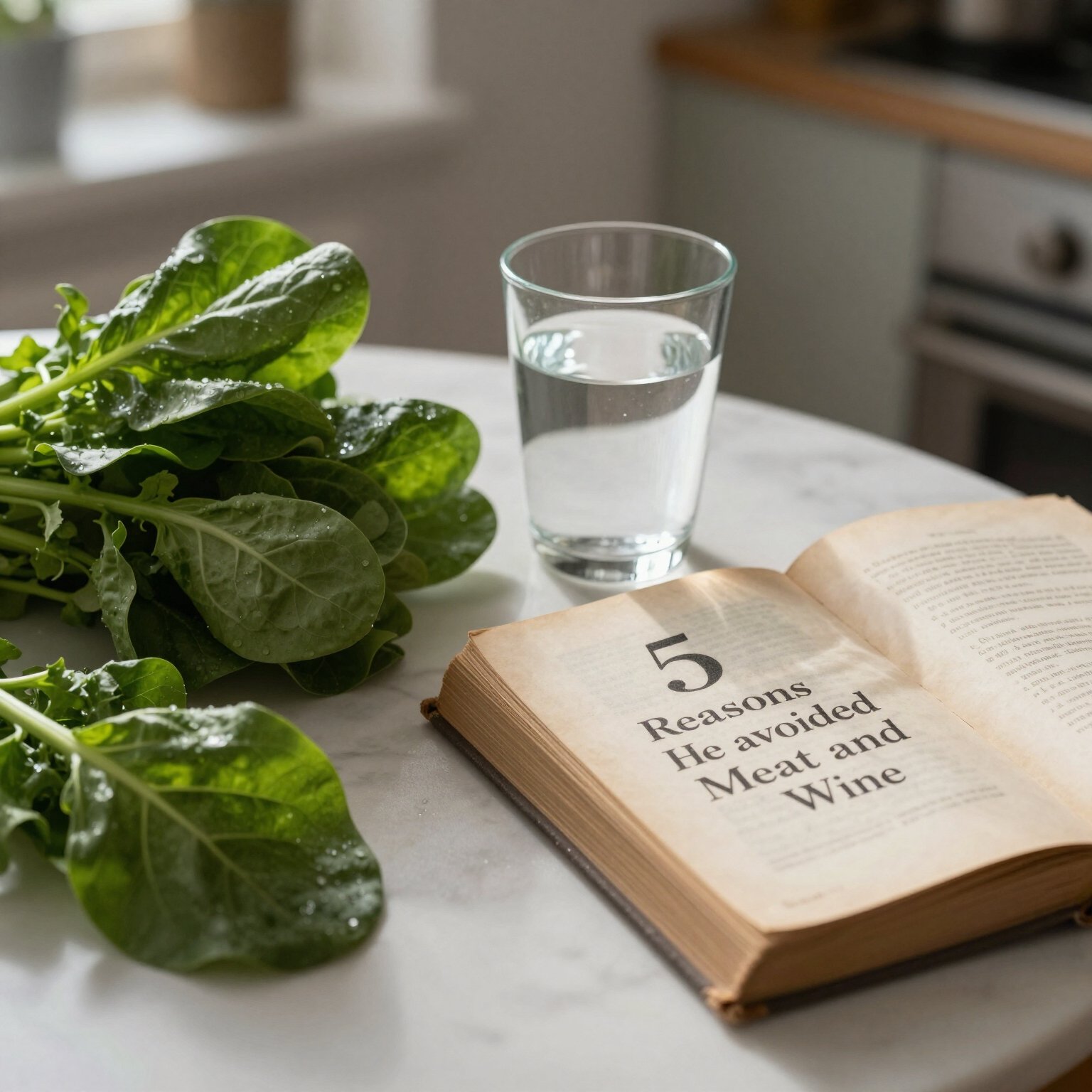
27 Apr 5 Best Reasons He Avoided Meat and Wine
You’re likely to quit meat and wine because they raise heart disease and cancer risks, boost chances of diabetes, and carry pathogens and toxins like Salmonella, heterocyclic amines, and mycotoxins. Processed meat’s nitrates and wine’s sulfites add carcinogenic compounds and trigger allergies, while antibiotics in livestock fuel resistant bacteria. Their production also spews greenhouse gases, wastes water, and harms ecosystems. Keep going and you’ll discover how to get complete plant‑based protein without compromising flavor.
Table of Contents
Key Health Risks That Prompted My Decision to Quit Meat and Wine
Why risk your heart and future when the foods you love could be harming you? You’ve probably heard that red and processed meat boost LDL cholesterol, nudging you toward atherosclerosis, heart attacks, and strokes. The WHO even tags processed meats as a Group 1 carcinogen and red meat as Group 2A, linking them to colorectal, breast, and pancreatic cancers. Add wine to the mix, and the alcohol‑induced oxidative stress can amplify those risks, especially when combined with heme iron from meat. Regular drinking may raise blood pressure and interfere with medications, while the antioxidants you cherish don’t outweigh the potential for hypertension. Together, these habits elevate your chance of type 2 diabetes and metabolic syndrome. By quitting, you cut out saturated fats, cholesterol, and harmful compounds, giving your cardiovascular system a chance to recover and your overall health a clearer path forward.
Meat and Wine Food‑Safety Hazards: Contamination, Pathogens, and Cooking Toxins
When you handle raw meat or uncork a bottle of wine, you’re exposing yourself to a range of food‑safety hazards that can turn a simple meal into a health nightmare. Pathogens like Salmonella, E. coli, and Listeria thrive in undercooked or mishandled meat, while wine can harbor mycotoxins if grapes are mold‑infected.
Even proper cooking isn’t risk‑free; high‑heat grilling or pan‑frying meat generates heterocyclic amines and polycyclic aromatic hydrocarbons, both linked to cancer. Cross‑contamination spreads bacteria from cutting boards to vegetables, and improper storage lets toxins multiply.
You might also encounter hidden residues from slaughter‑house practices, such as antimicrobial agents that survive processing. By eliminating meat and wine, you cut out these exposure routes, reducing the chance of foodborne illness, toxin ingestion, and long‑term carcinogenic risk. This practical safety benefit often outweighs flavor considerations.
Meat and Wine Chemical Additives & Antibiotics: Nitrates, Sulfites, and Resistance
Beyond the pathogens and toxins you’ve already seen, the chemicals added to meat and wine pose another hidden threat. Nitrates and nitrites preserve processed meats, but in your stomach they can become N‑nitroso compounds, known carcinogens linked to colorectal cancer. Sulfites keep wine bright and stable, yet they trigger asthma attacks and allergic reactions in sensitive drinkers. Both additives linger in your bloodstream, contributing to oxidative stress and inflammation.
Antibiotics used in livestock accelerate resistant bacteria, turning harmless gut microbes into hard‑to‑kill superbugs. When you eat meat containing residual antibiotics, you expose your microbiome to sub‑therapeutic doses that select for resistance. The same pressure spreads through the food chain, compromising future infection treatments. Reducing or eliminating meat and wine removes these chemical burdens, protecting your health and preserving antibiotic efficacy for generations.
Environmental Footprint of Meat and Wine Production
If you look at the numbers, meat and wine together account for a massive share of global emissions, water use, and land degradation. Livestock generates about 15 % of greenhouse‑gas emissions, largely methane from cattle, while wine production adds carbon from vineyard machinery and fermentation. One pound of beef needs over 1,800 gallons of water; a case of wine can consume thousands of gallons for irrigation, especially in arid regions. Deforestation for pasture and feed crops strips habitats, accelerates climate change, and reduces biodiversity. Viticulture often relies on pesticides and fertilizers that leach into waterways, harming aquatic life. Both sectors demand extensive land, crowding out food crops and native ecosystems. By cutting meat and wine, you shrink your personal carbon footprint, conserve freshwater, and lessen pressure on forests and soils, contributing directly to a healthier planet.
How to Get Complete Protein on a Plant‑Based Diet Without Meat or Wine
Ever wondered how you can meet all your protein needs without a single steak or glass of wine? Start by mixing complementary plant proteins: pair legumes with whole grains, nuts, or seeds so the amino acids balance out. A bowl of quinoa and black beans gives you a complete profile, while lentil soup with barley does the same. Include soy products—tofu, tempeh, edamame—because they’re naturally complete. Nuts and seeds add essential amino acids and healthy fats; sprinkle hemp or chia on smoothies for a protein boost. Dairy‑free milks fortified with B12 and calcium round out nutrition. Aim for 20‑30 g of protein per meal; three meals plus a snack will hit the 50‑60 g daily target. Track intake with a nutrition app if you’re new to this, and you’ll discover that plant‑based meals keep you strong, satiated, and free from meat or wine.
Frequently Asked Questions
Can I Still Enjoy Occasional Steak Without Health Risks?
You can enjoy an occasional steak, but keep portions small, choose lean cuts, and pair it with plenty of vegetables. Aim for no more than 3‑4 ounces and limit frequency to once a week or less. Cook it at moderate heat to avoid charred bits, and balance the meal with fiber‑rich sides. This approach reduces saturated‑fat and carcinogen exposure while still letting you savor the flavor.
Do Red Wines Contain More Antioxidants Than White Wines?
Yes, red wines generally contain more antioxidants than white wines because they retain the grape skins during fermentation, which are rich in polyphenols like resveratrol and anthocyanins.
White wines skip the skin contact, so they’ve lower polyphenol levels.
If you’re after antioxidant benefits, choose a full‑bodied red, but remember moderation still matters for overall health.
How Does Plant‑Based Protein Affect Athletic Performance?
You’ll find plant‑based protein supports athletic performance just as well as animal protein when you meet your total intake and timing needs. It supplies essential amino acids, especially leucine, which triggers muscle protein synthesis. Combined with carbs, it replenishes glycogen and aids recovery. Because it’s low in saturated fat and rich in antioxidants and fiber, it also reduces inflammation, helping you train harder and bounce back faster.
Is It Possible to Recycle Wine Bottles Into Eco‑Friendly Products?
You can absolutely recycle wine bottles into eco‑friendly products. First, rinse and sort the glass, then melt it down to create new containers, tiles, or decorative items.
Many companies grind the bottles into sand for construction, while others turn them into stylish furniture or garden tools. By repurposing the glass, you cut waste, lower energy use, and support a circular economy—all while giving the bottles a second life.
What Are the Best Low‑Sodium Alternatives to Processed Meats?
You can swap processed meats for roasted chickpeas, smoked tofu, tempeh strips, seitan, or lentil‑based “meat” crumbles.
Try low‑sodium turkey or chicken breast, sliced thin and seasoned with herbs, or a homemade veggie sausage using cauliflower, mushrooms, and a pinch of sea salt.
These options give you protein and texture while keeping sodium well under the typical 600‑mg range of deli meats.
Conclusion
You’ve seen why ditching meat and wine isn’t just a fad—it’s a smart move for your health, safety, and the planet. By swapping out risky proteins and sulfite‑laden drinks for plant‑based alternatives, you’ll dodge contaminants, cut down on antibiotics, and lower your carbon footprint. And with legumes, nuts, and whole grains, you’ll still hit every essential amino acid. Embrace the change, and feel the difference in body, mind, and world.












No Comments