

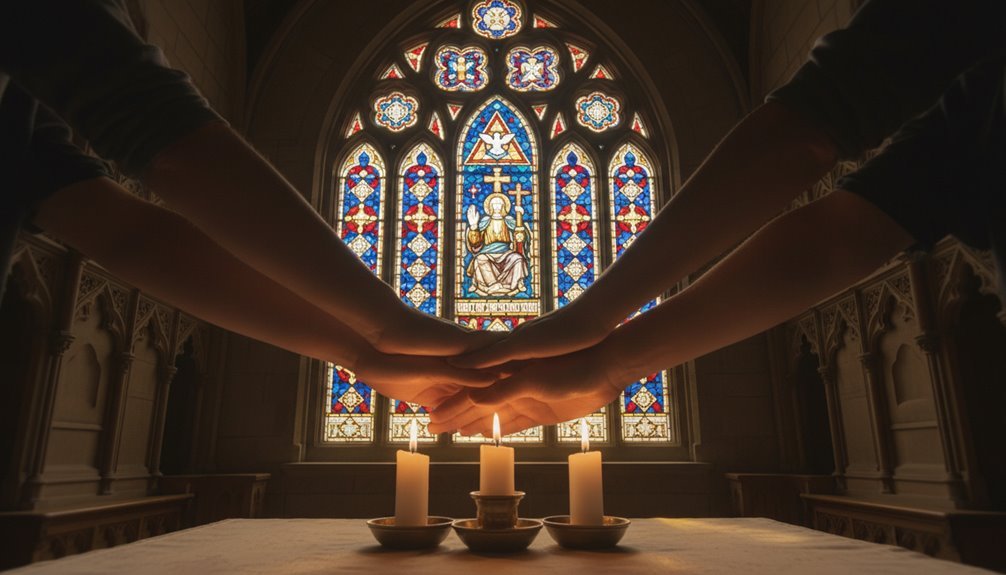
20 Apr How To Celebrate The Unity Of The Trinity Sunday
Celebrate Trinity Sunday by opening with a creed—Apostles’ or Nicene—to affirm the Father, Son, and Holy Spirit. Sing “Holy, Holy, Holy” or the Doxology, then hear a reading like John 16:12‑15 that highlights all three Persons. Offer a simple activity, such as planting pansies or shaping pretzel dough with three holes, to symbolize unity in diversity. End with a Trinitarian collect that names each Person, and keep the focus alive throughout the week with short prayers and family discussions. Continue for deeper insights.
Table of Contents
Define Trinity Sunday and Its Core Unity
What’s Trinity Sunday? You celebrate the feast that declares the Trinity’s unity—Father, Son, and Holy Spirit—as one God in three distinct persons. The day follows Easter and Pentecost, anchoring the 50‑day Easter season. You recognize how salvation history reveals the Father sending the Son, then the Spirit, weaving a single divine purpose through creation, redemption, and prayer. In worship you’ll hear the Creed—often the Athanasian, Nicene, or Apostles’—articulating this mystery with precision. The core unity you honor isn’t a vague idea but a concrete truth: the Triune God works together, each person fully God, yet together one. This unity shapes every prayer, hymn, and liturgy you join, reminding you that worship is directed to the same divine source. By grasping this doctrine, you deepen your participation in the celebration, aligning your heart with the timeless proclamation of the Trinity.
Select Trinity Sunday Worship Elements: Creeds, Hymns, Prayers, and Readings
How can you shape a Trinity Sunday service that truly reflects the three‑in‑one nature of God? Begin by reciting a creed—Apostles’ Creed or Nicene Creed—so worshipers hear a concise, authoritative confession of the Father, Son, and Holy Spirit. Follow with hymns that celebrate the Triune mystery: “Holy, Holy, Holy,” the Gloria Patri, and a classic Doxology. Choose readings that spotlight the Trinity, such as John 16:12‑15 or Matthew 28:16‑20, and pair them with a preaching text like Ephesians 1:3‑14 that links creation and redemption to all three Persons. Insert a collect that consistently mentions Father, Son, and Holy Spirit, binding each element together. By weaving creeds, hymns, prayers, and readings in this way, you create a cohesive worship experience that honors Trinity Sunday’s core unity without excess or distraction.
Plan Trinity Sunday Activities: Gardening, Food, Music, and Fellowship
Ever wonder how to turn a simple gathering into a vivid celebration of the Trinity? Start with gardening: hand out pansies, the traditional “Trinity Flower,” and let guests use a water can and tools to plant them, feeling the soil symbolize Father, Son, and Spirit.
Next, move to food. Knead soft pretzel dough together, explaining the three holes as a tasty reminder of divine unity. While the pretzels bake, set up a music corner. Play a piano or trumpet chord that mirrors the Trinity’s harmony, then invite everyone to sing triadic hymns like “Holy, Holy, Holy” and the Gloria Patri.
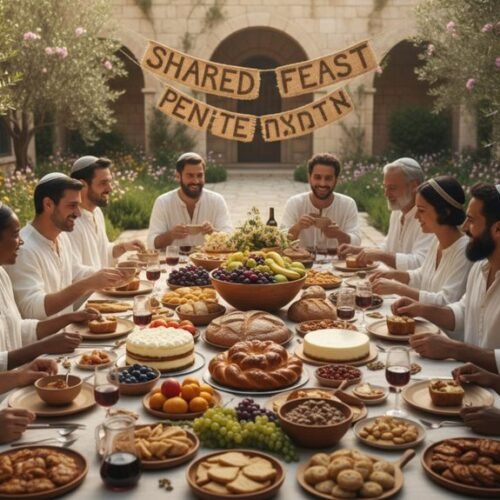
Finally, foster fellowship with dinner or a game night, using the shared meal to reflect on unity in Christ. Sprinkle brief prayers and a short perichoresis note between songs, and you’ll have a joyful, cohesive Trinity celebration.
Teach Children the Trinity on Trinity Sunday With Scripture‑Based Lessons
Curious about a simple way to help kids grasp the Trinity on Sunday? You can start with scripture‑based lessons that show the Trinity’s unity while highlighting the Father, Son, and Holy Spirit as distinct persons. Use the creation story to point out the Father’s voice, the Son’s role in the Word, and the Spirit’s breath of life. Then move to Jesus’s baptism, where the Father speaks, the Son is baptized, and the Spirit descends.
Ask children clear questions like “How many persons are in God?” and “Who is ‘the Word’ in John 1?” to reinforce learning. Keep language biblical—use terms like begotten and sent—without resorting to analogies. Provide age‑appropriate resources, such as children’s songs tied to New City Catechism questions two and three, so the message of the Trinity’s unity and distinction stays memorable throughout the week.
Provide Simple Trinity Sunday Questions, Songs, and Family Resources
After introducing scripture‑based lessons that let kids see the Father, Son, and Holy Spirit at work, you can bring the whole family into a simple, engaging Trinity Sunday celebration. Start with a quick Q&A: “How many persons are in God? Who’s the Son? Who’s the Spirit?” Keep the answers short—three persons, Jesus is the Son, the Holy Spirit is the Spirit. Play a short playlist featuring “Holy, Holy, Holy” and “Doxology” to reinforce Triune worship. Hand out a printable family resource that explains each Person of the Trinity and includes a verse like Matthew 28:19 or John 1:1‑14. Pair the lesson with a hands‑on activity such as planting pansies while you talk about unity and diversity in God. Finally, use the discussion guide for parents: ask where you see the Father, Son, and Spirit working today and how you can honor all three in daily life. These family resources make Trinity Sunday memorable and meaningful.
Integrate Trinity Sunday Focus Into Weekly Worship and Daily Life
How can you weave the Trinity’s presence into every Sunday and daily routine? Begin by auditing your worship schedule each week. Replace generic prayers with a Trinitarian collect that names Father, Son, and Spirit. Insert the Apostles’ Creed or Nicene Creed at the opening, and let “Holy, Holy, Holy” echo before the sermon. Use liturgical imagery—cross, dove, and flame—to remind the congregation of the divine economy. Choose Scripture that highlights the Father sending the Son and the Spirit, such as Ephesians 1:3‑14, and let the lectionary spotlight creation, redemption, and the Holy Spirit’s work. In daily life, recite the Gloria Patri before meals, and pause for a brief reflection on how the Father’s love, the Son’s sacrifice, and the Spirit’s guidance shape each decision. This intentional rhythm keeps Trinity Sunday’s focus alive throughout the week.
Frequently Asked Questions
How Do You Celebrate Trinity Sunday?
You celebrate Trinity Sunday by gathering your community for worship, reading Ephesians 1:3‑14 and Matthew 28:16‑20, and reciting the Nicene Creed.
Sing “Holy, Holy, Holy” and “Come, Thou Almighty King,” then pray the Gloria Patri and Doxology.
Lead triune‑themed prayers, share Trinity‑focused teaching, and invite friends for fellowship, using music and reflection to highlight the Father’s sending, the Son’s redemption, and the Spirit’s presence.
What Are the 7 Elements of Unity?
You’ll find seven elements of unity: you believe in one Triune God—Father, Son, and Holy Spirit—while recognizing their distinct persons; you focus liturgy on Trinitarian mysteries; you recite a creedal confession like the Nicene Creed; you use unified worship practices—songs, prayers, readings—centered on the Trinity; you select Scripture and preaching that highlight creation, redemption, and sanctification through all three Persons; you foster community acts—shared meals, service, hospitality—that embody Trinitarian love.
How Do You Tell if You’re Marked by God?
You’ll know you’re marked by God when you feel an increasing hunger for holiness, humility, and obedience to Scripture.
You’ll notice a deeper conviction of sin, prompting genuine repentance and a constant desire to love God and others.
The fruit of the Spirit—love, joy, peace, patience, kindness, goodness, faithfulness, gentleness, self‑control—will become evident in your life.
You’ll actively participate in worship, prayer, and community, and your relationships will reflect Christ’s transforming influence.
What Color Do You Wear on Trinity Sunday?
You wear white on Trinity Sunday. This bright hue reflects the feast’s joy and purity, so choose white vestments, altar cloths, or even a simple white shirt. If you want extra flair, add gold or silver accents to highlight the divine mystery.
When white isn’t possible, sprinkle white lilies or other pale décor around the sanctuary. The goal is to create a clean, celebratory atmosphere that honors the Trinity’s unity.
Conclusion
Now that you’ve woven creeds, hymns, and heartfelt prayers into your worship, you’ll see the Trinity’s unity shine through every song, story, and shared meal. Keep the celebration alive by inviting families to explore the mystery together, using simple questions and joyful activities. Let the spirit of Trinity Sunday seep into your weekly gatherings and daily moments, reminding everyone that the Father, Son, and Holy Spirit are forever bound in love.







No Comments