

21 Apr What Are Whitsuntide Confirmation Ceremony Customs?
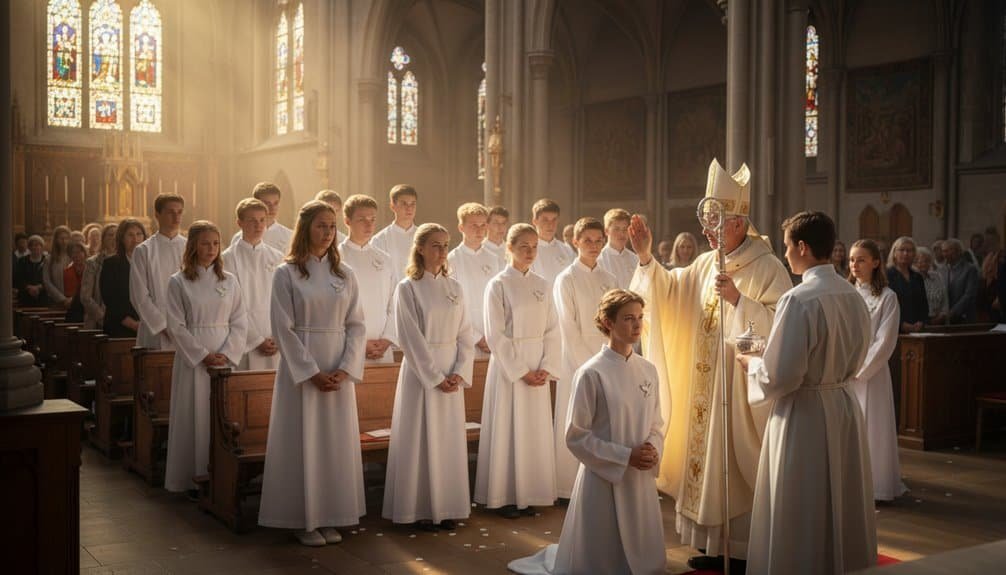
You’ll join a Whitsuntide Confirmation where a hymn opens the service, a Pentecost‑linked Scripture reading follows, and a responsive prayer invites the Holy Spirit. The bishop lays hands on you, anoints your forehead with chrism, and you wear a white stole symbolizing purity. The chasuble reflects the liturgical color, and the mitre signals apostolic continuity. Regional customs may add local music or language, and your family’s support deepens the experience, leading you toward the next steps.
Table of Contents
Confirmation Defined: Meaning and Spiritual Purpose
How does confirmation shape your faith journey? You experience it as a deliberate affirmation of the promises made at baptism, a moment you consciously embrace the Holy Spirit’s guidance.
Confirmation isn’t merely a rite; it’s a personal covenant that deepens your commitment to the faith community. You receive the laying on of hands, symbolizing the transmission of divine strength, and you’re invited to articulate your belief in a way that resonates with your life’s context.
This act crystallizes your identity as a disciple, empowering you to serve, witness, and grow spiritually. The spiritual purpose lies in reinforcing your bond with Christ, fostering moral clarity, and encouraging active participation in worship and service. By confirming, you acknowledge the ongoing work of the Spirit within you, aligning your actions with the gospel’s call to love, justice, and compassion.
Historical Roots of the Confirmation Ceremony
You’ll notice that early Christian baptism already included a rite of laying on hands, which later evolved into confirmation. In the medieval church, liturgical scholars formalized this practice, linking it to the Holy Spirit’s gifts at Pentecost. These roots help explain why Whitsuntide remains the focal point for modern ceremonies.
Early Christian Baptism Practices
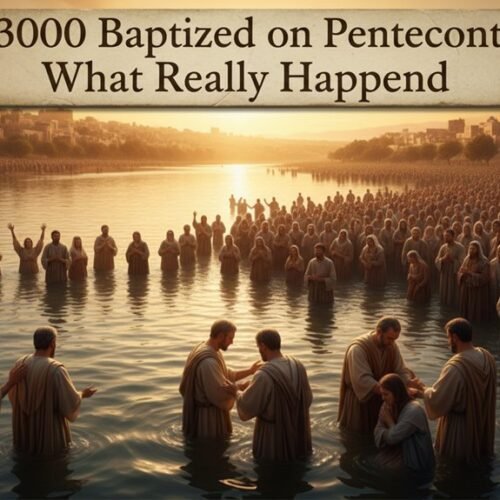
When the early church began formalizing its rites, baptism emerged as a communal immersion that signified both repentance and rebirth, laying the groundwork for the later confirmation ceremony. You’ll notice that early Christians baptized adults rather than infants, often in rivers or baptisteries, and they required a profession of faith before the water. The ritual involved triple immersion—symbolizing the Trinity—and the laying on of hands to invoke the Holy Spirit. Catechumens fasted, prayed, and received instruction, then emerged clean, clothed in white garments that represented purity. You also see that baptism was linked to charity: new believers were expected to support the community and live out the Gospel. These practices forged a theological bridge to confirmation, where the Spirit’s seal is reaffirmed.
Medieval Liturgical Developments
The baptismal foundations you just explored soon gave rise to a distinct rite in the medieval church, where the laying on of hands evolved into a formal confirmation ceremony.
By the 9th century, bishops began sealing the sacrament with an anointing of chrism, linking it to the Holy Spirit’s gifts.
You’ll notice that the rite moved from private catechumen gatherings to public liturgies during Whitsuntide, aligning with Pentecost’s emphasis on spiritual empowerment.
The ritual incorporated the rite’s prayer, a symbolic laying of hands, and a solemn oath of fidelity to the Church.
As you trace the development, you see how the rite’s language shifted toward theological precision, reflecting scholastic influence and the growing importance of sacramental theology in medieval worship.
Core Liturgical Elements of the Confirmation Ceremony
What makes the confirmation ceremony truly meaningful is its structured liturgy, which weaves together Scripture, prayer, and sacramental symbols to affirm your faith. You begin with the opening hymn, setting a reverent tone before the priest reads a passage that links Pentecost’s Spirit with your own journey. The congregation then joins in a responsive prayer, invoking the Holy Spirit’s guidance. Next, the laying on of hands occurs: the bishop or priest raises his hands, invoking the Spirit while you kneel, feeling the weight of apostolic succession. The anointing follows, as holy oil is applied to your forehead, sealing the promise. You stand for the renewal of vows, reciting the baptismal creed and affirming your commitment. The rite concludes with a final blessing and the communal “Amen,” sending you forward as a fully initiated member of the Church.
Traditional Attire and Symbols
Ever wondered why you’ll see a white stole, a chasuble, and a bishop’s mitre at a Whitsuntide confirmation? You’ll notice the candidate wears a white stole symbolizing purity and the Holy Spirit’s presence. The chasuble, a sleeveless outer vestment, drapes over the stole and reflects the liturgical color of the season—often white or gold for Pentecost. The bishop’s mitre crowns the officiant, signifying apostolic authority and the sacrament’s continuity. You’ll also spot a chrism oil vial, used to anoint the confirmand’s forehead, sealing the gifts of the Holy Spirit. The paten and chalice appear on the altar, reminding you of the Eucharist’s role in the rite. A crucifix or processional cross may be carried, reinforcing the centrality of Christ’s sacrifice. Together, these garments and symbols create a visual language that deepens the ceremony’s meaning and connects you to centuries of tradition.
Regional Variations in Anglican Confirmation
You’ll notice that each diocese tailors its liturgy, so the rite can feel quite different from one region to another.
Cultural customs shape the symbols and gestures you encounter, weaving local traditions into the ceremony.
And when the service incorporates the community’s language, the words of affirmation resonate more personally with you.
Diocesan Liturgical Variations
Because Anglican provinces span continents, each diocese tailors the Whitsuntide confirmation rite to reflect local liturgical traditions and cultural rhythms. You’ll notice that some dioceses keep the historic ordinal‑day structure, while others shift the service to the nearest Sunday for congregational convenience. In many English‑speaking regions, the rite opens with the ancient “Veni Creator Spiritus” chant, yet in African dioceses the opening may feature a call‑and‑response hymn in a local language. Some bishops pronounce the laying‑on‑of‑hands after the Gospel reading; others place it before the renewal of vows. You may also encounter variations in the use of incense, the inclusion of a processional banner, or the length of the affirmations, all calibrated to the diocese’s theological emphasis and pastoral priorities.
Cultural Influences on Rituals
When you attend a Whitsuntide confirmation in different parts of the Anglican Communion, you’ll notice how local culture shapes every element of the rite.
In West Africa, vibrant drums echo during the procession, and participants wear brightly patterned fabrics that reflect tribal identity.
In the Caribbean, steel‑pan music replaces the traditional organ, while incense is often substituted with locally sourced herbs.
In England’s rural parishes, the ceremony may include a harvest‑themed hymn and a simple wooden chalice, whereas urban North American churches might incorporate contemporary worship bands and multimedia slides.
These regional touches affect the vestments, music, and even the order of prayers, turning a universal sacrament into a distinct cultural expression while preserving its core theological meaning.
Local Language Integration
Language shapes the way a confirmation feels, and Anglican provinces often weave local tongues into the rite. You’ll hear hymns in Yoruba in Nigeria, Tagalog in the Philippines, and Māori in New Zealand, each version preserving theological nuance while resonating culturally. When the bishop pronounces the affirmation, you may respond in the vernacular, reinforcing personal commitment. Local liturgies adapt Scripture readings, prayers, and vows to reflect idioms and rhythm, making the ceremony more intimate. Clergy translate key terms—“grace,” “faith,” “holy”—to avoid alienation, yet retain doctrinal consistency. This linguistic integration honors community identity, deepens participation, and demonstrates Anglicanism’s flexibility across continents.
How to Prepare for Confirmation: Classes, Catechism, Family
How do you get ready for your confirmation? First, sign up for the parish’s confirmation class and attend every session. The teacher will guide you through Scripture, the sacraments, and the role of the Holy Spirit, so take notes and ask questions.
Next, begin the catechism study: read the assigned chapters, complete the review worksheets, and memorize key prayers. Use a study guide or app if the parish provides one, and test yourself weekly to gauge progress.
Involve your family by sharing what you learn at dinner, inviting them to attend the class, and asking a parent or grandparent to pray with you. Their support reinforces the material and deepens your spiritual preparation.
Finally, schedule a one‑on‑one meeting with your sponsor or priest to discuss any doubts, confirm your readiness, and receive any last‑minute guidance before the ceremony.
Frequently Asked Questions
What Is the Typical Cost of a Confirmation Ceremony?
You’ll usually spend between $300 and $1,200 on a confirmation ceremony, depending on venue, catering, attire, and any photographer or musician you hire.
Churches often charge a modest fee for the ceremony itself—sometimes as low as $50—but you’ll add costs for a reception, invitations, and decorations.
If you opt for a larger celebration, the budget can easily climb to $2,000 or more.
Plan ahead, compare quotes, and prioritize what matters most to you.
Can Non‑Anglican Guests Receive Communion at Confirmation?
You can’t usually let non‑Anglican guests receive communion at a confirmation service, because Anglican churches generally restrict the Eucharist to baptized members in good standing.
Some parishes may make an exception for baptized Christians from other denominations, but they’ll usually require prior approval from the priest and a brief instruction on the rite.
If the guest isn’t baptized, they’re typically invited to partake in a separate prayer or receive a blessing instead.
Do Confirmation Sponsors Need to Be Ordained Clergy?
You don’t have to be ordained clergy to serve as a confirmation sponsor, but most denominations expect sponsors to be baptized Christians in good standing, often members of the same church.
Some traditions, like the Anglican Communion, prefer a priest or deacon, while others, such as many Lutheran or Methodist bodies, allow lay sponsors who’ve completed a brief preparation course.
Check your local parish’s policy to ensure you meet their specific requirements.
How Long Does the Confirmation Preparation Class Usually Last?
You’ll find most preparation classes run for about eight to twelve weeks, meeting once a week for an hour or two. Some parishes condense the material into a four‑week intensive, while others spread it over a semester with bi‑weekly sessions. Generally, you’ll cover scripture, sacraments, and personal faith formation, and the total instructional time usually totals 12–20 hours before your confirmation day.
Are There Special Dietary Restrictions for Confirmation Celebrations?
You won’t usually find strict dietary rules for confirmation celebrations, but many families keep it simple and family‑friendly.
You can serve a light buffet with salads, fruit, and modest proteins, avoiding heavy alcohol or overly indulgent dishes if the event is religious.
If the parish has a particular tradition, they might suggest a modest cake or avoid meat on certain feast days, but overall, the focus stays on the ceremony, not strict fasting.
Conclusion
Now you’ve seen how confirmation blends ancient tradition with personal faith, you can step into the ceremony confident and prepared. Embrace the liturgy, wear the symbols that connect you to centuries of believers, and let the regional customs enrich your experience. With your studies complete and your heart open, the rite becomes a powerful affirmation of your spiritual journey and a lasting bond with the community.








No Comments