

31 Mar Bible Trivia Games That Make Study Actually Fun
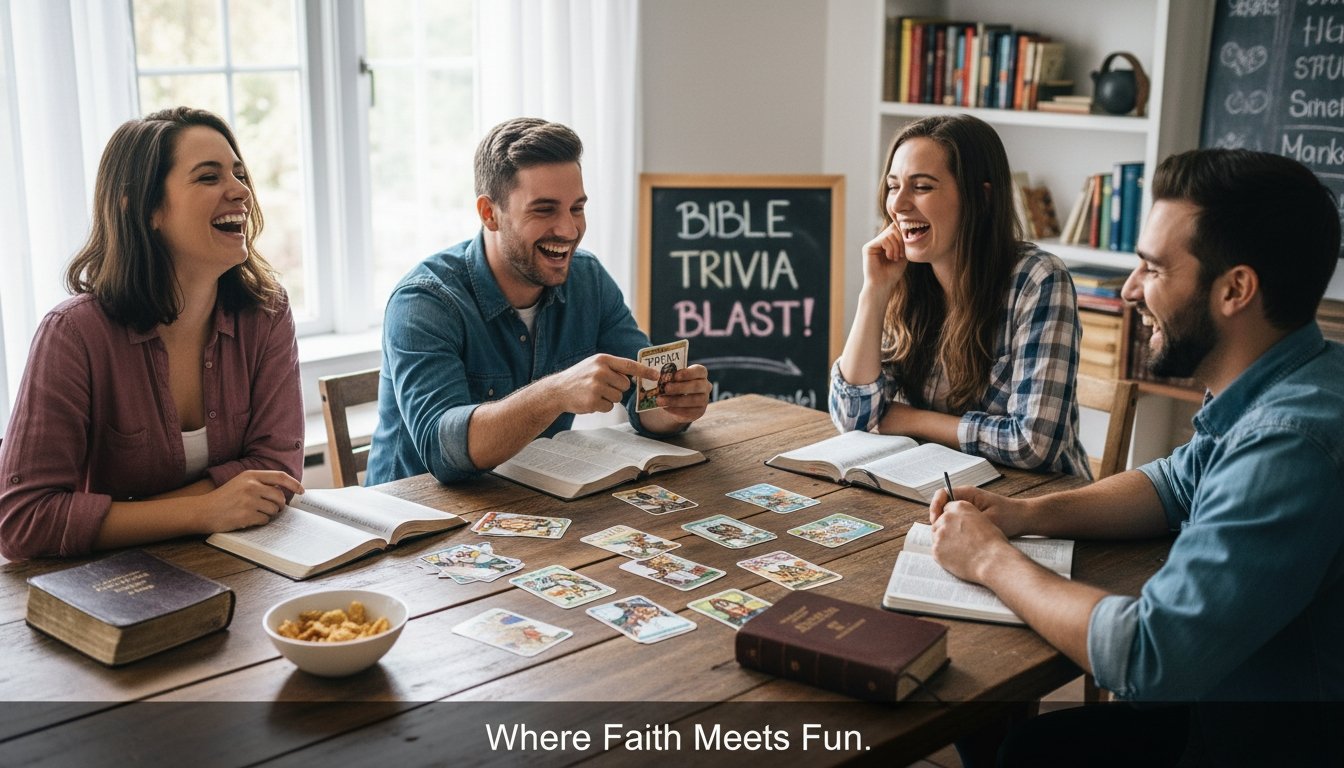
You can turn Scripture study into a lively game night with Bible trivia that boosts memory and deepens insight. Use Jeopardy‑style boards, speed rounds, picture prompts, role‑play scenarios, or team relays to keep everyone engaged. Tailor the format to your group’s age, size, and skill level—kids love visual puzzles, teens enjoy open‑ended challenges, and larger groups thrive on team play. Set up a simple scoring system, a buzzer app, and snacks, then frame each round as a learning moment rather than a win‑or‑lose battle. Keep the atmosphere friendly, reward thoughtful explanations, and end with a brief reflection to connect the fun to personal growth; the next sections will show you exactly how to organize and run it.
Table of Contents
Define Bible Trivia and Its Study Benefits
A few minutes of Bible trivia can turn a dry study session into an engaging, interactive experience. You define Bible trivia as a game‑based review of Scripture facts, characters, and themes, where participants answer questions rather than simply read passages. This format forces you to retrieve information actively, which strengthens memory more than passive rereading. You’ll notice faster recall of verses, improved comprehension of narrative connections, and heightened awareness of theological nuances. The competitive edge keeps you alert, while collaboration encourages discussion and deeper insight. By framing study as a quiz, you create a low‑pressure environment that reduces anxiety and boosts confidence. You also develop critical thinking as you weigh clues and eliminate distractors. Ultimately, Bible trivia transforms learning into a dynamic, enjoyable process that reinforces knowledge and fuels a lasting passion for the Word.
5 Bible Trivia Quiz Formats That Turn Study Into a Game Night
After seeing how a few minutes of trivia can sharpen recall and spark discussion, you’ll want to structure those moments into full‑blown game‑night sessions. Turn the study into a lively competition by mixing formats that keep everyone engaged. A classic “Jeopardy‑style” board lets teams pick categories and point values, encouraging quick recall of verses, characters, and events. “Speed round” challenges players to answer as many questions as possible within a timed burst, perfect for reinforcing facts under pressure. “Picture‑prompt” rounds display artwork or map fragments, prompting participants to identify the biblical story or location. For deeper interaction, try “role‑play” scenarios where you act out a parable and others guess the moral or scripture reference. Finally, “team relay” splits the group into squads that pass a baton after each correct answer, turning knowledge sharing into a cooperative sprint. These varied formats transform study into an entertaining, memorable night.
How to Choose the Right Bible Trivia Style for Age, Size, and Skill Level?
Which Bible trivia style fits your group’s age, size, and skill level? Start by gauging the age range: younger kids thrive on visual puzzles and simple multiple‑choice questions, while teens and adults enjoy deeper, open‑ended challenges.

Next, consider group size: small gatherings (3‑6 people) work well with rapid‑fire rounds or “who’s most likely” formats that keep everyone speaking; larger groups (7‑15+) benefit from team‑based play, rotating stations, or board‑style trivia where scores stay visible.
Finally, assess skill level: beginners appreciate starter decks that limit obscure verses, whereas seasoned scholars crave thematic rounds—prophecy, parables, or chronology—that test nuanced knowledge.
Mix and match elements if needed: a quick ice‑breaker quiz for all ages, followed by a focused round for the more experienced.
DIY Bible Trivia Night: Step‑by‑Step Setup
Ready to host a Bible trivia night that feels like a celebration rather than a lecture? First, pick a date and send invites that hint at prizes and fun. Choose a space with enough seating, a screen or projector, and a reliable Wi‑Fi hotspot. Next, gather your questions: pull verses, themes, and characters from a study Bible, then write them on index cards or a digital spreadsheet, grouping them into easy, medium, and hard rounds. Create a simple scoring sheet—one point per correct answer, bonus points for speed. Set up a buzzer system or use a free app that lets phones buzz in. Arrange snacks and drinks on a side table, keeping the vibe relaxed. When guests arrive, explain the rules in two minutes, then kick off with a warm‑up round to break the ice. Keep the energy high, track scores, and announce the winner with a small prize. Celebrate learning together!
Tips for Keeping Bible Trivia Competition Friendly and Learning Deep
How can you keep a Bible trivia competition fun while still diving deep into Scripture? Start by framing each round as a learning moment, not a win‑or‑lose battle. Offer “bonus” questions that explore context, cultural background, or theological nuance, and reward thoughtful explanations over speed. Keep teams mixed in age and experience so newer believers can learn from seasoned ones. Set clear, friendly rules: no shouting, no personal attacks, and a time limit that encourages quick thinking without pressure. Use a points system that values depth—grant extra points for citing verses or linking themes across books. Celebrate correct answers with brief, uplifting remarks that reinforce the lesson. If a dispute arises, pause, consult the text together, and model respectful dialogue. End each session with a short reflection or prayer, tying the trivia back to personal growth and community. This approach makes competition lively, inclusive, and spiritually enriching.

Frequently Asked Questions
How Can I Adapt Trivia for Visually Impaired Participants?
You can adapt trivia for visually impaired participants by using audio‑first formats: read questions aloud, offer spoken answer choices, and let players respond with voice commands or tactile devices. Incorporate screen‑reader‑compatible apps that announce scores and timers. Use Braille cards for key terms, and ensure any visual clues have descriptive audio.
Keep pacing steady, repeat information when needed, and test the setup with users before playing.
What Tools Help Track Individual Scores Across Multiple Sessions?
You can use Google Sheets with shared access, setting up a tab for each session and a column for each player’s cumulative total.
Apps like Kahoot! or Quizizz automatically log scores and let you export CSV files for later aggregation.
If you prefer a dedicated tool, try ClassMarker or Socrative, which track individual results across games and generate leaderboards.
For mobile‑first tracking, download ScorePal, which syncs scores via cloud and works offline.
Can I Integrate Live Streaming for Remote Players?
Yes, you can integrate live streaming for remote players. Use a platform like Twitch or YouTube Live, embed the stream in your trivia app, and sync the game’s API with the broadcast. Set up a chat bot to collect answers in real‑time, and display scores on screen. Make sure latency stays low, secure the stream with a password, and test the workflow before you go live.
Are There Printable Templates for Custom Question Cards?
Yes, you can download printable templates for custom question cards. Visit the resource page on the game’s website, select “Templates,” and choose the PDF format you prefer. The files include blank card outlines, space for your question, answer, and optional hints. Print them on cardstock, cut along the guide lines, and you’ll have ready‑to‑play cards in minutes. Feel free to edit the text before printing for a personalized experience.
How Do I Handle Controversial or Sensitive Biblical Topics?
You should frame controversial or sensitive biblical topics as respectful discussion prompts, not debates. Start by acknowledging diverse perspectives, then present the passage fact‑based, highlighting historical and cultural context. Encourage players to share interpretations while emphasizing empathy and listening. Use neutral language, avoid judgment, and set clear ground rules for respectful dialogue. If tension rises, steer the conversation back to learning objectives and remind everyone of the game’s collaborative spirit.
Conclusion
So now you’ve seen how Bible trivia can turn study into a lively, engaging experience. By picking the right format, tailoring it to your group, and keeping the atmosphere friendly, you’ll deepen knowledge while having fun. Set up your own trivia night, follow the simple steps, and watch everyone grow in faith and fellowship—one question at a time.




















No Comments