

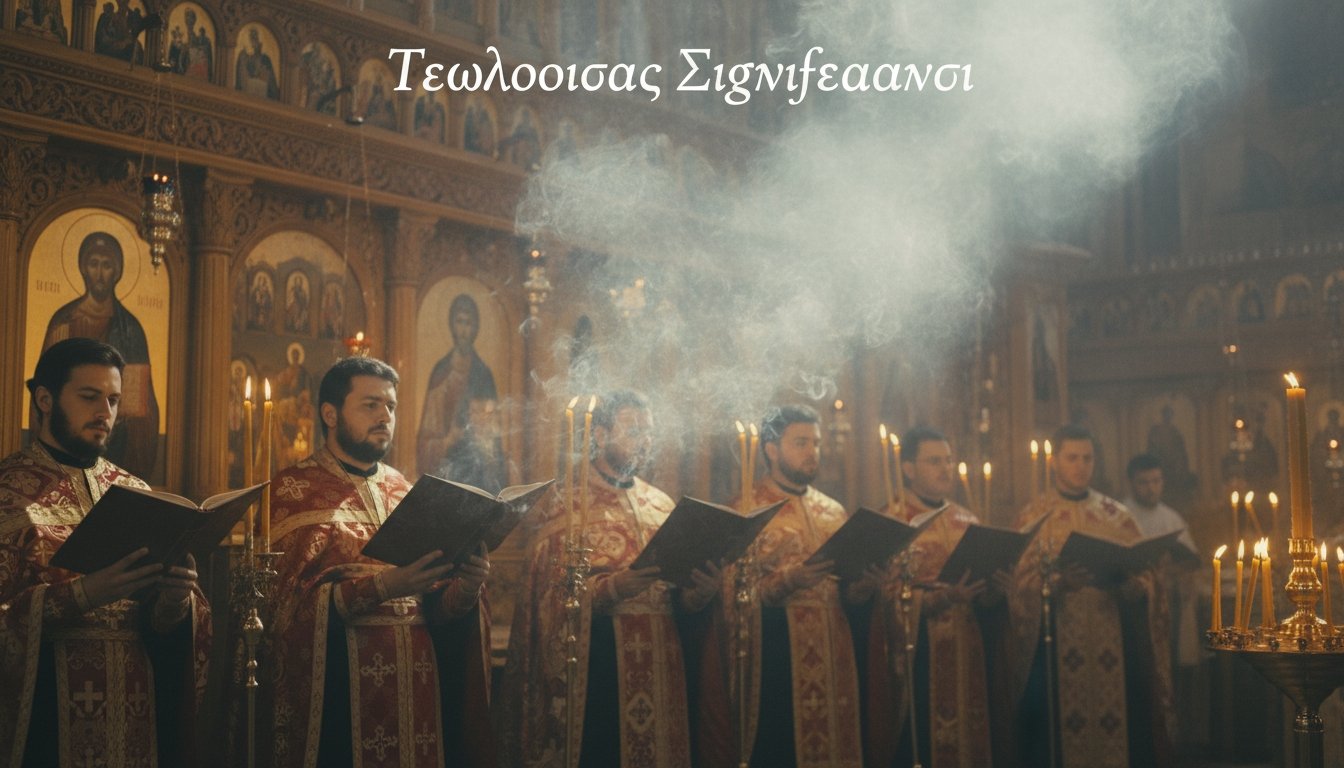
25 Feb Why Byzantine Chant Shapes Pascha Services?
The haunting melodies and rich harmonies of Byzantine chant are woven throughout the Pascha liturgies, shaping the sacred soundscape that resonates with the profound mystery of Christ’s resurrection. Its distinctive modes, rhythms, and ornamentation contribute to the transformative experience, elevating the reverence and celebration. You’ll discover how this ancient tradition has preserved and expanded its global influence, continuing to shape the spiritual experience of modern Pascha services.
Key Takeaways
- Byzantine chant is an integral part of the liturgical structure during Pascha (Easter) services, shaping the flow and atmosphere of these celebrations.
- The haunting melodies, rich harmonies, and distinctive Byzantine musical modes create a sacred soundscape that enhances the theological themes and spiritual experience of Pascha.
- Specific chants like the Irmos, Exapostilarion, and Paschal Stichera enable theological reflection and foster communal reverence and celebration during the Pascha services.
- The ethereal, meditative, and transcendent qualities of Byzantine chant contribute to the overall sense of awe and mystery surrounding the celebration of Christ’s resurrection.
- The timeless and universal nature of Byzantine chant allows it to seamlessly integrate into the Pascha observances, connecting worshippers across generations and denominations to the ancient Christian tradition.
The Historical Roots and Evolution of Byzantine Chant
Where do the historical roots of Byzantine chant lie? The origins of this sacred music can be traced back to the early Christian church in the Byzantine Empire. Drawing on ancient Greek and Hebrew musical traditions, Byzantine chant evolved over centuries, becoming an integral part of Orthodox liturgical worship. Over time, it developed distinct melodic modes, rhythmic patterns, and ornamental flourishes that reflected the spiritual essence of the Eastern Christian experience.
As the Byzantine Empire expanded, so too did the influence of its chant, which spread across the Balkans, Eastern Europe, and Russia. Today, this rich musical legacy continues to shape the Pascha services, infusing them with a sense of timeless majesty and mysticism.
The Integral Role of Byzantine Chant in Pascha Liturgies
How exactly does Byzantine chant shape the Pascha services in the Eastern Orthodox tradition? Byzantine chant is integral to the Pascha liturgies, from the solemn Lamentations on Good Friday to the joyous Paschal Matins. Its hauntingly beautiful melodies and rich harmonies evoke the mystery and triumph of Christ’s resurrection. The distinctive Byzantine modes create a sacred soundscape that draws worshippers into the timeless experience of Pascha. Chants like the Irmos, Exapostilarion, and Paschal Stichera become vehicles for profound theological reflection and emotional expression. They bind the community together in shared reverence and celebration. Ultimately, the pervasive influence of Byzantine chant infuses the Pascha services with a sense of timelessness, elevating the faithful to the heavenly realm through the power of sacred song.
The Distinctive Sound and Symbolism of Byzantine Chant
What’s it about the distinctive sound and symbolism of Byzantine chant that makes it so captivating within the Eastern Orthodox Pascha services? The haunting, ethereal melodies evoke a sense of timelessness, transporting worshippers to realms beyond the physical. The complex, interwoven harmonies mirror the profound mystery of Christ’s resurrection. Rhythmic chants build anticipation, their pulsing echoes evoking the beating heart of the Church. Ethereal vocal timbres create an otherworldly atmosphere, evoking the presence of the divine. Poignant lyrics recount salvation history, their emotive delivery stirring the soul. This multifaceted sound speaks to the human spirit, resonating with the sacred symbols and spiritual symbolism at the heart of Pascha. It’s a sonic tapestry woven with sacred significance, elevating the liturgy to a transcendent experience.
How Byzantine Chant Elevates the Pascha Worship Experience
The transcendent qualities of Byzantine chant captivate you, evoking profound spiritual depth. Its meditative melodies guide your liturgical expressions, elevating the Pascha worship experience. You’re swept into a realm of sacred mystery, your soul uplifted by the power of these ancient sacred songs.
Transcendent Chant Qualities
Why do the transcendent qualities of Byzantine chant elevate the Pascha worship experience? The ethereal, otherworldly sound transports worshippers beyond the physical world. The mystical, modal melodies evoke a deep sense of the divine. Vibrant, ecstatic rhythms stir the soul. Seamless, layered harmonies create an immersive, enveloping soundscape. Singers’ voices soar, blending into a unified whole that transcends individual expression. This chant captivates the senses, stirring profound emotion and drawing the faithful into the sacred mystery. Its transcendent qualities lift the Pascha celebration to the heavenly realm, uniting the earthly and celestial in a profound, transformative experience.
Spiritual Depth of Melodies
The spiritual depth of Byzantine chant’s melodies lies in their ability to profoundly touch the worshipper’s heart and soul during the Pascha celebration. These ancient, ethereal harmonies evoke a sense of the divine, transporting the listener to a realm beyond the physical. The soaring, contemplative tones inspire reverence and awe, guiding the faithful into a profound encounter with the mystery of Christ’s resurrection.
The subtle, intricate melodies seem to emanate from a celestial realm, elevating the worshipper’s spirit and drawing them ever deeper into the sacred liturgy. Through this sublime musical experience, the Byzantine chant shapes the Pascha service, imbuing it with a transcendent, otherworldly quality.
Meditative Liturgical Expressions
How does Byzantine chant elevate the Pascha worship experience through its meditative liturgical expressions? The slow, contemplative melodies of Byzantine chant invite you to enter a sacred state of mind. The hypnotic rhythms and sustained notes induce a trance-like focus, allowing you to fully immerse yourself in the mystery of Christ’s resurrection. The chant’s ethereal, otherworldly quality transports you beyond the mundane, connecting you to the divine. Its melismatic phrases, where a single syllable is sung across multiple notes, evoke a sense of timelessness, suspending you in a timeless, sacred moment. Through these meditative liturgical expressions, Byzantine chant heightens the spiritual intensity and transformative power of the Pascha services.
The Preservation and Continued Practice of Byzantine Chant
Remarkably, the preservation and continued practice of Byzantine chant have endured through the centuries, captivating the hearts and souls of worshippers worldwide. This ancient and sacred musical tradition, rooted in the Eastern Orthodox Church, has weathered the test of time, passing from generation to generation. Today, dedicated communities of singers ensure its legacy lives on, preserving the intricate melodies and rhythms that have shaped liturgical services for centuries. Through meticulous training and faithful performance, Byzantine chant remains a vital part of Pascha celebrations, transporting participants to a realm of profound spiritual contemplation. Its timeless beauty and profound expression continue to inspire and uplift, connecting the faithful to the divine in a truly transcendent manner.
The Global Influence and Enduring Legacy of Byzantine Chant
Byzantine chant’s global influence is undeniable. Its timeless spiritual expression has resonated across cultures, enduring for centuries.
Today, the legacy of this sacred music continues to shape and inspire Pascha services worldwide.
Expanding Cultural Footprint
The global influence and enduring legacy of Byzantine chant have left an indelible mark on sacred music traditions worldwide. From the Caucasus to the Iberian Peninsula, you’ll find echoes of Byzantine melodies woven into local liturgical styles. This cross-pollination has enriched cultural identities, allowing communities to preserve their unique heritage while embracing the timeless beauty of this ancient art form.
As the Eastern Orthodox Church expanded its reach, so too did the captivating sonorities of Byzantine chant, shaping the sacred soundscapes of diverse faith traditions. Today, this living tradition continues to inspire musicians and worshippers alike, its universal appeal transcending geographical and denominational boundaries.
Timeless Spiritual Expression
The timeless spiritual expression of Byzantine chant resonates across cultures, transcending geographic and denominational boundaries. You’ll find its soulful melodies and ethereal harmonies echoing in Orthodox churches worldwide, from Russia to Greece, inspiring devotion and connecting worshippers to the divine. This ancient musical tradition carries forward a rich heritage, its captivating beauty and profound spirituality undiminished by the passage of centuries. Whether you experience it in a candlelit service or through a recording, Byzantine chant’s timeless power to stir the heart and nourish the soul remains undiminished, a testament to its enduring legacy as a universal language of faith.
Frequently Asked Questions
What Instruments Are Used in Byzantine Chant?
Byzantine chant typically doesn’t use any instruments. It’s an a cappella tradition, with the human voice as the sole medium of musical expression. The chants are sung in monophonic, unaccompanied melodies that evoke the spiritual nature of the Byzantine liturgy. The focus is on the purity and resonance of the voices, which carry the rich, modal harmonies of this ancient sacred music.
How Do the Melodies of Byzantine Chant Differ From Western Chant?
Byzantine chant melodies are markedly different from Western chant. They’re characterized by more complex rhythms, elaborate ornamentation, and a modal system distinct from the Western major-minor tonal framework. The melodic lines in Byzantine chant also tend to be more fluid and improvisational, with a greater emphasis on the expressive qualities of the human voice.
Why Is Byzantine Chant Considered an Integral Part of Eastern Orthodox Liturgy?
Byzantine chant is considered an integral part of Eastern Orthodox liturgy because it’s deeply rooted in the spiritual and theological foundations of the Eastern Church. The melodies and modes of Byzantine chant are designed to enhance the devotional experience, conveying the solemn and mystical character of the Orthodox services. They’re not merely musical accompaniment but an inseparable element that shapes the liturgical experience.
How Is Byzantine Chant Passed Down Through Generations?
Byzantine chant has been passed down through generations through an oral tradition. Chants are memorized and taught by masters to students, who then become the new masters. This ensures the authenticity and continuity of the chants, which are deeply rooted in the liturgical life of the Eastern Orthodox Church. The living tradition of Byzantine chant preserves the spiritual essence of the Eastern Orthodox faith.
What Role Does Byzantine Chant Play in the Global Christian Community?
Byzantine chant plays a vital role in the global Christian community, serving as a unifying force that transcends geographical boundaries. Its rich, soulful melodies and deeply spiritual nature resonate with believers worldwide, fostering a sense of shared tradition and cultural heritage.
The chant’s influence extends beyond the Orthodox Church, inspiring and enriching the worship experiences of Christians from diverse denominations.
Conclusion
You’ll find that Byzantine chant shapes Pascha services in profound ways. Its historical roots and evolution have made it an integral part of these sacred liturgies. The distinctive sound and symbolism of Byzantine chant elevate the Pascha worship experience, and its preservation and continued practice ensure its enduring global influence and legacy.











No Comments