


09 Feb Ultimate Daniel Fast Shopping List Saves Hours of Planning
You’ll streamline your Daniel Fast by focusing on whole food matrices: vegetables, fruits, legumes, whole grains, nuts, and seeds as your core macronutrient sources. Prioritize budget-friendly retailers like Aldi for bulk purchases, timing produce buys early in the week for price reductions. Essential pantry items include quinoa, pinto beans, lentils, and quality oils like olive or avocado. Batch-prep grain-legume combinations to ensure complete protein profiles while maintaining amino acid balance. Strategic planning eliminates decision fatigue and maximizes nutritional compliance throughout your fast.
Table of Contents
Key Takeaways
- Focus on whole food matrices: vegetables, fruits, whole grains, legumes, nuts, and seeds as your core shopping foundation.
- Shop strategically at high-volume retailers like Aldi and Dollar Tree for bulk legumes, grains, and seasonal produce deals.
- Batch prep essentials: buy large quantities of quinoa, pinto beans, lentils, and split peas for multiple meals.
- Read labels vigilantly to avoid refined sugars, artificial additives, preservatives, and ensure nuts are unsalted and grains are whole.
- Stock freezer-friendly items like portioned soups and pre-cooked vegetables to minimize daily cooking and planning time.
Daniel Fast Approved Foods: Navigating Categories and Reading Labels
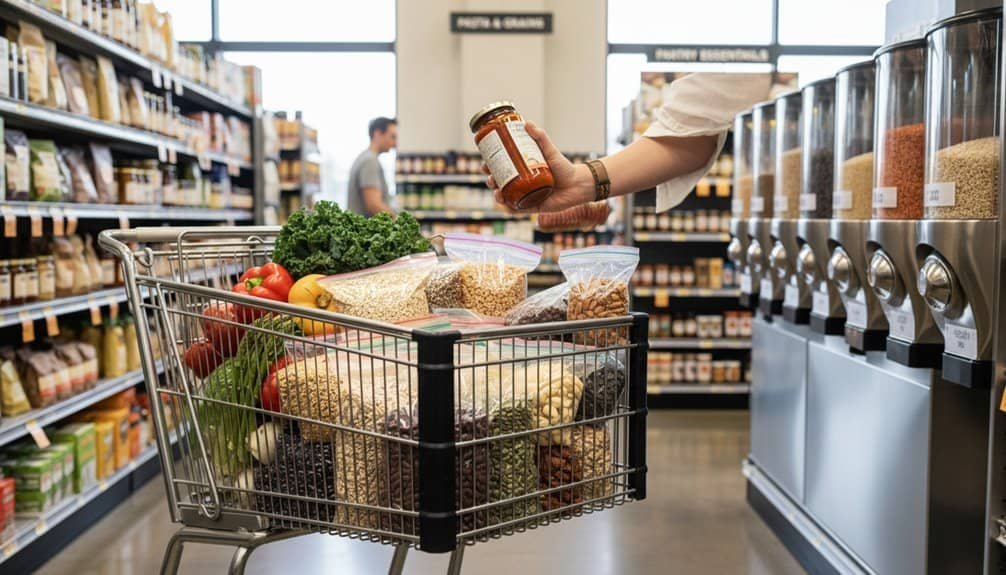
When embarking on the Daniel Fast, you’ll need to master food categorization and label interpretation to ensure complete adherence to the protocol’s stringent dietary parameters. Your budget savvy approach begins with identifying approved macronutrient sources: vegetables, fruits, whole grains, legumes, nuts, and seeds. Label reading becomes critical when selecting processed items—scrutinize ingredient lists for prohibited additives including refined sugars, artificial sweeteners, preservatives, colors, and flavors.
For canned and dried products, verify absence of added sugars and synthetic compounds. Whole grain selections must contain zero leavening agents or refined flour derivatives. Nuts and seeds require verification of unsalted status. Oil selections should be limited to unprocessed vegetable-based options like olive, avocado, and coconut varieties.
Your systematic categorization approach eliminates guesswork while maintaining nutritional compliance. Focus on whole food matrices rather than processed alternatives to maximize nutrient density and minimize label reading requirements during your Daniel Fast implementation. Remember that beverages are restricted to water only, eliminating all caffeinated drinks, sodas, and other flavored beverages from your shopping considerations.

Daniel Fast Shopping on a Budget: Store Selection and Timing Tips
How can strategic store selection and optimal timing slash your Daniel Fast grocery expenses while maintaining nutritional adequacy? Budget shopping requires systematic approaches targeting high-volume, low-cost retailers. Aldi provides economical fresh produce including 2-pound carrots, 3-pound apples, and sweet potatoes at competitive prices. Dollar Tree stocks essential legumes and grains, enabling bulk vegan purchases for foundational meals.
Effective produce timing involves purchasing larger vegetable batches early in the week when seasonal items experience price reductions. Target 3-pound bags of apples and sweet potatoes for optimal value. Select seasonal produce like bok choy, broccoli, and spinach to minimize costs while maximizing nutrient density.
Strategic legume procurement includes bulk purchases of pinto beans, lentils, and chickpeas—approximately 3 cans of black beans and 2 cans of chickpeas serve four people economically. Larger batches of bean-based soups and chili can be prepared and frozen in portions to maximize your grocery investment over multiple weeks. Combine Dollar Tree staples with fresh produce for comprehensive meal planning, maintaining nutritional adequacy while achieving significant cost reductions through calculated store selection and purchasing timing.
Printable Daniel Fast Shopping List With Pantry Essentials
Why struggle with incomplete shopping lists when a comprehensive printable guide transforms your Daniel Fast preparation into a systematic nutritional strategy? Your printable checklist should categorize approved foods by macronutrient density and storage requirements. Vegetables like cruciferous varieties (broccoli, Brussels sprouts, kale) provide essential phytonutrients, while legumes deliver complete protein profiles when combined with whole grains.
Pantry essentials require strategic organization. Stock quality oils (olive, avocado, coconut) for essential fatty acids. Include nuts and seeds for micronutrient density—almonds, walnuts, chia, and flax provide omega-3 fatty acids. Whole grains like quinoa and amaranth offer complete amino acid profiles.

Shopping psychology suggests grouping items by store sections to minimize decision fatigue. Budgeting tricks include prioritizing versatile staples: dried legumes cost less than canned varieties, while frozen fruits maintain nutritional value without premium pricing. Your printable list eliminates guesswork, ensuring nutritional adequacy throughout your fast.
Weekly Daniel Fast Meal Planning: Batch Prep and Inventory Management
Strategic weekly meal planning eliminates nutritional gaps while optimizing micronutrient absorption throughout your 21-day Daniel Fast commitment. Batch optimization begins with preparing 4 cups quinoa and large portions of legume-based soups for repeated utilization across multiple meals. You’ll maximize nutrient density by batch-cooking sweet potatoes, cauliflower, and Brussels sprouts while maintaining essential amino acid profiles through combined grain-legume preparations.
Inventory management practices ensure consistent macronutrient ratios by stocking pantry essentials: pinto beans, lentils, split peas, and quality oils. Your freezer becomes a nutritional reservoir for portioned soups and chili, preventing micronutrient deficiencies during prolonged fasting periods.
Two word discussion ideas include “prep rotation” and “nutrient timing” for sustained energy levels. Schedule baseline preparations on day one, creating foundation meals like black beans with brown rice. This systematic approach maintains glycemic stability while supporting cellular detoxification processes throughout your Daniel Fast journey.
Frequently Asked Questions
Can I Eat at Restaurants While Following the Daniel Fast?
You can eat at restaurants while fasting, though it requires careful meal planning and menu navigation. Most restaurants offer Daniel Fast-compliant options like grilled vegetables, legume-based dishes, and plant proteins. You’ll need to request modifications—sauces on the side, no added oils or dairy, and steamed preparations. Research restaurant options beforehand, focusing on establishments with fresh vegetable selections and accommodating preparation methods for successful adherence.
How Do I Handle Social Events and Family Gatherings During the Fast?
You’ll need strategic social tips to navigate gatherings while maintaining your fast. Keep your appearance normal and drink water when hungry. Limit conversations to necessary topics and explain you’re seeking spiritual focus if questioned.
Family dynamics require you to engage minimally while staying committed. Replace social activities with prayer group meetings for support. Avoid announcing your fast publicly and politely end unproductive discussions about your dietary choices.
What Should I Do if I Accidentally Eat Forbidden Foods?
Don’t panic if you’ve experienced accidental slips during your Daniel Fast. Resume your compliant eating pattern immediately without extending the fast duration. Accidental consumption doesn’t negate previous metabolic adaptations or spiritual benefits. Many participants face missed clear guidelines initially, leading to inadvertent infractions. Focus on hydration, return to approved vegetables, fruits, and legumes. Consider consulting your healthcare provider if you’re experiencing digestive distress from the dietary deviation.
Are Vitamins and Supplements Allowed During the Daniel Fast?
Yes, vitamins supplements are permitted during the Daniel Fast despite dietary restrictions. You should continue all medications without interruption and may add optional supplementation aligned with accepted ingredients. Choose a full-spectrum multivitamin daily, consider vitamin B-12 for extended fasting periods, and select plant-based protein powders from quality sources. Always read labels carefully to ensure compliance with Daniel Fast guidelines and avoid artificial additives.
How Long Should I Follow the Daniel Fast Eating Plan?
You should follow the Daniel Fast eating plan for 10-21 days initially, with most practitioners choosing these biblically-based durations. Clinical evidence shows significant health improvements within 10 days, including reduced blood pressure and improved metabolic markers. If you’re new to fasting, start with shorter periods and gradually increase duration based on your spiritual leading and physiological response to the nutritional restrictions.
Conclusion
You’ll optimize your Daniel Fast adherence by systematically categorizing compliant foods and implementing strategic purchasing protocols. Your nutrient intake remains adequate when you prioritize whole grains, legumes, and diverse produce selections. You’ll reduce preparation time through batch cooking methods and inventory rotation systems. Your metabolic requirements stay supported when you maintain consistent meal timing and portion control. You’ll achieve sustainable dietary compliance by establishing structured shopping routines and evidence-based meal planning frameworks throughout your fasting period.












No Comments