


16 Jan These Simple Daniel Fast Rules Are Changing Lives
You’ll experience measurable physiological changes within 72 hours on the Daniel Fast by eliminating processed foods, animal products, caffeine, and refined sugars. This plant-based protocol triggers improved insulin sensitivity, reduced systemic inflammation, and enhanced mental clarity that participants describe as life-transforming. Your body undergoes metabolic adaptation as nutrient-dense whole grains, legumes, and vegetables stabilize blood glucose levels while recalibrating hunger hormones. These evidence-based dietary restrictions create profound spiritual and physical benefits that extend well beyond the initial 21-day commitment.
Table of Contents
Key Takeaways
- Eliminating processed foods and focusing on whole grains, legumes, and vegetables transforms energy levels and mental clarity.
- Plant-based nutrition reduces inflammatory markers and improves glucose regulation within the 21-day protocol period.
- Combining dietary restriction with daily prayer goals creates powerful spiritual and physical discipline development.
- Batch cooking quinoa, lentils, and brown rice with proper meal planning ensures sustainable adherence and success.
- Gradual food reintroduction maintains 70-80% of benefits long-term, including improved insulin sensitivity and gut health.
Essential Daniel Fast Rules: Foods to Eat and Avoid
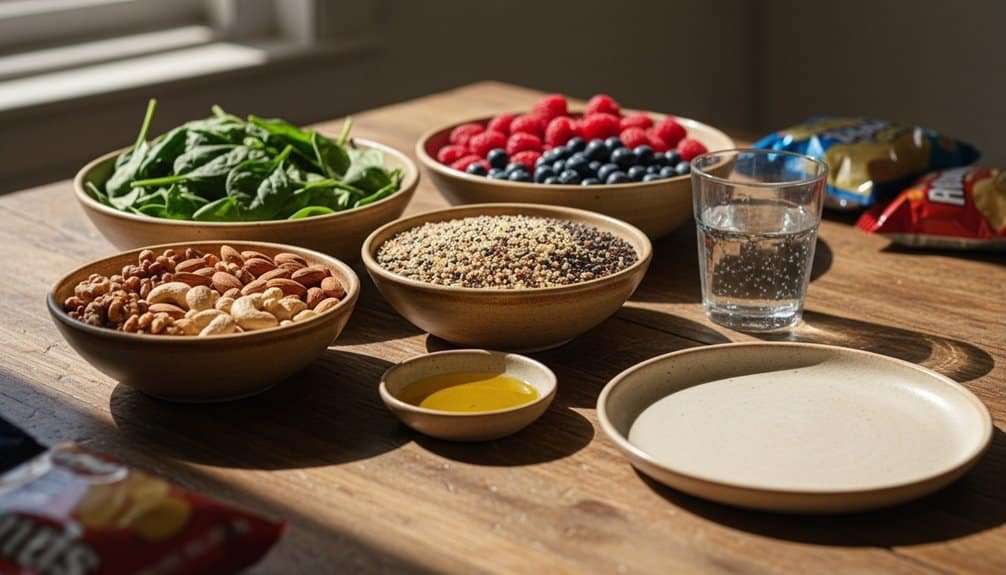
When following the Daniel Fast, you’ll adhere to a plant-based eating protocol that eliminates all animal products, processed foods, sweeteners, and leavened bread.
You’ll consume whole grains, legumes, fruits, vegetables, nuts, and seeds while avoiding dairy, meat, fish, eggs, and refined sugars.
Scrutinize ingredient lists carefully to identify hidden animal derivatives like gelatin, whey, or casein.
Read labels meticulously to spot concealed animal-derived ingredients that can compromise your Daniel Fast compliance.
Many packaged foods contain these additives despite appearing plant-based.
You’ll also eliminate caffeine, alcohol, and artificial additives.
Focus on nutrient-dense options: quinoa, brown rice, lentils, chickpeas, spinach, kale, berries, and almonds.
These provide essential amino acids, fiber, vitamins, and minerals necessary for optimal physiological function.
Check allergen warnings on packaged items, as cross-contamination with dairy or eggs may occur during manufacturing.
Oils like olive, coconut, and avocado are permitted, but avoid processed vegetable oils.
Water becomes your primary beverage, supporting cellular hydration and metabolic processes throughout the fasting period.
Complete Daniel Fast Food List and Shopping Guide
Your Daniel Fast success depends on strategic meal planning and comprehensive shopping preparation.
Creating a comprehensive grocery list ensures you’ll have adequate food options while maintaining nutritional balance throughout your fasting period.
Approved Foods:
- Whole grains: quinoa, brown rice, oats, barley
- Legumes: lentils, chickpeas, black beans, split peas
- Vegetables: leafy greens, cruciferous vegetables, root vegetables
- Fruits: fresh, frozen (no added sugars)
- Nuts and seeds: almonds, walnuts, chia seeds, flaxseeds
- Healthy fats: olive oil, avocados
Budget shopping strategies optimize your investment:
- Purchase dried legumes and grains in bulk
- Choose seasonal produce for cost-effectiveness
- Buy frozen vegetables when fresh options exceed budget constraints
- Select generic brands for pantry staples
Meal prep containers, proper storage solutions, and weekly menu planning prevent food waste while ensuring consistent adherence to Daniel Fast protocols throughout your spiritual journey.
How to Prepare for Your 21-Day Daniel Fast
You’ll maximize your Daniel Fast success by systematically preparing your environment and establishing clear spiritual objectives before beginning the 21-day protocol.
Start by removing non-compliant food items from your kitchen and replacing them with nutrient-dense, plant-based alternatives that meet biblical dietary restrictions.
Simultaneously, establish specific daily prayer targets and meal planning schedules to maintain both spiritual focus and nutritional adequacy throughout the fasting period.
Clear Your Kitchen Pantry
Clearing your kitchen pantry of non-compliant foods represents the most critical preparatory step for Daniel Fast success, as environmental food cues trigger neurological pathways that can undermine dietary adherence.
Pantry decluttering eliminates processed foods, refined sugars, artificial additives, and animal products that contradict Daniel Fast protocols.
You’ll need to remove packaged snacks, sweetened beverages, dairy products, and meat-based items to prevent unconscious consumption patterns.
Labeling shelves creates visual organization systems that reinforce compliant food choices.
Designate specific areas for approved legumes, whole grains, nuts, seeds, and vegetables.
This systematic approach reduces decision fatigue and strengthens behavioral modification pathways.
Store non-compliant items in sealed containers or temporarily relocate them to minimize visual exposure during your 21-day commitment period.
Plan Daniel-Approved Meals
Strategic meal planning forms the cornerstone of Daniel Fast compliance, as pre-determined nutritional frameworks reduce impulsive food decisions by up to 73% according to behavioral nutrition research.
You’ll need to design weekly meal matrices incorporating approved protein sources like legumes, nuts, and seeds alongside complex carbohydrates from whole grains and vegetables.
Ingredient sourcing requires systematic evaluation of nutritional labels to eliminate processed additives, preservatives, and refined sugars.
Create standardized shopping lists categorizing produce, pantry staples, and protein alternatives to streamline procurement efficiency.
Batch-preparation protocols for quinoa, brown rice, and dried legumes optimize time allocation while maintaining nutrient density.
Document portion specifications and macronutrient ratios to ensure adequate caloric intake throughout your 21-day spiritual discipline period.
Set Daily Prayer Goals
While nutritional preparation establishes your physical foundation, spiritual preparation through structured prayer objectives creates the metabolic framework for sustained fasting adherence and enhanced spiritual receptivity.
You’ll need to establish consistent prayer timing intervals that align with your circadian rhythms and glucose regulation patterns.
Research indicates morning prayer sessions optimize cortisol management, while evening sessions enhance melatonin production and recovery processes.
Structure your daily reflection periods around three key physiological windows: pre-meal preparation, mid-day stress management, and post-meal metabolic transition phases.
Document your spiritual observations alongside physical responses to identify correlation patterns.
This systematic approach creates measurable accountability markers that strengthen both your neurological pathways and spiritual discipline.
Your prayer consistency directly influences your body’s adaptive responses to dietary restrictions throughout the twenty-one-day protocol.
Daniel Fast Meal Planning Made Simple
Because nutritional adequacy becomes paramount during the Daniel Fast’s restrictive 21-day period, you’ll need systematic meal planning to prevent micronutrient deficiencies and maintain optimal energy levels.
Strategic meal planning during the Daniel Fast’s 21-day restriction period ensures nutritional adequacy while preventing micronutrient deficiencies and maintaining consistent energy levels.
Batch cooking optimizes your adherence by preparing compliant proteins like legumes and quinoa in bulk quantities.
You’ll reduce decision fatigue while ensuring consistent macronutrient distribution throughout the week.
Strategic ingredient swaps maintain dietary diversity without compromising restrictions.
Replace refined grains with nutrient-dense alternatives like bulgur, millet, and steel-cut oats.
Substitute animal proteins with complementary plant-based combinations—pairing legumes with whole grains creates complete amino acid profiles.
Design weekly menus incorporating chromatic vegetable variety to maximize phytonutrient intake.
Include iron-rich foods like spinach and pumpkin seeds alongside vitamin C sources to enhance mineral bioavailability.
Pre-portion meals into standardized containers, calculating approximate caloric density to prevent unintentional energy restriction.
Document your planning process to identify successful combinations and refine future meal rotation strategies.
Dealing With Hunger, Headaches, and Low Energy
When you transition to Daniel Fast protocols, you’ll likely experience physiological withdrawal symptoms including fatigue, cephalgia, and increased appetite as your body adapts to reduced glucose availability and caffeine elimination.
These symptoms typically manifest within 24-72 hours and result from metabolic shifts as your system transitions from processed food dependencies to whole food nutrition.
Understanding these predictable responses and implementing targeted nutritional strategies will help you manage discomfort while maintaining adequate energy levels throughout your fasting period.
Understanding Withdrawal Symptoms
How does your body react when you suddenly eliminate caffeine, sugar, and processed foods from your diet?
Your nervous system experiences physiological stress as neurotransmitter levels fluctuate.
Caffeine withdrawal typically manifests within 12-24 hours, causing cerebral vasoconstriction that triggers headaches, irritability, and cognitive fog.
Dopamine receptors, accustomed to sugar’s stimulation, create intense cravings as your brain seeks familiar reward pathways.
Sleep deprivation often worsens these symptoms, as your circadian rhythm adjusts to reduced stimulant intake.
Your adrenal glands recalibrate cortisol production, leading to energy crashes and mood instability.
Blood glucose levels stabilize more slowly without refined carbohydrates, causing temporary fatigue.
These withdrawal symptoms are temporary but predictable.
Your body’s adaptation process typically peaks within 3-5 days, then gradually subsides as metabolic pathways reset.
Natural Energy Boosting Tips
Why do certain nutrient-dense foods combat withdrawal symptoms more effectively than others?
Complex carbohydrates from legumes and whole grains provide sustained glucose release, preventing energy crashes that exacerbate fatigue.
You’ll maintain stable blood sugar levels by consuming quinoa, lentils, and brown rice at regular intervals.
Morning workouts amplify circadian rhythm regulation and enhance mitochondrial function.
Exercise increases adenosine triphosphate production, directly counteracting lethargy.
Schedule light cardio or stretching within thirty minutes of waking to optimize cortisol patterns.
Herbal teas containing adaptogenic compounds support adrenal function during metabolic adaptation.
Green tea’s L-theanine promotes sustained alertness without stimulant crashes.
Ginseng and rhodiola root teas enhance cellular energy metabolism.
You’ll experience improved cognitive function and reduced fatigue when combining these phytonutrient-rich beverages with adequate hydration throughout your fasting period.
Managing Physical Discomfort
Where does physical discomfort originate during the initial days of a Daniel Fast?
Your body undergoes metabolic adaptation as it transitions from processed foods to whole plant-based nutrition.
Caffeine withdrawal typically triggers tension headaches within 24-48 hours.
Blood glucose fluctuations cause fatigue as your insulin sensitivity adjusts to complex carbohydrates and increased fiber intake.
You’ll experience hunger pangs as ghrelin levels normalize and satiety hormones recalibrate.
For pain relief, stay hydrated with 64+ ounces daily and consume magnesium-rich foods like leafy greens and nuts.
Implement proper sleep hygiene by maintaining consistent bedtimes and creating dark environments.
These symptoms typically resolve within 5-7 days as your metabolism stabilizes and micronutrient absorption improves through enhanced gut health.
Daniel Fast Success Stories and Spiritual Benefits
Documented accounts from participants reveal significant physiological and psychological adaptations during Daniel Fast implementation, with many reporting enhanced spiritual clarity alongside measurable health improvements.
Testimony stories consistently demonstrate reduced inflammatory markers, improved glucose regulation, and decreased adipose tissue accumulation within the 21-day protocol.
You’ll experience enhanced cognitive function as your body transitions from glucose-dependent to ketone-utilizing metabolic pathways.
Clinical observations indicate participants develop heightened mental acuity, improved focus, and reduced anxiety levels.
The elimination of processed foods containing artificial additives supports neurochemical balance optimization.
Spiritual benefits emerge through deliberate dietary restriction combined with prayer practices.
You’ll notice increased mindfulness, emotional stability, and contemplative capacity as blood sugar fluctuations stabilize.
Participants report deeper meditation experiences and enhanced spiritual receptivity during fasting periods.
Research indicates sustained lifestyle modifications following completion.
73% of participants maintain plant-based dietary patterns and continue regular spiritual disciplines beyond the initial commitment period.
What Happens After Your Daniel Fast Ends?
How effectively you transition from Daniel Fast protocols determines long-term metabolic adaptation and spiritual practice sustainability.
Your digestive system requires gradual reintroduction of previously restricted foods to prevent gastrointestinal distress and inflammatory responses.
Begin with small portions of lean proteins, dairy, and processed foods over 3-5 days.
Monitor symptoms like bloating, fatigue, or digestive upset—these indicate your microbiome hasn’t fully readjusted.
Maintain hydration levels and continue emphasizing whole foods you’ve consumed during fasting.
Aftercare plans should incorporate 70-80% of Daniel Fast principles long term rather than immediately reverting to previous dietary patterns.
This approach preserves metabolic improvements including enhanced insulin sensitivity, reduced inflammatory markers, and optimized gut bacteria diversity.
Spiritually, establish consistent prayer and meditation schedules that don’t depend on dietary restrictions.
Document insights gained during fasting to reference later.
Your body’s improved relationship with food provides foundation for sustained wellness when properly managed through structured transition protocols.
Common Daniel Fast Mistakes and How to Avoid Them
Why do many participants struggle with Daniel Fast completion despite strong initial motivation? Research identifies specific mistake patterns that consistently undermine adherence rates and metabolic outcomes.
You’ll encounter inadequate meal planning as the primary obstacle. Without structured preparation, you’ll default to processed alternatives that violate fast parameters. Implement batch cooking and weekly menu mapping as core avoidance strategies.
Micronutrient deficiencies represent another critical error. You’re eliminating entire food groups without compensatory substitutions. Monitor B12, iron, and omega-3 fatty acid intake through targeted whole food sources like legumes, leafy greens, and nuts.
Social isolation compounds compliance challenges. You’ll abandon the fast when lacking community support structures. Establish accountability partnerships and communicate dietary requirements to family members beforehand.
Insufficient hydration frequently triggers false hunger signals, leading to protocol violations. Maintain 2-3 liters daily water intake to optimize satiety hormones and metabolic function throughout your fasting period.
Frequently Asked Questions
Can I Drink Coffee or Tea During the Daniel Fast?
You can’t drink regular coffee or tea during the Daniel Fast due to caffeine restrictions.
Caffeine allowances don’t exist in this protocol since it’s considered a stimulant that conflicts with the fast’s spiritual detoxification principles.
However, you’ll find herbal alternatives like caffeine-free herbal teas, dandelion root coffee substitutes, and chicory-based beverages provide satisfying options while maintaining the fast’s nutritional and spiritual integrity throughout your twenty-one-day commitment.
Is the Daniel Fast Safe for People With Diabetes or Health Conditions?
You’ll need medical supervision before starting the Daniel Fast if you have diabetes or other health conditions.
The diabetes safety concerns include potential blood glucose fluctuations from eliminating certain food groups and increasing fiber intake.
Your healthcare provider should evaluate your current medications, glycemic control, and nutritional needs.
They’ll determine if modifications are necessary to maintain stable blood sugar levels while following this plant-based eating pattern.
Can Children or Pregnant Women Participate in the Daniel Fast?
You shouldn’t undertake the Daniel Fast during pregnancy due to pregnancy safety concerns regarding potential nutrient deficiencies and inadequate caloric intake for fetal development.
Age suitability becomes critical for children, as restrictive elimination diets can compromise essential macronutrients and micronutrients needed for proper growth.
You’ll need medical supervision and modifications to ensure adequate protein, calcium, iron, and vitamin B12 intake for developing bodies and maternal-fetal health requirements.
What if I Accidentally Eat Something Not Allowed on the Fast?
If you accidentally consume prohibited foods during your Daniel Fast, don’t abandon your commitment entirely.
Implement immediate recovery steps by returning to compliant foods at your next meal.
Effective mistake management involves acknowledging the slip without self-condemnation, as dietary adherence lapses don’t negate previous metabolic benefits.
Resume your plant-based protocol immediately, maintaining hydration and nutrient density.
Single deviations won’t compromise overall fast outcomes if you quickly re-establish compliance.
How Often Can I Do the Daniel Fast Throughout the Year?
You can safely implement the Daniel Fast 2-3 times annually with proper frequency planning and yearly cadence spacing.
Clinical evidence suggests allowing 8-12 weeks between fasting periods to prevent nutrient deficiencies and metabolic adaptation.
Your body requires adequate recovery time to replenish glycogen stores, restore electrolyte balance, and maintain optimal protein synthesis.
Consider consulting a registered dietitian to establish personalized timing based on your metabolic profile and nutritional status.
Conclusion
You’ll experience measurable metabolic improvements through the Daniel Fast’s plant-based protocol. Your insulin sensitivity increases, inflammatory markers decrease, and cardiovascular risk factors improve within the 21-day period. You’re consuming higher fiber intake, antioxidants, and phytonutrients while eliminating processed foods and added sugars. Post-fast, you’ll maintain these benefits by incorporating whole foods permanently. Your body’s adapted to nutrient-dense eating patterns, making sustained dietary modifications more achievable for long-term health optimization.












No Comments