


21 Apr Why Easter Monday: The Global Significance and Traditions Behind the Celebration
Why Easter Monday? A Brief Overview of Its Meaning and Importance. Easter Monday is the day after Easter Sunday, celebrated by many Christians and cultures around the world. While Easter Sunday commemorates the resurrection of Jesus Christ, Easter Monday marks a continuation of the joyful celebrations.
It is often associated with rest, family gatherings, and community events. Some view it as a day of spiritual reflection, while others engage in fun outdoor activities and public festivities. This article dives deep into the global significance of Easter Monday, covering its historical roots, religious meaning, cultural diversity, and the modern impact it has on society and economies.
Whether you’re curious about international customs or want to understand how Easter Monday is still relevant today, this guide provides a complete look into the enduring traditions and the evolving nature of this post-resurrection day.


Why Easter Monday: Understanding A Historical Overview
The Origins of Easter Monday
Easter Monday has its roots in early Christian traditions, emerging as a natural extension of the joy of Easter Sunday. The earliest Christian communities often extended Easter celebrations over a full week, known as the Octave of Easter. Easter Monday was part of these extended celebrations.
From Sacred Reflection to Public Holiday
As Christianity spread across Europe, Easter Monday evolved into a public holiday in many countries. In medieval times, the day was marked by parades, pilgrimages, and plays retelling the resurrection story. Over time, local customs emerged, incorporating both sacred and secular elements into the observance of the day.
The Religious Significance of Easter Monday
Biblical Context and Spiritual Reflection
Although the Bible does not specifically mention Easter Monday, it does highlight events that occurred after Jesus’ resurrection, which align closely with what Easter Monday represents.
According to Luke 24:13-35 (NIV), on the day after the resurrection, Jesus appeared to two disciples on the road to Emmaus:
“And beginning with Moses and all the Prophets, he explained to them what was said in all the Scriptures concerning himself.” (Luke 24:27, NIV)
This encounter symbolizes continued revelation and fellowship with the risen Christ, core themes of Easter Monday.
A Day to Internalize the Resurrection
While Easter Sunday celebrates the miraculous resurrection, Easter Monday is often seen as a quieter time to process and meditate on the implications of Christ’s victory over death. It emphasizes the start of a new life in Christ and serves as a reminder of ongoing discipleship.
Easter Monday Traditions Around the World
Europe’s Festive Spirit
- Poland – Known as Śmigus-Dyngus, Easter Monday involves water fights and playful pranks. Young people splash water on each other, a symbol of spring, renewal, and baptism.
- Germany & Austria – Many observe the “Emmaus Walk,” retracing the biblical journey of the disciples and reflecting on the risen Christ.
- Ireland – Parades and historical reenactments often take place, especially connected to Irish independence history.
African Celebrations
- In countries like Ghana and Nigeria, Easter Monday is a time for large family picnics, church outings, and gospel concerts. It’s both a cultural and religious celebration.
The Americas - Canada – Observed as a statutory holiday in some provinces, many families use it for relaxation or travel.
- Caribbean nations – Community gatherings, kite flying, and Easter concerts are popular.
Unique Celebrations: How Different Cultures Observe Easter Monday
Australia and New Zealand
Easter Monday is a public holiday. People often spend it outdoors, camping or attending cultural festivals. The Royal Easter Show in Sydney is a major event that draws thousands.
Eastern Orthodox Traditions
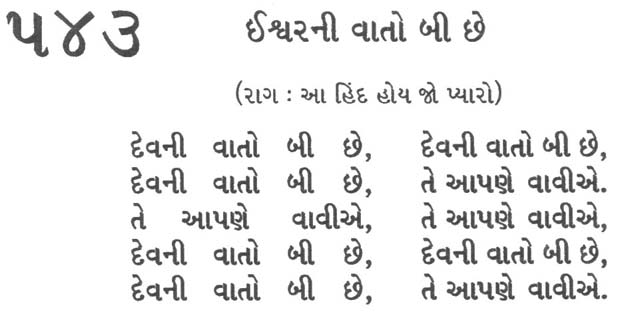
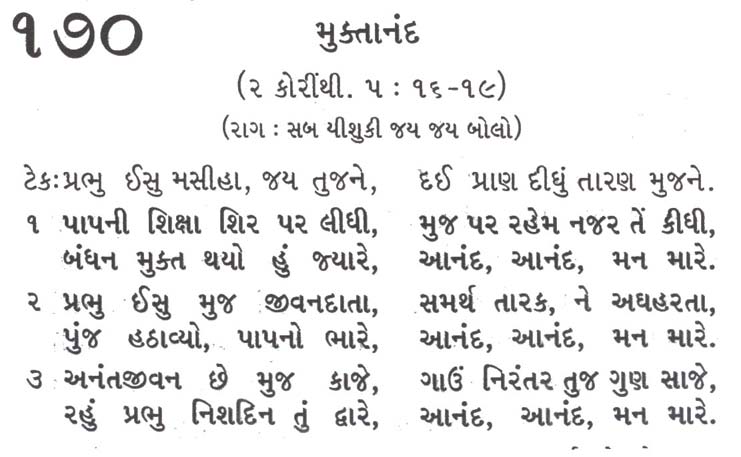
In Orthodox Christian countries like Greece and Russia, Easter Monday is known as “Bright Monday.” Services continue in celebration of the Resurrection, and families gather to feast and sing hymns.
Philippines and Other Catholic Nations
While Easter Monday is not a holiday in the Philippines, it often marks the end of Semana Santa (Holy Week), and is a time of transition back into everyday life, often with a renewed spiritual mindset.
The Role of Easter Monday in the Easter Season
Continuing the Joy of the Resurrection
Easter Monday serves as an extension of the joy and hope proclaimed on Easter Sunday. It’s part of what many liturgical calendars call the “Easter Octave”—eight days of celebration that help believers internalize the reality of Christ’s resurrection.
Transition from Lent to Renewal
After 40 days of Lent and the Holy Week solemnities, Easter Monday acts as a joyful pivot. It bridges the deep spiritual reflection of Good Friday and the triumphant resurrection celebration of Easter Sunday into daily life.


Easter Monday in Contemporary Society
Secular vs. Sacred Observance
Today, Easter Monday blends religious reflection with modern customs. In some countries, it’s a family day off; in others, it still carries strong religious tones. The way it’s celebrated often depends on cultural and societal priorities.
Easter Monday and Mental Health
A growing number of people see Easter Monday as a day of rest, mindfulness, and mental rejuvenation. The pause after major celebrations allows individuals to reset and reconnect.
Popular Activities and Events on Easter Monday
Faith-Based Events
- Sunrise services
- Special sermons
- Scripture readings of post-resurrection appearances
Community and Cultural Activities
- Easter egg hunts
- Parades
- Charity walks
- Outdoor concerts
- Family picnics and reunions
Virtual Celebrations
Post-pandemic, many churches and communities offer online events—sermons, worship sessions, and virtual picnics—making Easter Monday accessible for everyone.

The Impact of Easter Monday on Local Economies
Retail Sales and Community Events
Easter Monday often aligns with seasonal sales and community fairs. Local artisans, farmers’ markets, and food vendors capitalize on foot traffic during the extended holiday.
Boost in Tourism and Hospitality
Many countries see a rise in travel during the Easter weekend. Hotels, restaurants, and tour operators benefit from the long holiday.
How Easter Monday is Celebrated in the Digital Age
Sharing Faith Online
Social media platforms become hubs for sharing Easter Monday reflections, verses, and wishes. Hashtags like #EasterMonday and #HeIsRisen continue trending globally.
Virtual Worship and Community Building
From live-streamed services to virtual family meals, the digital landscape allows global communities to stay connected, even when physically apart.
Online Resources and Tools
Churches now provide downloadable devotionals, Easter Bible games for children, and virtual choir performances for Easter Monday worship and reflection.

FAQs About Why Easter Monday is Important?
What is the purpose of Easter Monday?
Easter Monday serves as a continuation of Easter Sunday celebrations, marking the resurrection of Jesus Christ. It is observed as a day of reflection, rest, and often cultural festivities. For many Christians, it offers time to meditate on the resurrection and to gather with family and community in joyful remembrance.
Is Easter Monday a religious holiday?
Yes, Easter Monday has religious roots, especially in Christian traditions. While the Bible does not mention it specifically, it aligns with post-resurrection appearances of Jesus, such as the road to Emmaus story in Luke 24. In modern times, it blends religious observance with cultural and secular practices.
Why do some countries celebrate Easter Monday and others don’t?
The observance of Easter Monday depends on cultural, historical, and religious influences. Countries with strong Christian traditions or colonial histories rooted in Catholicism or Anglicanism are more likely to recognize Easter Monday as a public holiday. Others may acknowledge it religiously but not officially.
What are the common activities on Easter Monday?
Activities include attending church services, participating in Easter egg hunts, picnicking with family, attending concerts, or taking nature walks. In some places, traditional games and water-based customs like Poland’s Śmigus-Dyngus are observed.
Is there a special scripture reading for Easter Monday?
While not universally assigned, many Christians read Luke 24:13–35 on Easter Monday, which recounts Jesus’ appearance on the road to Emmaus. This passage emphasizes continued faith and spiritual insight after the resurrection.
Key Takeaway:
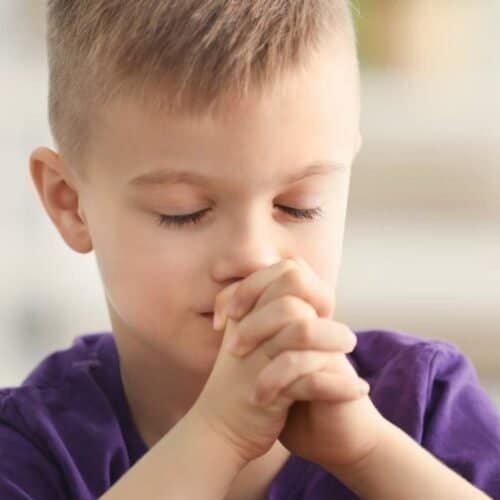
In the morning, Lord, you hear my voice; in the morning I lay my requests before you and wait expectantly. Psalm 5:3
In Conclusion, The Lasting Legacy of Easter Monday Celebrations. Easter Monday is far more than just a public holiday—it is a day enriched with spiritual meaning, cultural vibrance, and global unity.
Across continents and denominations, people gather to reflect, celebrate, and continue living out the message of resurrection and hope. In modern society, its role is evolving but remains significant, offering a rare blend of rest, tradition, and joyful continuation of Easter’s message.
As we observe Easter Monday, we participate in a tradition that connects the sacred past to the digital present and carries forward the hope of renewal for future generations.






No Comments