


14 Jan The Daniel Fast Diet Plan Explained: What to Eat, What to Skip, and How to Stay Full
The Daniel Fast is a biblically-inspired eating plan where you’ll eliminate animal products, processed foods, and sweeteners for 10-21 days while consuming only whole plant foods like vegetables, fruits, legumes, nuts, and whole grains. You’ll need to avoid all animal proteins, refined sugars, caffeine, and additives while focusing on nutrient-dense options such as quinoa, lentils, and fresh produce. Research shows participants experience improved cholesterol levels, blood pressure reduction, and enhanced insulin function. Understanding proper preparation and meal strategies will maximize your success and satisfaction.
Key Takeaways
- The Daniel Fast is a 10-21 day spiritual discipline based on biblical accounts emphasizing plant-based eating for spiritual purposes.
- Eat vegetables, fruits, whole grains, legumes, nuts, seeds, and minimal oils while avoiding all animal products and processed foods.
- Avoid all sweeteners, deep-fried foods, baked goods with leavening agents, refined grains, and items containing chemical additives or preservatives.
- Stay satisfied by prioritizing high-fiber foods like quinoa, lentils, chia seeds, and combining legumes with whole grains for complete proteins.
- Prepare by gradually reducing caffeine and processed foods 3-4 weeks prior, then plan consistent meal timing with nutrient-dense snacks.
What Is the Daniel Fast and Its Biblical Foundation
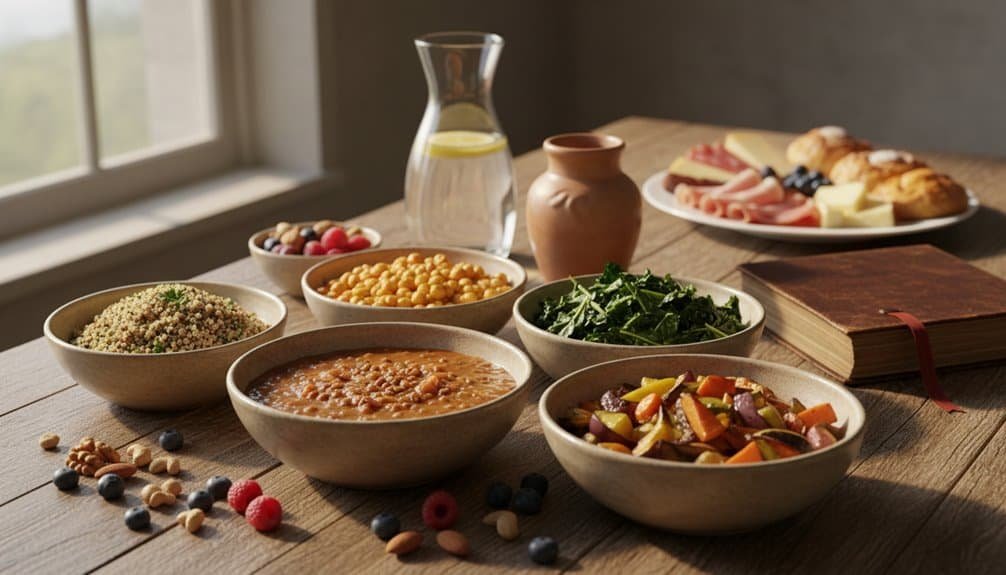
When you examine the Daniel Fast‘s biblical foundation, you’ll discover it originates from two distinct accounts in the Book of Daniel that demonstrate deliberate dietary restrictions for spiritual purposes.
In Daniel 1, the prophet refused the Babylonian king’s royal delicacies and wine, requesting vegetables and water instead to avoid violating Mosaic Law and consuming foods likely dedicated to idols. This ten-day test resulted in superior physical health compared to those consuming the king’s fare.
Daniel 10 presents a three-week mourning period where Daniel abstained from choice foods, meat, wine, and lotions while seeking divine understanding. This partial fast coincided with Passover and involved deliberate humbling before God.
The biblical significance of these accounts establishes fasting as a tool for spiritual clarity and divine connection. The practice involves cleansing the body while simultaneously preparing believers for deeper spiritual growth and more intimate communion with God. Modern spiritual application involves consuming vegetables, avoiding meat, sweets, and alcohol—creating a structured approach that combines nutritional discipline with faith-based practice for enhanced spiritual focus.
Duration and Timeline for the Daniel Fast
Most participants observe 10-21 days, with 21 days being most common. Beginners may start with shorter periods of 1, 3, or 7 days. Some extend beyond 21 days without biblical prohibition, though this practice focuses on spiritual devotion rather than extended weight management.
Timeline considerations include avoiding holidays, vacations, or social events. Prepare 3-4 weeks prior by tapering caffeine, sugar, and processed foods while gradually introducing high-fiber options. Select your start date based on personal spiritual goals and practical scheduling.
Post-fast transition involves resuming normal dietary patterns after completing your chosen duration.
Foods You Can Eat on the Daniel Fast
Building upon the biblical foundation of consuming only plant-based foods, the Daniel Fast centers around five primary food categories that provide comprehensive nutrition while maintaining spiritual discipline.
Vegetables form your primary nutrient foundation, permitted fresh, frozen, dried, juiced, or canned without added sugars. You’ll consume potatoes, leafy greens, tomatoes, and cruciferous varieties using non-fried preparation methods.
Fruits deliver natural sweetness and hydration while supporting micronutrient density. Choose fresh, frozen, dried, or juiced options, ensuring dried varieties contain no added sugars.
Whole grains including quinoa, brown rice, oats, and barley provide complex carbohydrates and fiber for sustained energy.
Legumes and beans supply plant-based protein, supporting balanced macronutrient ratios essential for metabolic function.
Nuts, seeds, and minimal oils contribute healthy fats and additional protein. Given potential nutrient gaps, recommended supplement options include vitamin B12, iron, and omega-3 fatty acids to optimize nutritional adequacy during your fast.
Foods to Avoid During the Daniel Fast
While the Daniel Fast emphasizes abundant plant-based nutrition, you’ll eliminate several food categories that conflict with its biblical principles and nutritional framework. Animal products are completely restricted, including all meat, poultry, fish, dairy, and eggs. You’ll also avoid all sweeteners—whether refined sugar, artificial sweeteners, or natural alternatives like honey and maple syrup.
Processed foods substitutions become essential as you eliminate packaged snacks, deep-fried foods, and items containing artificial additives or preservatives. Baked goods with leavening agents are prohibited, requiring you to seek unleavened alternatives. Refined grains alternatives replace white rice and white flour products with whole grain options.
Beverages require careful consideration—you’ll avoid alcohol, caffeinated drinks, sodas, and non-100% natural juices. Chocolate in all forms is restricted. These eliminations redirect your focus toward whole, unprocessed plant foods that support the fast’s spiritual and nutritional objectives while promoting optimal metabolic function.
How to Prepare for Your Daniel Fast Journey
Successfully embarking on a Daniel Fast requires systematic preparation across spiritual, physical, and practical dimensions to maximize both nutritional compliance and spiritual benefits. Begin spiritual reflection one week prior through prayer and scripture study to establish clear intentions and seek divine guidance. Document your objectives and prayer requests to track spiritual progress throughout the fasting period.
Physical preparation involves gradually reducing caffeine, processed foods, and animal products while increasing water intake and fiber consumption. This systematic approach prevents withdrawal symptoms and supports healthy habit formation. Plan your weekly meals using Daniel Fast-compliant recipes and organize necessary kitchen equipment.
Clear your calendar of social obligations that might compromise adherence. Select a specific start date and document your written commitment regarding food restrictions and fast duration. Beginners should consider shorter fasting periods initially. Establish daily prayer schedules and gather study materials to maintain spiritual focus throughout your journey.
Sample Meal Plans and Recipe Ideas
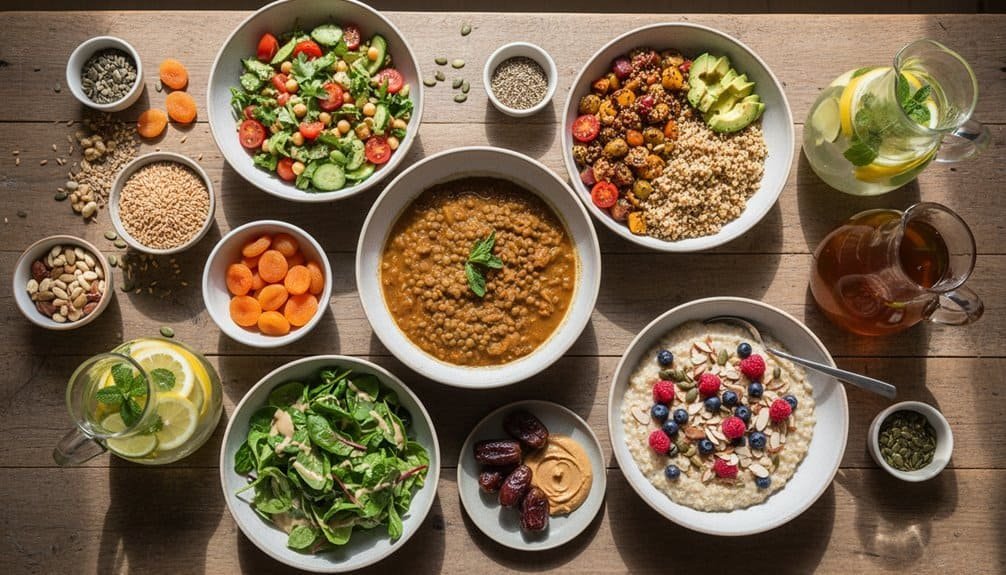
Your 21-day Daniel Fast requires structured meal planning to ensure adequate nutrient intake while adhering to plant-based dietary restrictions.
A systematic framework incorporating breakfast rotation, batch-prepared lunches, and hearty dinner combinations will optimize compliance and nutritional adequacy throughout the fasting period.
Quick recipe solutions using whole grains, legumes, and seasonal vegetables provide practical alternatives when time constraints challenge meal preparation consistency.
21-Day Menu Framework
Several evidence-based meal frameworks can structure your Daniel Fast while ensuring adequate macro and micronutrient distribution throughout the 21-day period. A systematic daily meal structure begins with fiber-rich oatmeal or smoothie breakfasts, progresses to legume-based lunches featuring brown rice bowls or bean salads, and concludes with nutrient-dense dinners like stuffed sweet potatoes or vegetable paella.
The 7-day repeatable framework optimizes balanced meal preparation through bulk cooking strategies, while the 10-day beginner plan rotates five breakfast options with leftover-based lunches. You’ll maintain satiety by incorporating plant proteins, complex carbohydrates, and healthy fats at each meal. This approach prevents nutritional deficiencies while supporting metabolic stability throughout your fasting period.
Quick Recipe Solutions
How can you streamline your Daniel Fast meal preparation while maintaining nutritional adequacy across all food groups? Easy meal prep starts with batch-cooking quinoa, lentils, and roasted vegetables that serve as foundational components across multiple meals. You’ll maximize efficiency by preparing overnight oats, chia seed puddings, and pre-portioned trail mix for grab-and-go options.
Simple ingredient swaps accelerate meal assembly: substitute quinoa for rice in curry dishes, replace dairy with almond butter in smoothies, and use lentils instead of meat in stews. Prep-ahead strategies include washing and chopping raw vegetables, soaking legumes overnight, and portioning nuts and seeds. These time-saving techniques ensure consistent nutrient density while reducing daily preparation burden, supporting adherence to Daniel Fast protocols without compromising your schedule or nutritional requirements.
Strategies for Staying Full and Satisfied
Your success on the Daniel Fast depends on implementing specific nutritional strategies that promote sustained satiety and prevent hunger-related compliance issues.
You’ll need to prioritize high-fiber food choices, establish consistent meal timing patterns, and incorporate adequate protein-rich plant options to maintain stable blood glucose levels and optimize satiation signals.
These evidence-based approaches work synergistically to reduce total kilocalorie intake while supporting adherence to the fast’s dietary restrictions.
High-Fiber Food Choices
Fiber serves as your most powerful ally for maintaining satiety throughout the Daniel Fast, with strategic food choices directly impacting your hunger levels and energy stability. Prioritize legumes like lentils (16g protein, substantial fiber) and garbanzo beans for sustained fullness. Incorporate quinoa delivering 8g fiber per cup, while oats provide significant soluble fiber for prolonged satiation.
You’ll maximize fiber intake through Brussels sprouts, artichokes, and broccoli as vegetable foundations. Chia seeds contain 4.1g fiber per tablespoon, perfect for fiber rich desserts when combined with berries. Almonds offer 3.5g fiber per ounce for high fiber snack ideas, while apples and pears enhance daily intake. Strategic combination of these foods ensures consistent blood sugar regulation and appetite control throughout your fasting period.
Meal Timing Strategy
Since meal timing directly influences satiety hormones and metabolic response, you’ll achieve optimal fullness through strategic scheduling of your Daniel Fast meals and beverages. Strategic repetition through cook-once-eat-twice methodology reduces preparation demands while maintaining nutrient adequacy across lunch and dinner. This leftover approach ensures consistent caloric intake without additional cooking time.
Consistent hydration forms your foundation, emphasizing water as your primary beverage throughout the day. Supplement with homemade almond milk, coconut water, and vegetable juices for enhanced satiety. Integrate nutrient-dense snacks including sliced fruit with almond butter, hummus with vegetables, and chia seed pudding between meals.
The Daniel Fast framework eliminates portion restrictions, allowing individual satiety requirements to guide consumption. Moderate fruit intake to one-three servings daily while emphasizing whole grains and legumes for sustained fullness.
Protein-Rich Plant Options
Plant-based protein powerhouses become your primary satiety drivers during the Daniel Fast, delivering essential amino acids while maintaining sustained energy levels. You’ll achieve daily protein targets by strategically combining legumes, nuts, seeds, and whole grains throughout your meals.
Quinoa and amaranth provide complete proteins containing all nine essential amino acids, while black beans paired with brown rice create complementary amino acid profiles. Lentils deliver 18g protein per cup, supporting muscle maintenance and metabolic function. Incorporate almonds, pumpkin seeds, and chia seeds as protein-dense snacks between meals. These plant based protein sources optimize nitrogen balance and promote satiation through their fiber content. You’ll maintain stable blood glucose levels while meeting nutritional requirements through diverse protein combinations.
Health Benefits and Post-Fast Transition Tips
Multiple clinical studies demonstrate that the Daniel Fast produces measurable health improvements within just 21 days of adherence. You’ll experience significant reductions in total cholesterol, blood pressure, and LDL-cholesterol ratios while improving insulin function and glucoregulatory markers.
The diet decreases C-reactive protein and oxidative stress markers, including plasma malondialdehyde, while enhancing antioxidant capacity measured by Trolox Equivalent Antioxidant Capacity in serum.
For post fast transition guidelines, gradually reintroduce animal proteins and processed foods to prevent digestive discomfort. Start with lean proteins and whole grains before adding dairy products. When dealing with hunger cravings for fatty foods, remember that your 172.2% increase in fiber intake has naturally reset your appetite preferences. The elimination of processed food cravings typically sustains beyond the fast period. Maintain the increased vegetable and legume consumption you’ve established, as these nutrient-dense foods continue supporting cardiovascular health and weight management long-term.
Frequently Asked Questions
Can I Exercise During the Daniel Fast or Should I Reduce Workout Intensity?
You can exercise during the fast, but you’ll likely need to reduce workout intensity due to reduced calorie intake. Moderate exercise like walking is optimal, as study participants maintained routines without adverse effects.
Expect potential weakness initially as your body adapts to dietary restrictions. Avoid starting new intense training programs. Focus on gentle movements, adjust intensity based on how you’re feeling, and consult your doctor if you have health concerns.
What Should I Do if I Accidentally Eat a Forbidden Food Item?
If you accidentally consume a forbidden food item, simply acknowledge the mistake without self-condemnation. Immediately discontinue consumption and rinse your mouth with water to remove residual taste and particles. Forgive yourself, as perfectionism isn’t the goal—spiritual growth is.
Document the incident briefly, then continue the fast with your next planned meal. Resume compliant foods like vegetables, fruits, and whole grains to maintain nutritional balance and metabolic stability.
Is the Daniel Fast Safe for Pregnant or Breastfeeding Women?
You should consult your healthcare provider before starting, as nursing mothers’ dietary needs and fetal development concerns require careful evaluation.
The plan can be safe with modifications – many pregnant women add protein sources like eggs or Greek yogurt. For breastfeeding, the nutrient-rich profile supports lactation, but adequate protein intake from legumes, nuts, and seeds remains essential for maternal-infant health.
Can Children or Teenagers Safely Participate in the Daniel Fast?
Children and teenagers can participate with significant age appropriate adjustments. You shouldn’t implement full restrictions due to higher nutritional requirements for growth and development.
Consider partial modifications like eliminating processed foods while retaining protein sources such as eggs or dairy. You’ll need medical consultation before starting, especially for teens with existing conditions.
Focus on teaching fasting principles rather than complete adherence to prevent potential nutrient deficiencies.
How Do I Handle Social Situations and Dining Out During the Fast?
Review restaurant menus beforehand and communicate dietary restrictions clearly to maintain proper dining etiquette. For social events planning, identify compliant options like salads with oil-free dressings or plant-based entrees featuring vegetables and legumes.
Fast-casual establishments typically offer suitable choices. Inform hosts about your nutritional requirements in advance. Stay hydrated and remain consistent with food selections to support adherence and minimize social pressure from dining companions.
Conclusion
You’ve gained evidence-based strategies for implementing the Daniel Fast’s plant-based protocol effectively. Research demonstrates this dietary pattern can improve metabolic markers, reduce inflammation, and support weight management when properly executed. You’ll maximize nutritional adequacy by emphasizing diverse whole foods, adequate protein combinations, and strategic meal timing. As you transition post-fast, gradually reintroduce foods while maintaining the beneficial dietary patterns you’ve established. Consult your healthcare provider before beginning any restrictive eating protocol.












No Comments